by norhan | May 10, 2026 | Food Grade Salt, Salt
Sustainable food grade salt production is no longer a “niche” topic for environmentalists; it has become the gold standard for the global food industry. At Sama United, we have observed a fundamental shift in the market. Today’s industrial buyers and gourmet chefs are not just looking for purity and price; they are looking for a story of responsibility. They want to know that the salt enhancing their products didn’t come at the cost of the planet’s health.
As experts at Sama United, we believe that the future of salinity lies in harmony with nature. Salt is one of the few minerals that can be harvested using 100% renewable energy—the sun and the wind. However, the journey toward true sustainability involves much more than just the harvest; it encompasses refining, packaging, and global logistics. In this article, we will explore the innovations driving sustainable food grade salt production and how Sama United is positioning itself as a leader in this green revolution.
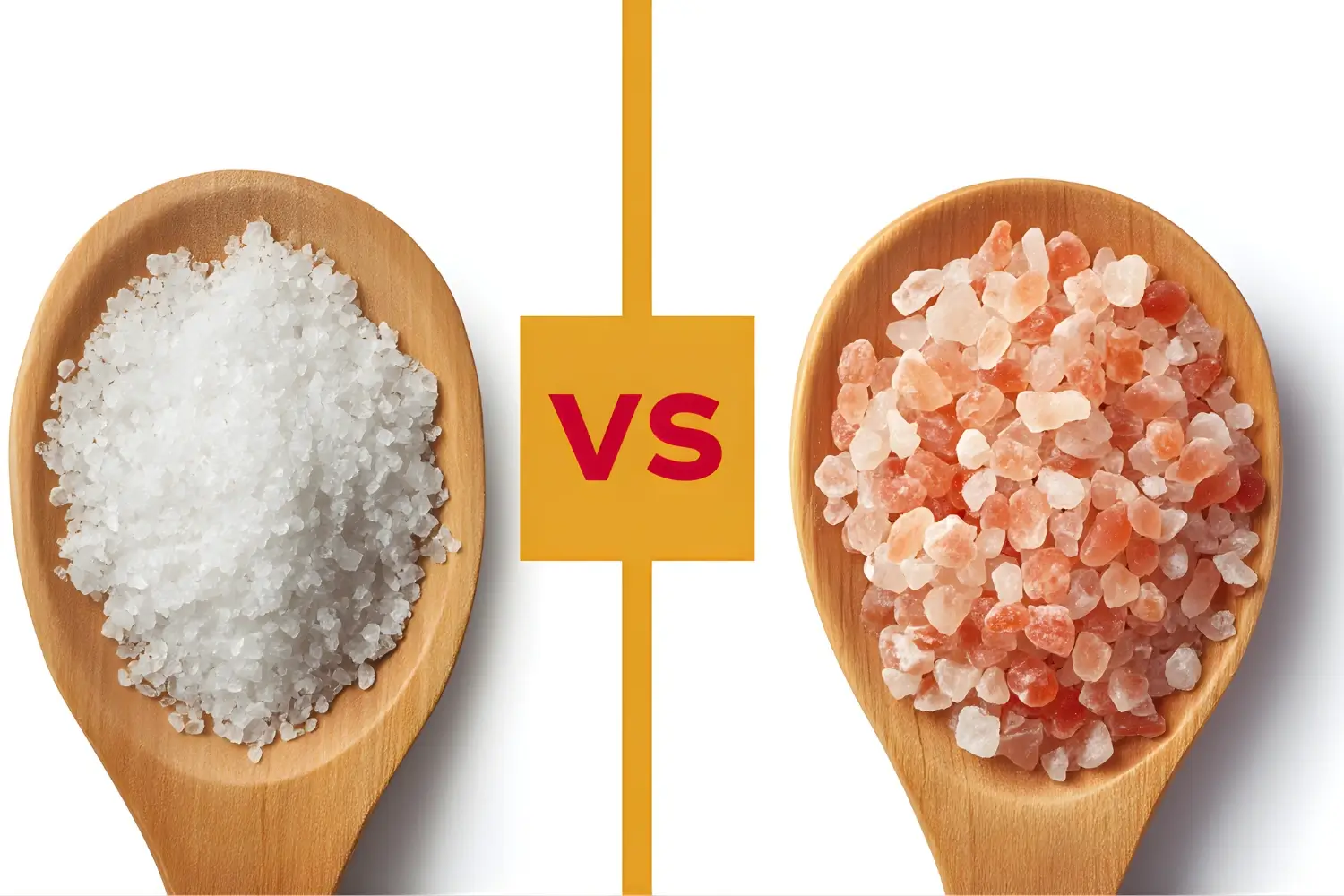
Sustainable Food Grade Salt Production: Shaping the Future of the Global Food Industry
1. Solar Evaporation: The Original Green Technology
When we talk about sustainable food grade salt production, we must start with the sun. Solar evaporation is perhaps the oldest industrial process known to man, yet it remains the most sustainable. By using vast salt pans to let seawater evaporate naturally, we harness the power of the environment without burning a single liter of fossil fuel for the primary harvest.
At Sama United, we prioritize salts sourced from regions where traditional solar methods are enhanced by modern technology. This “low-impact” harvesting protects coastal ecosystems and maintains the natural mineral balance of the sea. Unlike mechanical mining, which can be energy-intensive and disruptive to the earth, solar salt is a “living” product that regenerates with every tide.
2. Energy Efficiency in Vacuum Refining
While solar salt is naturally sustainable, the gourmet and industrial sectors often require “Refined” salt for its high purity. Traditionally, refining salt involved boiling brine, which consumed massive amounts of energy. However, the future of sustainable food grade salt production is found in “Mechanical Vapor Recompression” (MVR) and multi-stage vacuum evaporation.
These modern systems, which we advocate for at Sama United, recycle the heat generated during the evaporation process. By capturing and reusing steam, a modern refinery can reduce its energy consumption by up to 70% compared to traditional methods. This transition to energy-efficient refining is a core pillar of our commitment to a lower carbon footprint for our global clients.
3. The Circular Economy: Upcycling Brine from Desalination
One of the most exciting innovations in sustainable food grade salt production is the concept of “Circular Salinity.” Around the world, desalination plants produce fresh water but leave behind concentrated brine as a waste product. In the past, this brine was pumped back into the ocean, which could harm marine life.
At Sama United, we are closely following the technology that allows this “waste” brine to be captured and processed into high-quality food-grade salt. This turns a potential pollutant into a valuable resource, creating a “closed-loop” system where nothing is wasted. This is the ultimate expression of sustainability—turning an environmental challenge into a culinary solution.
4. Breaking the Plastic Habit: Innovations in Packaging
You cannot have sustainable food grade salt production if the final product is wrapped in non-recyclable plastic. At Sama United, we recognize that packaging is the next frontier of sustainability. The industry is moving away from single-use plastics and toward:
-
Recyclable Polypropylene (PP): Ensuring that our bulk bags can be re-processed into new materials.
-
Biodegradable Liners: Testing plant-based films that protect the salt from moisture but decompose safely after use.
-
Optimized Loading: By designing bags that stack more efficiently, we reduce the number of shipping containers needed, which in turn lowers the CO2 emissions of every ton of salt we export.
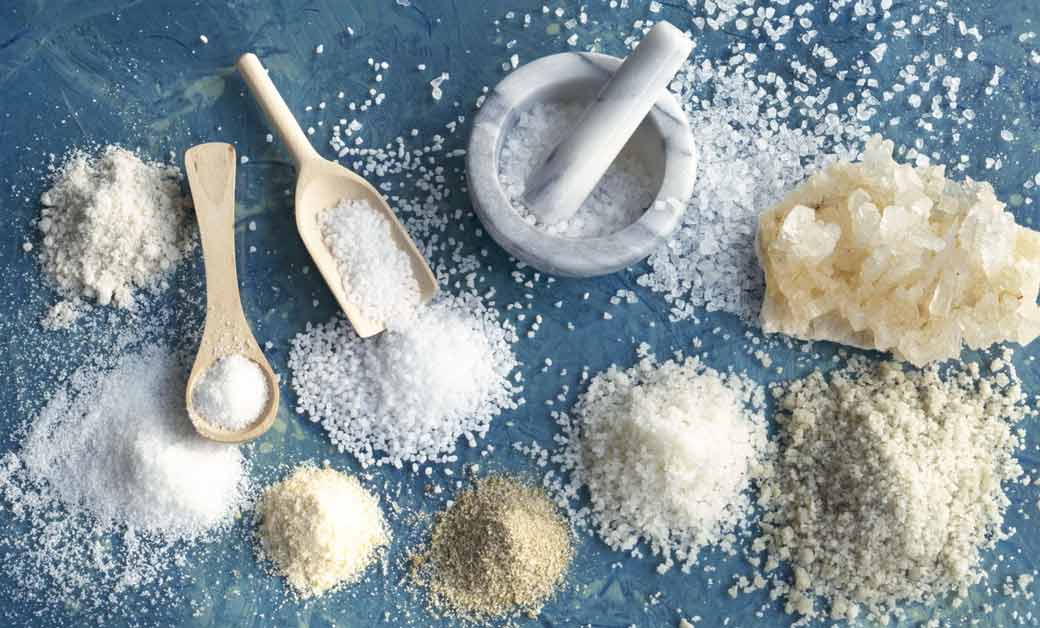
Sustainable Food Grade Salt Production: Shaping the Future of the Global Food Industry
5. Water Management and Conservation
Even though salt comes from water, the refining process requires “fresh” water for washing and brine creation. Sustainable producers are now focusing on water recycling systems. At Sama United, we support facilities that treat and reuse their process water multiple times.
In arid regions, this water conservation is vital. By minimizing the “water footprint” of every kilogram of salt, we ensure that the local communities where the salt is produced are not deprived of this precious resource. Sustainability is as much about people as it is about the planet.
6. Traceability and Ethical Sourcing
A major part of sustainable food grade salt production is “Transparency.” Today’s gourmet consumers want to know the “Mine-to-Table” or “Sea-to-Table” journey. They want to be sure that the workers harvesting the salt are treated fairly and that the supply chain is free from exploitation.
Sama United is committed to ethical sourcing. We work with partners who provide fair wages and safe working conditions. We believe that a “sustainable” product must be ethically sound from its very foundation. We provide our clients with full traceability, ensuring that every batch of salt can be traced back to its specific harvest location and date.
7. Reducing the “Food Miles”: Smart Logistics
Sustainability also involves the miles the salt travels. Salt is heavy, and transporting it across the globe consumes fuel. At Sama United, we optimize our logistics to reduce “Food Miles.”
-
Regional Warehousing: By keeping stock in strategic global hubs, we can use shorter trucking routes for final delivery.
-
Bulk Sea Freight: Shipping in high volumes via sea is significantly more carbon-efficient than air or long-distance road transport.
-
Intermodal Transport: Whenever possible, we use rail systems to move our salt from ports to inland warehouses, as rail is one of the greenest ways to move heavy freight.
8. Why Sama United is Your Partner in Sustainable Food Grade Salt Production
Why should a company choose Sama United for their salt supply? Because we don’t see sustainability as a marketing buzzword; we see it as an operational necessity. We understand that our clients in the gourmet and food manufacturing sectors are under pressure from their own customers to be “greener.”
By partnering with Sama United, you are securing a supply chain that is:
-
Environmentally Conscious: We prioritize low-impact harvesting and energy-efficient refining.
-
Economically Stable: Sustainable processes are often more efficient, leading to better price stability in the long run.
-
Future-Proof: As regulations around carbon footprints and plastic waste become stricter, our sustainable methods ensure you remain compliant and competitive.
9. Case Study: The Gourmet Shift
We recently worked with a high-end bakery chain that wanted to switch to a 100% “Planet-Positive” ingredient list. By providing them with our solar-evaporated sea salt in recyclable bulk packaging, we helped them reduce their “scope 3” emissions and gave them a powerful story to tell their customers. This is how sustainable food grade salt production creates value beyond just the taste of the food.
Sustainable Food Grade Salt Production: Shaping the Future of the Global Food Industry
10. The Road Ahead: Net-Zero Salinity
The ultimate goal for Sama United is “Net-Zero Salinity”—a future where the production and delivery of salt have a neutral or even positive impact on the environment. This involves investing in carbon-offsetting projects, supporting seagrass restoration (which captures carbon in the ocean), and continuing to innovate in renewable energy for salt refining.
Conclusion Sustainable Food Grade Salt Production : Join the Sustainable Journey with Sama United
The future of sustainable food grade salt production is bright, but it requires commitment from both the producer and the buyer. Salt is a gift from the earth and the sea, and at Sama United, we are dedicated to protecting those sources for generations to come.
Choosing the right salt is no longer just about salinity; it’s about integrity. We invite you to join us on this journey. Let Sama United be your guide to a cleaner, greener, and more delicious future.
Are you ready to align your brand with the future of sustainability? Contact Sama United today to learn more about our eco-friendly salt solutions and how we can help you meet your green goals.
by norhan | May 8, 2026 | Food Grade Salt, Salt
Refined salt taste impact is a subject that goes far beyond the simple concept of “saltiness.” In the world of industrial food science and gourmet manufacturing, salt is a precision instrument. At Sama United, we have worked with some of the most demanding food scientists in the industry, and they all agree on one thing: the purity of your salt is the invisible hand that either elevates a product to greatness or hides its potential behind a wall of bitterness.
When we talk about refined salt, we are talking about a product that has been stripped of its raw impurities to achieve a sodium chloride (NaCl) concentration of 99.9%. But why does that extra 0.5% or 1% of purity matter so much? At Sama United, we believe that understanding the refined salt taste impact is the key to creating consistent, high-quality processed foods. In this article, we will explore how the chemical purity of salt interacts with human taste receptors and how it changes the entire sensory experience of everything from artisanal bread to premium snacks.
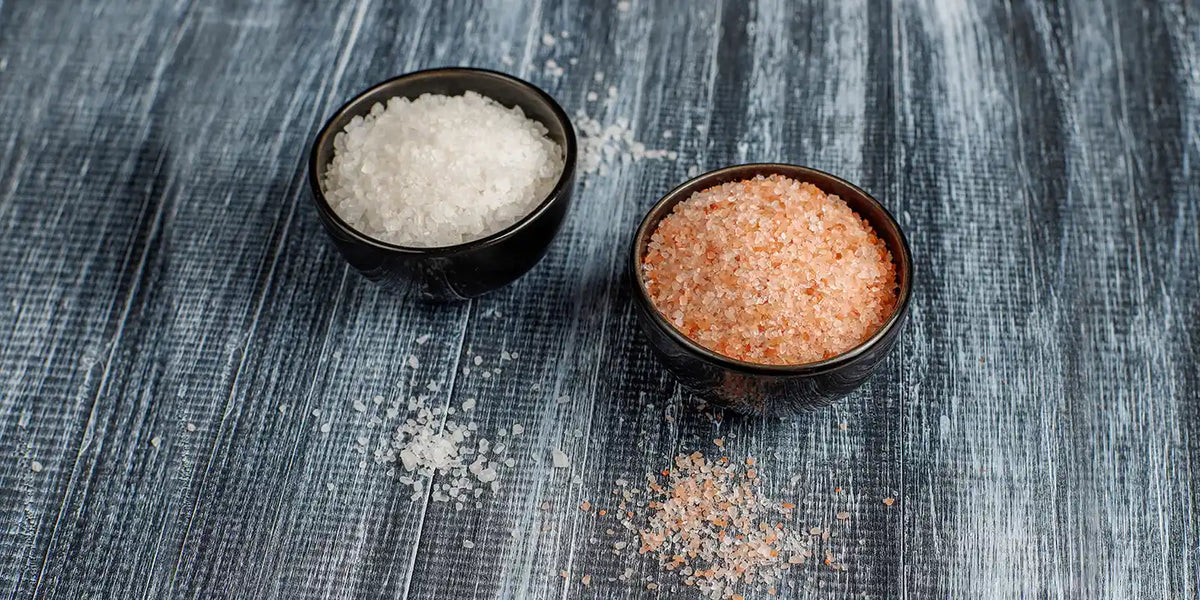
Refined salt taste impact: Why Purity Defines the Flavor Profile of Processed Foods
1. The “Clean” Profile: What Pure Sodium Chloride Really Tastes Like
To understand the refined salt taste impact, we first have to understand what salt should taste like. High-purity salt provides a “clean” salinity. It hits the tongue quickly and disappears just as fast, leaving no lingering aftertaste.
At Sama United, we provide salt that has been refined using advanced vacuum evaporation techniques. This removes the secondary minerals—magnesium, calcium, and potassium—that are naturally found in sea salt or rock salt. While these minerals are healthy in small amounts, they carry distinct flavors:
-
Magnesium: Often tastes bitter or “metallic.”
-
Calcium: Can feel “chalky” on the palate.
-
Potassium: Frequently contributes a sharp, chemical bitterness.
When a food manufacturer uses a salt with these impurities, they are unintentionally adding “noise” to their flavor profile. By choosing Sama United’s high-purity salt, you are choosing a “silent” enhancer that only does what salt is supposed to do: make the food taste more like itself.
2. Flavor Suppression: Masking the Bitterness in Processed Foods
One of the most fascinating aspects of the refined salt taste impact is its ability to act as a biological “filter” for our taste buds. Salt has the unique chemical ability to suppress our perception of bitterness.
In processed foods—especially those containing preservatives, antioxidants, or high levels of cocoa—there is often an underlying bitter note. At Sama United, we explain to our partners that pure refined salt is the most effective tool for “rounding off” these harsh edges. Because our salt is free from its own bitter impurities (like magnesium), it is 100% effective at suppressing the bitterness of other ingredients. This allows the sweetness and the savory “umami” notes of the food to shine through, creating a more balanced and pleasurable eating experience.
3. Enhancing Sweetness: The Science of Salt and Sugar
The gourmet world has fallen in love with the “sweet and salty” combination, but the refined salt taste impact on sweetness is actually rooted in science. In very small concentrations, high-purity salt actually enhances our perception of sugar.
At Sama United, we serve many clients in the confectionery and beverage industries. They have found that using a 99.9% pure salt allows them to use slightly less sugar while maintaining the same level of perceived sweetness. This is because pure sodium chloride triggers certain glucose sensors in the gut and on the tongue. If the salt is impure, the bitter magnesium notes can clash with the sugar, creating a “flat” or “off” taste. Purity is the bridge that connects sweet and savory flavors into a harmonious profile.
4. The Maillard Reaction: Texture and Taste Synergy
In baked goods and roasted snacks, the refined salt taste impact extends to how the food looks and smells. Salt is a key regulator of the Maillard reaction—the chemical reaction between amino acids and reducing sugars that gives bread its golden crust and roasted nuts their deep flavor.
Our experts at Sama United have noted that high-purity salt ensures a more predictable and uniform Maillard reaction. Because it doesn’t contain trace minerals that might catalyze the reaction too quickly or unevenly, the resulting “toasty” flavors are cleaner and more consistent. This synergy between taste (salinity) and aroma (the Maillard reaction) is what creates a truly addictive gourmet product.

Refined salt taste impact: Why Purity Defines the Flavor Profile of Processed Foods
5. Salt Purity and the Mouthfeel of Dairy and Sauces
In the dairy industry—specifically in cheese and butter production—the refined salt taste impact is also about “mouthfeel.” Impure salts can affect the way proteins in milk coagulate and bond.
At Sama United, we supply high-purity salt to cheese makers who demand a product that won’t leave a “metallic” finish on a delicate mozzarella or a creamy brie. Pure salt helps control the moisture level in the cheese without introducing unwanted mineral salts that could make the texture grainy or the flavor unpleasantly sharp.
6. Consistency: The Holy Grail of Food Manufacturing
For a global food brand, the greatest enemy is inconsistency. If a batch of snacks tastes slightly more bitter in January than it did in December, consumers will notice.
This is where the refined salt taste impact becomes a business strategy. Natural, unrefined salts vary in mineral content from harvest to harvest. At Sama United, we provide a standardized, high-purity product. By removing the variables—the “background noise” of trace minerals—we give food manufacturers a “blank canvas.” When your salt is 99.9% pure every single time, you can guarantee that your secret recipe will taste exactly the same, whether it’s produced in London, Dubai, or New York.
7. The Impact of Grain Size on Flavor Perception
While chemical purity is the foundation, the physical form of the salt also influences the refined salt taste impact. At Sama United, we offer different “granulometries” (grain sizes).
-
Fine Grain: Dissolves instantly, providing an immediate salt “hit.”
-
Coarse Grain: Provides a “burst” of flavor when bitten, which is ideal for pretzels or crackers.
-
Flour Salt: So fine it sticks to every crevice of a potato chip, ensuring an even flavor distribution without needing excess sodium.
Our refining process allows us to control the crystal structure, ensuring that the salt doesn’t just taste pure—it performs exactly how you need it to on the tongue.
8. Why Sama United is the Expert Choice for Purity
Why do industry leaders turn to Sama United when they want to optimize their refined salt taste impact? It’s because we don’t treat salt as a commodity; we treat it as a functional ingredient.
Our sourcing and refining processes are designed to meet the strictest “Food Grade” standards in the world. We understand that in a premium processed food product, every ingredient is under the microscope. Our commitment to purity means:
-
No “Off-Notes”: Just pure, clean salinity.
-
High Solubility: It integrates perfectly into liquids and doughs.
-
Safety: Free from microplastics and heavy metal contaminants that can affect both taste and health.
9. Case Study: The Premium Snack Revolution
Recently, a high-end potato chip manufacturer came to Sama United complaining that their “Sea Salt” flavor was tasting inconsistent. After a sensory audit, we discovered that the natural sea salt they were using had high levels of magnesium that turned bitter during the frying process.
We switched them to our high-purity refined salt. The result? The “bitter” complain rate dropped to zero, and the natural potato and oil flavors were amplified. This is a perfect example of the refined salt taste impact in action—sometimes, the best way to improve a flavor is to remove the impurities that are standing in its way.
10. The Future: Clean Labels and Pure Ingredients
As consumers demand “cleaner” labels, they are looking for ingredients they recognize. “Salt” is a universal ingredient, but the quality of that salt matters more than ever. At Sama United, we are helping brands move toward a future where “Pure” is the most important word on the packaging. By utilizing the refined salt taste impact, brands can create healthier, tastier, and more consistent products that win customer loyalty.

Refined salt taste impact: Why Purity Defines the Flavor Profile of Processed Foods
Conclusion: Elevate Your Brand with Sama United
The refined salt taste impact is the difference between a product that is “good enough” and one that is “exceptional.” Salt is the conductor of the flavor orchestra; if the conductor is out of tune (impure), the whole performance suffers.
At Sama United, we are dedicated to providing the purest salt on the market. We understand the chemistry of taste, the science of food processing, and the logistical needs of our global partners. When you choose Sama United, you are choosing a partner that values purity as much as you do. Let us help you unlock the full flavor potential of your products.
Are you ready to experience the impact of true salt purity? Contact Sama United today for a sensory consultation and a quote for your high-purity salt needs.
by norhan | May 6, 2026 | Food Grade Salt, Salt
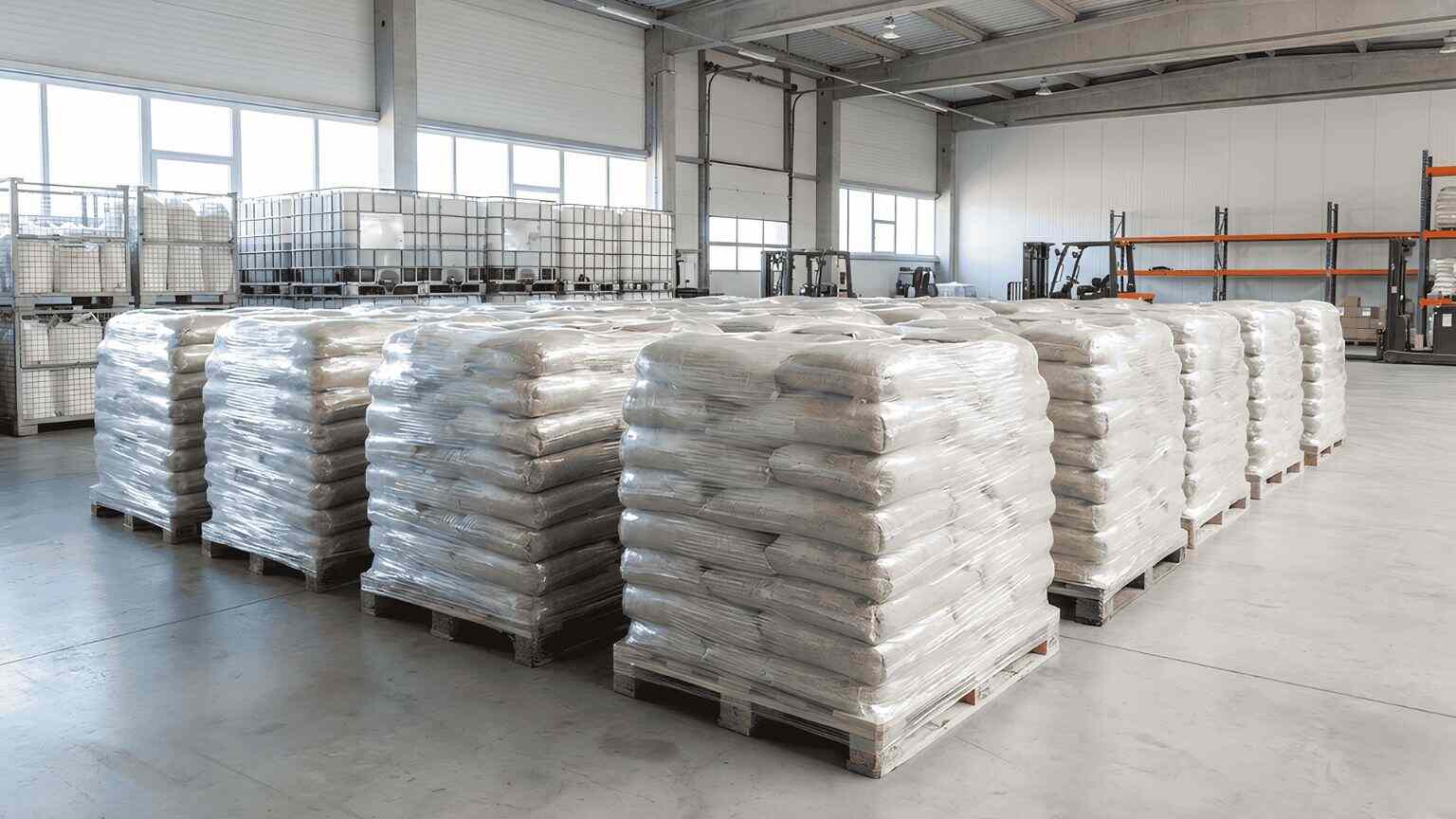
Bulk food grade salt packaging has evolved from a simple logistics necessity into a sophisticated science that determines the success or failure of international trade. At Sama United, we have spent years perfecting the art of salt export, and we’ve learned that the quality of the salt is only as good as the packaging that protects it. In the global marketplace, salt must travel thousands of miles, endure extreme humidity changes, and withstand the mechanical pressures of sea freight.
As experts at Sama United in Bulk Food Grade Salt Packaging , we believe that innovation in packaging is the key to maintaining the “factory-fresh” quality of our salt. Whether you are a large-scale food manufacturer or a gourmet distributor, the way your salt is packaged directly impacts your shelf life, your production efficiency, and your bottom line. In this article, we will explore the cutting-edge innovations in bulk food grade salt packaging and how Sama United is leading the charge in ensuring every grain of salt arrives in pristine condition.
Bulk Food Grade Salt Packaging: Innovations Redefining Global Export Standards
1. The Battle Against Moisture: Advanced Barrier Technologies
The greatest challenge in bulk food grade salt packaging is salt’s natural “thirst” for water. Salt is hygroscopic; it pulls moisture from the air, which leads to “caking”—the formation of hard, unusable blocks.
At Sama United, we have moved beyond standard woven sacks. The latest innovation involves multi-layered barrier technology.
-
High-Density Polyethylene (HDPE) Liners: We use ultra-thick internal liners that are heat-sealed to prevent any air exchange.
-
Vapor Corrosion Inhibitors (VCI): In extreme shipping routes, specialized liners are used that regulate the internal atmosphere of the bag, ensuring that even if the shipping container “sweats,” the salt remains bone-dry.
-
Vacuum Sealing for Bulk: For high-purity refined salt, vacuum-sealing smaller bulk units (like 25kg bags) before placing them in larger crates has proven to extend shelf life by up to 24 months.
2. FIBC (Big Bag) Innovations: Strength Meets Efficiency
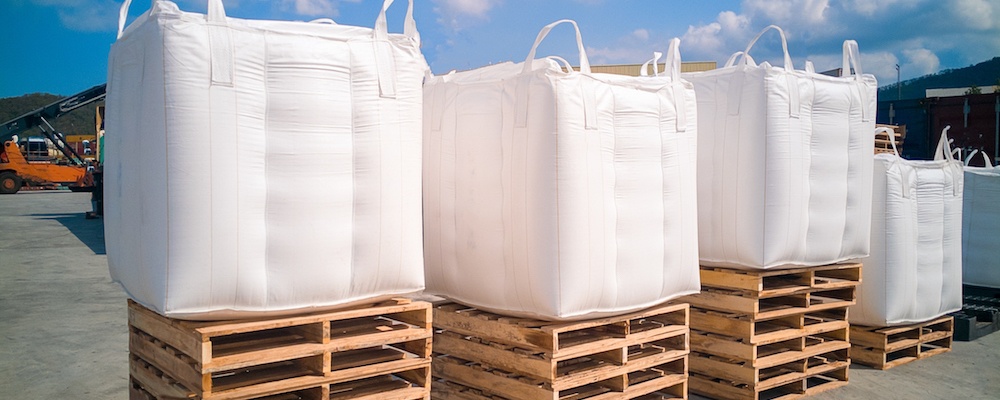
For our large-scale industrial clients, Flexible Intermediate Bulk Containers (FIBCs), often called “Big Bags,” are the industry standard. However, the innovation lies in the structure of these bags.
At Sama United, we utilize “Baffle Bags” (Q-Bags). Unlike traditional big bags that bulge into a circular shape when filled, Baffle Bags have internal fabric stays that maintain a square shape.
-
Space Optimization: These bags occupy 25-30% less space in a shipping container.
-
Stability: Square bags are less likely to tip or lean during sea transit, reducing the risk of mechanical caking caused by uneven pressure.
-
Sifting-Proof Seams: We use specialized dust-proof stitching to ensure that even the finest “flour salt” doesn’t leak out during the vibration of a long-haul journey.
3. The Green Revolution: Sustainable and Recyclable Materials
The global gourmet industry is demanding more than just quality; it is demanding sustainability. At Sama United, we are at the forefront of the shift toward eco-friendly bulk food grade salt packaging.
Innovation in this area includes:
-
Recyclable Polypropylene (PP): We are transitioning to bags made from single-polymer materials that are 100% recyclable, helping our clients meet their “Zero Waste” goals.
-
Biodegradable Internal Liners: New research has allowed us to test plant-based liners that provide the same moisture protection as plastic but break down safely in industrial composting facilities.
-
Reduced Plastic Microns: By using “High-Tenacity” yarns, we can make bags that are thinner and lighter (reducing carbon footprint during transport) without sacrificing any strength.
4. Smart Packaging: Traceability and Digital Integration
In the modern food supply chain, knowing where your salt is and what its condition is has become vital. Bulk food grade salt packaging is now entering the digital age.
Sama United is exploring and implementing “Smart Packaging” features:
-
QR Code Integration: Every bulk bag can be fitted with a unique QR code. With a simple scan, a customer can access the Certificate of Analysis (CoA), the harvest date, and the specific batch number.
-
RFID Tracking: For high-value gourmet salts, Radio Frequency Identification (RFID) tags allow for real-time tracking through the logistics chain, ensuring that the salt is never “lost” in a crowded port.
-
Tamper-Evident Seals: Advanced holographic seals and numbered zip-ties ensure that the purity of the salt hasn’t been compromised from the time it left our facility until it reaches your door.
5. Ergonomic Design for the “Last Mile”
Logistics isn’t just about ships and trucks; it’s about the people who handle the salt in the warehouse. Innovations in bulk food grade salt packaging now focus on the “human element.”
At Sama United, we offer “Easy-Open” features on our 25kg bags that eliminate the need for knives (which can drop plastic fragments into the salt). We also use anti-slip coatings on our bags to ensure that when they are stacked on pallets, they stay locked in place, preventing accidents and product loss in your warehouse.
Bulk Food Grade Salt Packaging: Innovations Redefining Global Export Standards
6. UV Protection for Outdoor Storage
Many of our international clients operate in regions with high solar intensity. Standard plastic bags degrade quickly under UV light, leading to “bag failure” where the fabric literally turns to dust.
Our bulk food grade salt packaging at Sama United includes UV-stabilized additives in the fabric of the bags. This ensures that even if the pallets are stored on a sunny dock for several weeks, the structural integrity of the packaging remains 100% intact.
7. Custom Branding and Retail-Ready Bulk
We understand that for many of our partners, the packaging is a marketing tool. Sama United offers high-definition BOPP (Biaxially Oriented Polypropylene) lamination for our bulk bags. This allows for:
-
Full-Color Graphics: Your brand logo and product information are printed with photographic quality.
-
Anti-Counterfeiting: Complex designs that are difficult for low-quality suppliers to replicate.
-
Retail-Ready Bulk: Salt that can go directly from the shipping container to the wholesale club floor without needing to be re-packaged.
8. The Sama United Commitment: A Holistic Approach
Why does Sama United invest so heavily in packaging innovation? Because we know that the “total cost of ownership” for our clients includes the cost of waste, the cost of labor, and the cost of damaged goods.
When you choose Sama United, you aren’t just buying salt; you are buying a sophisticated delivery system. Our packaging engineers work closely with our production team to ensure that every bag is filled at the right temperature and humidity level. We even calculate the “stacking height” for different salt grain sizes to prevent the bottom bags from becoming compacted.
9. Case Study: Solving the Tropical Humidity Crisis
A few years ago, a client in Southeast Asia was struggling with 40% product loss due to salt caking during the monsoon season. Our team at Sama United stepped in and redesigned their bulk food grade salt packaging. By switching to a 120-micron PE liner and introducing pallet-level stretch-hooding (a waterproof plastic “hood” over the entire pallet), we reduced their product loss to 0%. This is the power of packaging innovation.
10. The Future: Active Packaging
Looking ahead, Sama United is researching “Active Packaging”—materials that can actually absorb residual moisture from the salt itself after it has been bagged. This would represent the ultimate frontier in ensuring that salt remains as free-flowing as the day it was harvested, regardless of the climate it travels through.
Bulk Food Grade Salt Packaging: Innovations Redefining Global Export Standards
Conclusion Bulk Food Grade Salt Packaging : Partnering with the Experts at Sama United
In conclusion , bulk food grade salt packaging is the silent partner in the global food industry. It is what allows a bakery in London to use high-purity salt harvested thousands of miles away without any loss in quality.
At Sama United, we don’t just follow industry trends; we set them. We invite you to experience the difference that professional, innovative packaging can make for your business. Whether you are moving one container or one hundred, our team is dedicated to ensuring that your salt is protected, preserved, and perfected.
Ready to upgrade your salt supply chain? Contact Sama United today to discuss our innovative packaging solutions and find the perfect fit for your export needs.
by norhan | May 4, 2026 | Food Grade Salt, Salt
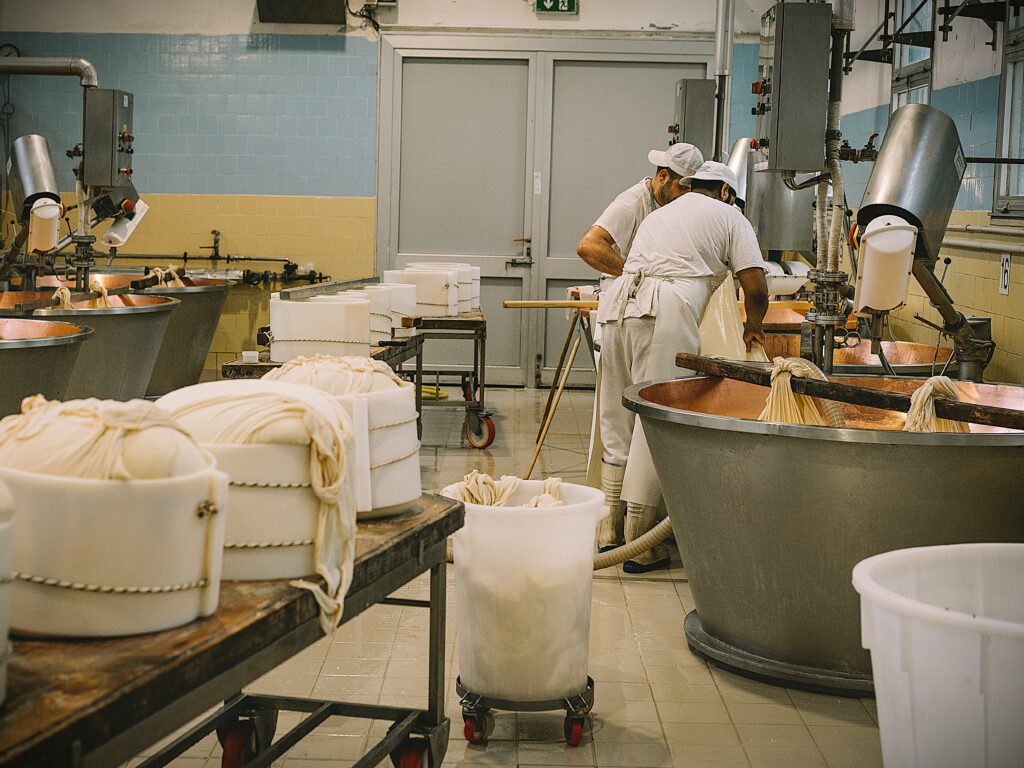
Industrial meat processing salt is far more than just a seasoning; it is the fundamental pillar upon which the entire meat science industry is built. At Sama United, we have partnered with hundreds of meat processors, from artisanal charcuterie makers to large-scale industrial plants, and the message is always the same: you can substitute many ingredients, but you can never replace high-quality salt.
When we talk about industrial meat processing salt, we are referring to a functional tool that manages protein structure, controls microbial growth, and determines the final texture of the product. At Sama United, we take our role as a supplier seriously because we know that the safety and success of your meat products depend on the purity and consistency of the salt we provide. In this comprehensive guide, we will explore why salt is the “silent engine” of the meat industry and how choosing the right grade from Sama United can transform your production line.
Industrial Meat Processing Salt: Why It Is the Most Critical Ingredient in the Industry
1. The Science of Protein Extraction: Creating the “Bind”
In the world of sausage making and deli meat production, the “bind” is everything. Have you ever wondered why a hot dog or a slice of ham has a firm, elastic texture instead of crumbling like ground beef? The answer lies in the use of industrial meat processing salt.
Salt has a unique ability to solubilize “myofibrillar proteins” (specifically myosin). When salt is added to raw meat, it causes these protein fibers to swell and unwind. At Sama United, we explain this to our clients as creating a “protein glue.” Once these proteins are extracted, they form a sticky matrix that binds fat and water together. During the cooking process, this matrix gels, resulting in the firm, juicy “snap” that consumers expect. Without high-purity salt, your sausages would be dry, crumbly, and unappealing.
2. Moisture Retention and “Yield” Optimization
In meat processing, “yield” is the difference between profit and loss. Meat naturally loses water during cooking and storage. However, industrial meat processing salt increases the “Water Binding Capacity” (WBC) of the meat.
By altering the electrical charge of the meat proteins, salt creates more space for water molecules to be held within the muscle structure. At Sama United, we help processors optimize this balance. When meat retains its natural juices (and added brines), the final product is not only more flavorful and tender but also heavier. This increased yield directly impacts the profitability of the manufacturer, making salt the most cost-effective “yield enhancer” available in the food industry.
3. The Ultimate Guardian: Food Safety and Preservation
Long before refrigerators existed, salt was the primary method of meat preservation. Today, even with modern cold chains, industrial meat processing salt remains the first line of defense against spoilage.
Salt works through a process called “osmotic pressure.” It draws water out of microbial cells (like Salmonella or Listeria), effectively dehydrating and killing them or inhibiting their ability to reproduce. At Sama United, we emphasize that using the correct concentration of salt lowers the “Water Activity” (Aw) of the meat. This is critical for shelf-stable products like jerky, pepperoni, and fermented salamis. When you source your salt from Sama United, you are ensuring that your preservation foundation is built on 99% pure sodium chloride, free from impurities that could harbor unwanted bacteria.
4. Flavor Enhancement and the “Salt-Protein” Synergy
While salt’s functional roles are scientific, its culinary role is undeniable. Industrial meat processing salt doesn’t just make meat “salty”; it acts as a flavor potentiator. It suppresses bitterness and enhances the savory “umami” notes of the meat.
Furthermore, in processed meats, salt masks the “off-flavors” that can sometimes arise from minerals in water or other additives. At Sama United, we offer various grain sizes because we know that the rate of dissolution affects flavor perception. A fine-grain salt will integrate quickly into a brine, while a coarser grain might be preferred for certain dry-cured applications.
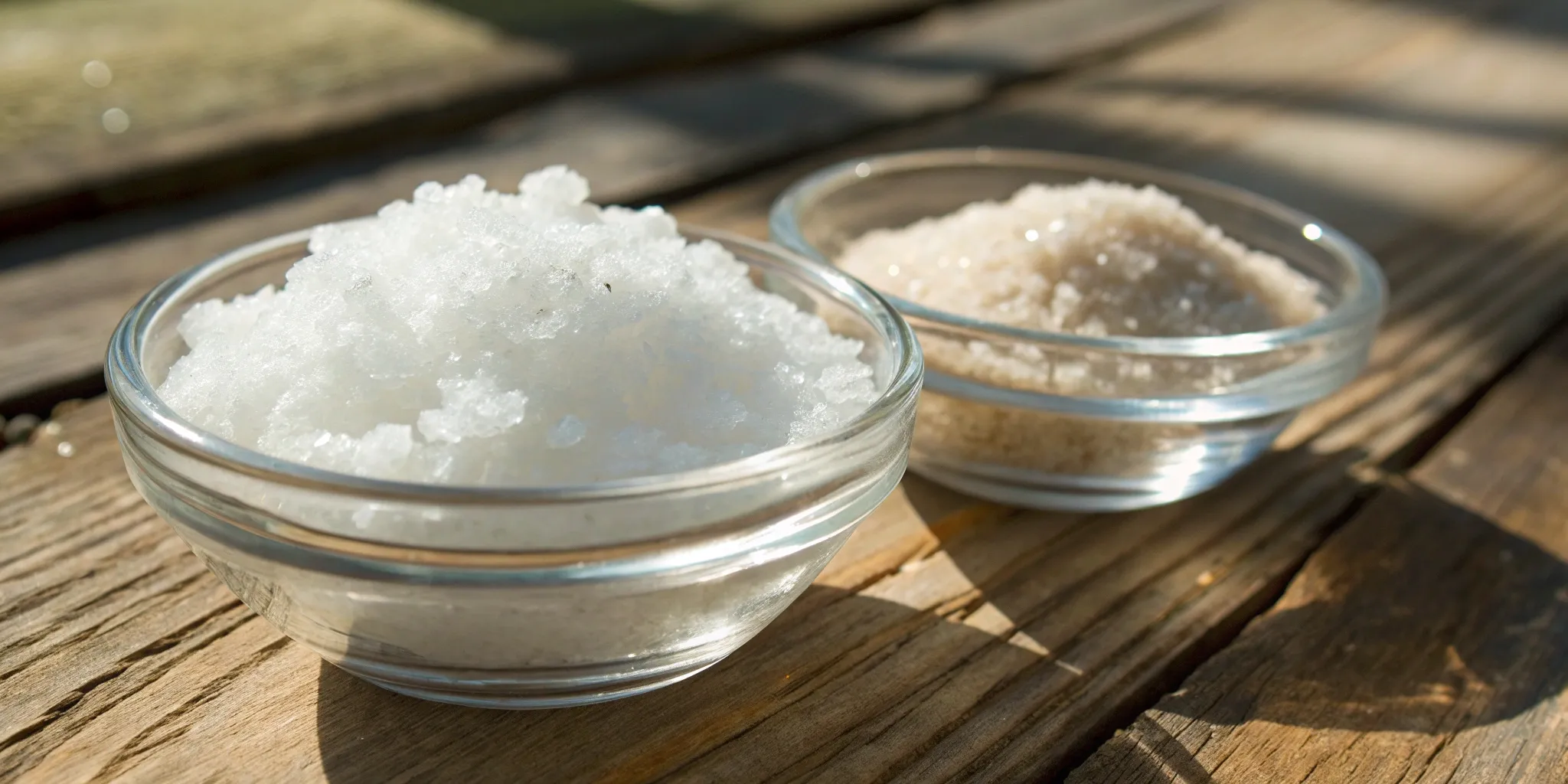
Industrial Meat Processing Salt: Why It Is the Most Critical Ingredient in the Industry
5. Color Development and Antioxidant Properties
The appetizing pink color of cured ham or corned beef is the result of a chemical reaction between nitrites and meat pigments. However, salt is the vehicle that allows this reaction to happen uniformly.
Moreover, high-purity industrial meat processing salt from Sama United helps prevent fat oxidation (rancidity). Impure salts often contain trace amounts of copper or iron, which actually accelerate rancidity and cause meat to turn grey or develop “off” smells. By choosing Sama United’s refined food-grade salt, you are protecting the sensory profile and the visual appeal of your products.
6. The Role of Salt in Fermented Meat Products
For producers of traditional fermented sausages like Salami or Chorizo, salt is the “gatekeeper.” It creates an environment where “good” bacteria (lactic acid bacteria) can thrive while “bad” bacteria are held at bay. This controlled fermentation is what gives these products their characteristic tangy flavor and firm texture.
At Sama United, we understand the delicate balance required in fermentation. Our salt provides the consistent salinity levels needed to ensure that the fermentation starts at the right time and proceeds at the right pace, preventing batch failure and ensuring food safety.
7. Why Purity is Non-Negotiable: The Sama United Difference
Not all salt is created equal, especially for the meat industry. Using low-grade salt in meat processing can lead to disastrous results:
-
Insoluble Matter: Tiny grains of sand or grit can ruin the “mouthfeel” of a premium sausage.
-
Heavy Metals: Even trace amounts of lead or arsenic can lead to regulatory rejection.
-
Mineral Imbalance: High magnesium levels can cause a bitter taste.
At Sama United, our industrial meat processing salt undergoes rigorous multi-stage purification. We provide a product that is consistently white, clean, and ultra-pure. When you see the Sama United name on your supply, you know that the salt will behave exactly the same way in every batch, ensuring that your “secret recipe” remains perfect every time.
8. Managing the Logistics of Bulk Salt for Meat Plants
Meat processing plants operate on tight schedules. A delay in the salt supply can shut down an entire production line. At Sama United, we pride ourselves on our logistical excellence.
We offer industrial meat processing salt in various packaging formats to suit your facility’s needs:
-
25kg Bags: For manual batching and smaller processors.
-
Big Bags (1000kg): For automated brine-mixing systems.
-
Custom Bulk Deliveries: For high-volume industrial plants.
Our global distribution network ensures that your “just-in-time” inventory stays replenished, reducing your warehousing costs while ensuring you never run out of this critical ingredient.
9. The Future: Lowering Sodium without Losing Function
The meat industry is currently facing pressure to reduce sodium levels. However, as we have shown, salt is not just for flavor—it is functional. At Sama United, we work with R&D teams to help them find the “minimal functional level” of salt. By using a higher-purity salt, processors can often achieve the same protein extraction and safety results with slightly less product, helping them meet “healthy label” goals without sacrificing quality.
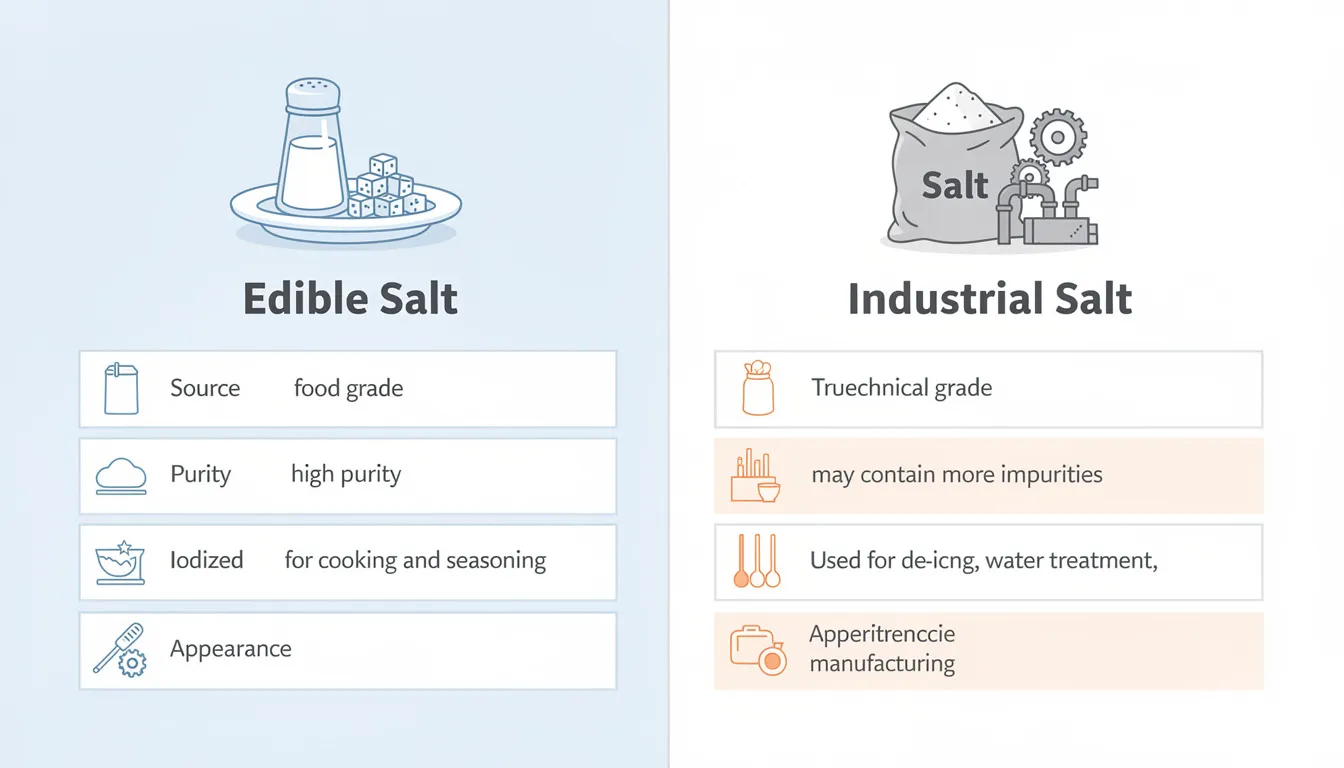
Industrial Meat Processing Salt: Why It Is the Most Critical Ingredient in the Industry
Conclusion Industrial Meat Processing Salt: Partnering for Meat Processing Excellence
In conclusion, while it may be the least expensive ingredient in your formulation, industrial meat processing salt is undoubtedly the most important. It is the scientist, the preservative, and the chef all rolled into one crystal.
At Sama United, we are more than just a salt company; we are a vital part of your production team. We understand the high stakes of the meat industry, and we are committed to providing the consistency, purity, and service you need to stay ahead of the competition. Let us help you elevate your meat products from good to extraordinary.
Ready to secure your supply of premium industrial meat salt? Contact the experts at Sama United today and let’s build a stronger, safer, and more profitable meat processing future together.
by norhan | May 2, 2026 | Food Grade Salt, Salt
International edible salt shipping is a sophisticated operation that requires much more than just moving a heavy commodity from point A to point B. At Sama United, we have coordinated thousands of shipments across different continents, and we know that salt is a unique cargo. It is heavy, it is sensitive to moisture, and it is governed by strict food safety regulations that vary from one country to another.
For businesses looking to import high-quality salt, the logistical journey can be a minefield of hidden costs and delays if not managed correctly. As experts at Sama United, our role is to demystify this process. We believe that a transparent supply chain is a successful one. In this guide, we will walk you through the essential factors involved in navigating the global salt trade, ensuring your product arrives on time, in perfect condition, and within budget.

International Edible Salt Shipping: Navigating the Complexities of Global Logistics
1. Understanding Regulatory Compliance and Food Safety Standards
The first hurdle in international edible salt shipping is not the ocean, but the paperwork. Every country has its own set of “Food Grade” standards. For example, the requirements for iodine levels in the UK might differ significantly from those in the European Union or the Middle East.
At Sama United, we prioritize compliance before the salt even reaches the port. We ensure that every shipment is accompanied by:
-
Certificate of Analysis (CoA): Proving the purity and mineral composition.
-
Phytosanitary Certificates: Often required to ensure the packaging materials (like wooden pallets) are free from pests.
-
Health Certificates: Issued by the relevant authorities in the country of origin.
Failure to have even one of these documents in order can result in the shipment being held at customs, leading to expensive “demurrage” charges.
2. Choosing the Right Incoterms: FOB, CIF, or CFR?
In the world of international edible salt shipping, choosing the right “Incoterm” (International Commercial Terms) is a critical economic decision. At Sama United, we work with our clients to determine the best fit for their internal capabilities.
-
FOB (Free on Board): The buyer takes control once the salt is loaded onto the ship. This is great for large companies with their own dedicated logistics teams.
-
CIF (Cost, Insurance, and Freight): We at Sama United handle the shipping and insurance until the cargo reaches your destination port. This is often the preferred choice for gourmet brands and medium-sized manufacturers who want a “hassle-free” experience.
Our logistics experts provide guidance on which term will minimize your risk and maximize your capital efficiency.
3. Packaging Strategies for Long-Haul Sea Freight
Salt’s greatest enemy during international edible salt shipping is humidity. The ocean is a high-moisture environment, and salt is hygroscopic (it attracts water). If the packaging is insufficient, the salt can “cake” into a solid block, making it impossible to use in automated food production lines.
To combat this, Sama United utilizes advanced packaging solutions:
-
Moisture-Proof Liners: We use high-density polyethylene (HDPE) liners inside our 25kg bags and Big Bags (FIBCs).
-
Container Desiccants: In certain routes, we add moisture-absorbing poles or bags inside the shipping container to maintain a dry atmosphere.
-
Pallet Wrapping: Every pallet is shrink-wrapped securely to prevent shifting during transit and to provide an extra layer of protection against the elements.
4. Freight Consolidation and Container Optimization
Salt is a high-density, high-weight product. This means that a shipping container will usually reach its weight limit before it reaches its volume limit. Efficient international edible salt shipping requires “maximizing the payload.”
At Sama United, we are experts in container loading patterns. We ensure that every 20-foot container (the standard for salt) is loaded to its maximum safe capacity (usually 25 to 27 tons, depending on port regulations). This reduces the “per-ton” shipping cost, allowing us to pass those savings directly to our customers. We also advise on the best ports of entry to avoid congested hubs where delays are common.

International Edible Salt Shipping: Navigating the Complexities of Global Logistics
5. Managing the “Last Mile”: From Port to Warehouse
The journey of international edible salt shipping doesn’t end when the ship docks. The “Last Mile”—the truck journey from the port to your facility—is often where the most logistical friction occurs.
Sama United works with a network of trusted haulage partners who understand how to handle heavy food-grade loads. We coordinate the “Terminal Handling Charges” (THC) and ensure that the delivery appointments at your warehouse are timed perfectly to avoid truck waiting fees. Our goal is a seamless flow from the salt works to your production floor.
6. Risk Mitigation and Marine Insurance
Even with the best planning, the ocean can be unpredictable. Part of professional international edible salt shipping is preparing for the unexpected. At Sama United, we always recommend comprehensive marine insurance. Whether it’s a “General Average” event or minor transit damage, having the right insurance coverage ensures that your capital is protected. We handle the insurance documentation as part of our CIF services, giving our partners complete peace of mind.
7. Real-Time Tracking and Communication
In the modern world, information is just as important as the physical product. When you engage in international edible salt shipping with Sama United, you aren’t left wondering where your cargo is. We provide real-time tracking updates and regular communication. Our logistics team is always available to answer questions about ETA (Estimated Time of Arrival) or to help solve any customs-related inquiries that may arise during the process.
8. The Sustainability of Global Salt Logistics
At Sama United, we are committed to reducing the environmental impact of international edible salt shipping. We prioritize shipping lines that use newer, more fuel-efficient vessels. We also look for opportunities to use “Intermodal” transport—combining rail and sea—which can be more carbon-efficient than long-distance trucking. By optimizing our logistics, we aren’t just saving money; we are being responsible stewards of the environment.
Why Partner with Sama United for Your Salt Logistics?
The complexities of global trade can be overwhelming, but they don’t have to be. By choosing Sama United, you are partnering with a company that lives and breathes salt logistics. We handle the complexity so that you can focus on your core business.
Our deep understanding of international edible salt shipping means we can anticipate problems before they happen. We know which seasons bring the most humidity, which ports have the fastest clearance times, and which shipping lines are the most reliable. This “insider knowledge” is what sets Sama United apart as a leader in the industry.
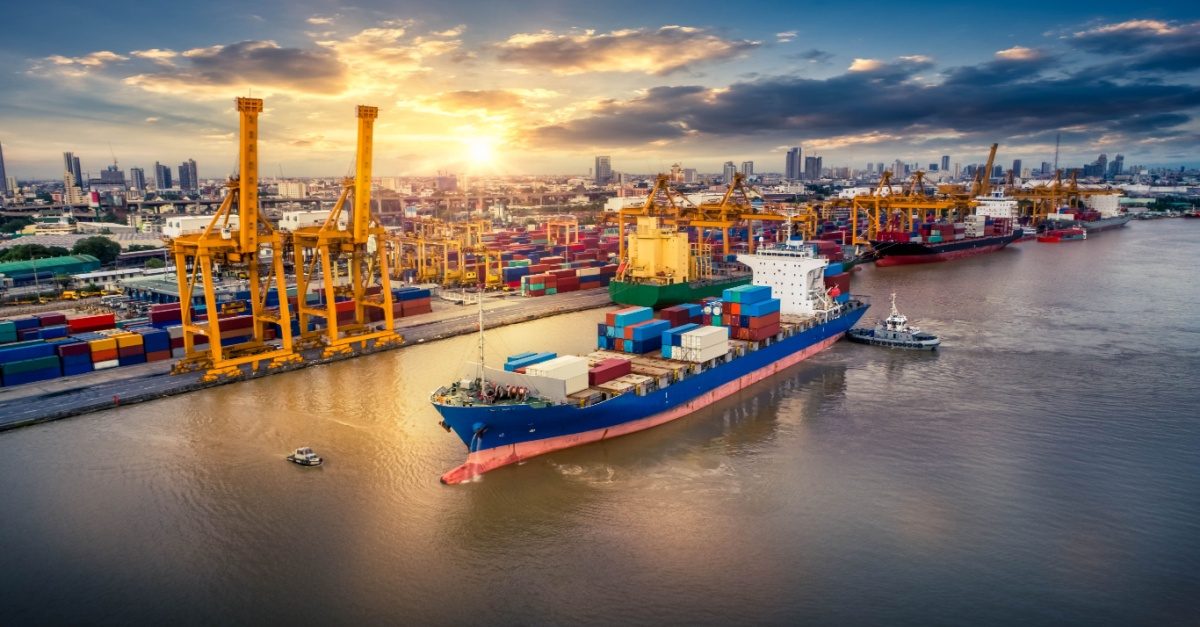
International Edible Salt Shipping: Navigating the Complexities of Global Logistics
Conclusion: Seamless Salt Sourcing with Sama United
International edible salt shipping is the bridge between the high-quality salt we produce and the world-class food products you create. Navigating this bridge requires experience, attention to detail, and a commitment to excellence.
At Sama United, we take pride in being more than just a salt supplier; we are your global logistics partner. We invite you to experience a new level of service where your shipments arrive on time, every time, and in the pristine condition your brand demands.
Are you ready to streamline your international salt imports? Contact the logistics experts at Sama United today and let us handle the world for you.
by norhan | Apr 30, 2026 | Food Grade Salt, Salt
Direct food grade salt sourcing is rapidly becoming the strategic standard for successful businesses in the food processing, baking, and gourmet industries. At Sama United, we have observed a significant shift in how global companies manage their ingredient procurement. In an era of fluctuating market prices and supply chain uncertainties, the traditional model of relying on multiple layers of distributors is being replaced by a more streamlined, “direct-from-the-source” approach.
As experts at Sama United, we understand that salt is a fundamental high-volume ingredient. Even a small saving per kilogram can translate into thousands of dollars in annual profit. But the economic advantages of direct food grade salt sourcing go far beyond the initial purchase price. It’s about efficiency, quality assurance, and long-term business stability. Let’s explore why the smartest move for your bottom line is to partner directly with a manufacturer like Sama United.

Direct Food Grade Salt Sourcing: The Economic Advantages of Buying from Manufacturers
1. Eliminating the “Middleman Tax”
The most immediate benefit of direct food grade salt sourcing is the elimination of unnecessary markups. When you buy from a local distributor or a third-party wholesaler, you aren’t just paying for the salt. You are paying for their warehouse rent, their sales team’s commissions, and their profit margins.
By working with Sama United, you bypass these extra layers. Buying directly from the source allows you to access “factory-gate” pricing. For large-scale operations, this can reduce procurement costs by 15% to 30%. In the highly competitive food industry, these savings can be reinvested into product innovation or used to offer more competitive pricing to your own customers.
2. Price Stability in a Volatile Market
Inflation and fluctuating shipping costs have made budget forecasting a nightmare for many procurement officers. However, direct food grade salt sourcing provides a level of price protection that intermediaries simply cannot offer.
At Sama United, we provide our direct partners with the opportunity to secure long-term contracts. When you have a direct relationship with the manufacturer, you can “lock in” prices for six months or a year. Distributors rarely offer this because they are at the mercy of their own suppliers’ price hikes. Direct sourcing gives you a predictable budget, which is essential for maintaining healthy profit margins.
3. Unmatched Quality Control and Traceability
In the gourmet and food manufacturing sectors, a single “bad batch” of salt can ruin a brand’s reputation and lead to expensive product recalls. One of the hidden economic advantages of direct food grade salt sourcing is the reduction of risk.
When you buy through multiple distributors, the salt might have been stored in several different warehouses, increasing the risk of contamination or moisture damage. When you partner with Sama United:
-
Direct Traceability: You know exactly which harvest your salt came from.
-
Freshness: The salt hasn’t been sitting in a middleman’s warehouse for months.
-
Certifications: You receive the Certificate of Analysis (CoA) directly from our labs, ensuring the purity and mineral content meet your exact specifications.
4. Customization: Getting Exactly What You Need
Distributors usually carry a “one-size-fits-all” inventory. They stock the most common grain sizes and packaging types because they need to sell to a wide variety of customers. This often forces bakers or food processors to compromise on their requirements.
Direct food grade salt sourcing through Sama United opens the door to customization. Do you need a specific micron size for a snack coating? Do you require specialized 1,000kg “Big Bags” instead of 25kg sacks to fit your automated machinery? Because we are the source, we can tailor the product and the packaging to fit your production line perfectly. This reduces labor costs and minimizes product waste during the manufacturing process.

Direct Food Grade Salt Sourcing: The Economic Advantages of Buying from Manufacturers
5. Logistical Efficiency and Reduced Lead Times
Every day your production line sits idle waiting for an ingredient is a day of lost revenue. Middlemen add complexity to the logistics chain; if a distributor runs out of stock, you have to wait for them to order from the manufacturer, receive it, and then ship it to you.
At Sama United, we streamline this entire process. We have an expert logistics team dedicated to international shipping and customs clearance. Direct food grade salt sourcing means fewer stops, fewer hands touching your cargo, and faster delivery times. We coordinate the shipping directly from our facilities to your warehouse, providing real-time updates and ensuring that your inventory levels remain optimal.
6. Technical Support and Industry Expertise
When you buy from a general wholesaler, they can tell you the price, but they can rarely give you technical advice on how the salt will interact with your specific food chemistry.
At Sama United, we view our clients as partners. Our team includes experts who understand the science of salinity. Whether you are dealing with dough elasticity issues or looking for a salt that won’t melt too quickly on a frozen pretzel, we provide the technical support that a middleman cannot. This expert guidance helps you avoid costly “trial and error” in your product development.
7. Building a Resilient Supply Chain
The global supply chain disruptions of recent years have taught us that “distance” from the source is a weakness. The more links there are in your supply chain, the more chances there are for it to break.
By establishing a direct food grade salt sourcing relationship with Sama United, you are shortening your supply chain. This resilience is an economic advantage in itself. Knowing that your primary ingredient is secured directly with the producer gives your business a competitive edge and peace of mind during global market shifts.
Direct Food Grade Salt Sourcing: The Economic Advantages of Buying from Manufacturers
How Sama United Empowers Your Business
Our mission at Sama United is to make high-quality salt accessible to the global market with maximum efficiency. We have invested heavily in our production facilities and our global distribution network to ensure that we can meet the demands of any business, from boutique gourmet brands to industrial-scale food factories.
We don’t just sell salt; we provide a comprehensive sourcing solution. From the initial consultation where we determine your ideal salt grade to the final delivery at your facility, Sama United is committed to transparency and excellence.
Conclusion: The Bottom Line on Direct Sourcing
The choice is clear: continuing to buy through traditional distribution channels means leaving money on the table and taking unnecessary risks with your quality and supply. Direct food grade salt sourcing is an investment in the future of your company. It offers lower costs, higher quality, better customization, and a more stable partnership.
At Sama United, we are ready to help you transition to a smarter, more profitable procurement model. Let us show you how our expertise can transform your ingredient sourcing from a simple transaction into a powerful economic advantage.
Is your business ready to cut costs and improve quality? Contact the team at Sama United today for a personalized quote and discover the benefits of direct sourcing.