by norhan | Apr 29, 2026 | Food Grade Salt, Salt
Refined salt production is a sophisticated industrial journey that transforms raw minerals from the earth and sea into the pure, white crystals we see on our dinner tables and in our food products. At Sama United, we believe that understanding this process is essential for our clients in the gourmet and food manufacturing sectors. Salt is not just a commodity; it is a vital ingredient that requires precision, hygiene, and technological expertise to ensure it is safe and effective for human consumption.
As experts at Sama United, we often get asked: “What actually happens to salt before it reaches the consumer?” The answer lies in a series of purification steps designed to remove impurities and create a product with a sodium chloride (NaCl) purity of often more than 99%. Let’s walk through the fascinating stages of modern salt refining.
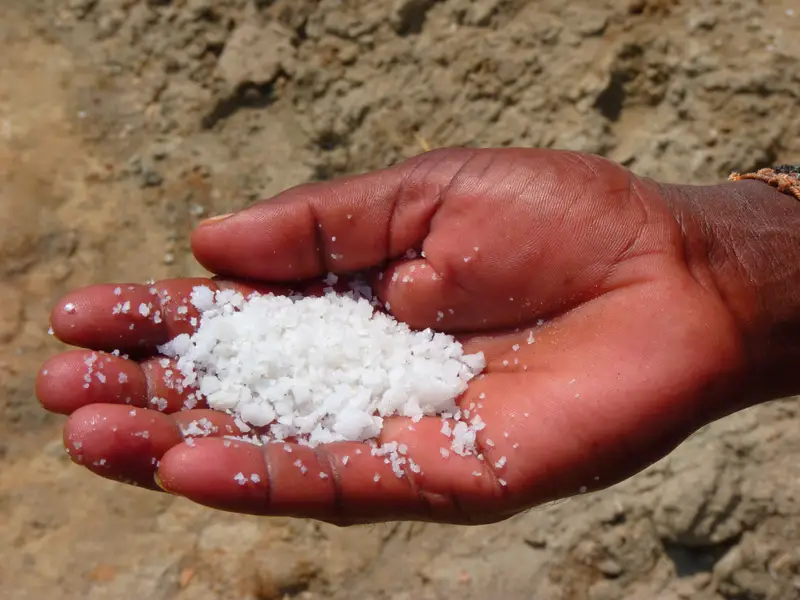
Refined Salt Production: How It Is Processed for Human Consumption
The Raw Beginnings: Sourcing the Material
Before the refined salt production process even begins, we must look at where the salt comes from. There are two primary sources:
-
Sea Salt: Harvested from the evaporation of seawater in large ponds.
-
Rock Salt (Halite): Mined from ancient underground salt deposits.
While sea salt and rock salt are excellent in their raw forms, they contain various minerals, clay, and organic matter that must be removed for specific industrial and culinary applications. At Sama United, we source the highest quality raw materials to ensure that the final refined product meets international food safety standards.
Step 1: The Brine Purification Stage
The first major step in refined salt production is creating a “brine” (a highly concentrated salt-water solution). Raw salt is dissolved in water, and this is where the cleaning begins.
At this stage, chemical treatments are added to the brine to precipitate out impurities like magnesium and calcium salts. These minerals, if left in the salt, can cause a bitter taste or affect the texture of food. At Sama United, we ensure that our refining partners use precise measurements to guarantee that the brine is as pure as possible before it moves to the next stage.
Step 2: Vacuum Evaporation – The Heart of Refining
In the past, salt was refined by boiling water in open pans, which was slow and inefficient. Today, the refined salt production process uses a technology called “Multiple-Effect Vacuum Evaporation.”
This is how it works in simple terms:
-
The purified brine is placed in large, sealed vessels.
-
The air pressure inside these vessels is reduced (creating a vacuum).
-
Because the pressure is lower, the brine boils at a much lower temperature.
-
This saves energy and allows for the growth of very uniform, cubic salt crystals.
At Sama United, we favor this method because it produces a consistent grain size, which is critical for food manufacturers who need the salt to dissolve at a specific rate.
Step 3: Centrifuging and Drying
Once the crystals have formed in the vacuum evaporators, they are pulled out as a slurry (a mix of salt and a little water). This slurry is sent to a centrifuge—a machine that spins at high speeds to sling the water away from the salt, much like the spin cycle on a washing machine.
However, the salt is still slightly damp. In the next stage of refined salt production, the salt enters a “fluidized bed dryer.” Hot, filtered air is blown through the salt, lifting the crystals so they behave like a liquid. This ensures that every single grain is perfectly dry and free-flowing.
Step 4: The Addition of Essential Nutrients (Iodization)
One of the most important aspects of processing salt for human consumption is public health. During the refined salt production process, a small amount of potassium iodate is often added.
Iodine is a crucial nutrient for thyroid health, and salt is the world’s most effective vehicle for ensuring populations get enough of it. At Sama United, we provide both iodized and non-iodized options to our clients, depending on their specific market requirements and local health regulations.

Refined Salt Production: How It Is Processed for Human Consumption
Step 5: Anti-Caking Agents for a Smooth Pour
Have you ever wondered why refined salt doesn’t turn into a hard brick in your salt shaker? This is thanks to anti-caking agents. During the final stages of refined salt production, food-grade additives like potassium ferrocyanide (don’t worry, it’s perfectly safe and highly regulated!) are added in tiny amounts—just a few parts per million.
These agents prevent the crystals from bonding together when they are exposed to a little bit of humidity. At Sama United, we ensure that all additives used in our products are fully compliant with global food safety authorities, including the FDA and EFSA.
Quality Control: The Sama United Standard
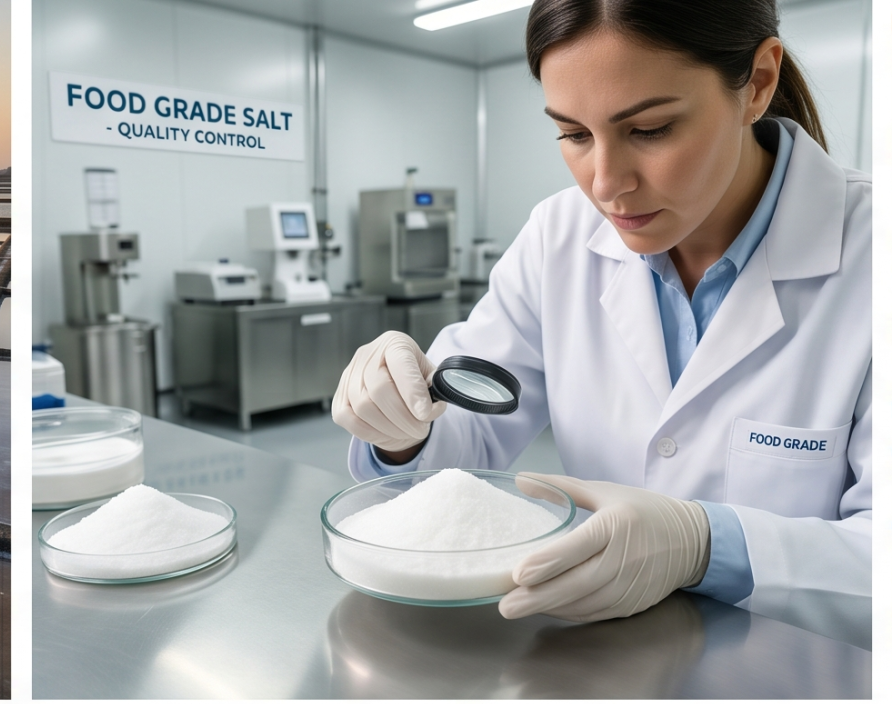
For us at Sama United, quality control is the most vital part of the refined salt production cycle. We don’t just trust the machines; we trust the data. Every batch of salt is tested for:
-
Purity Levels: Ensuring NaCl levels are at their peak.
-
Granulometry: Checking that the grain size is consistent.
-
Whiteness: Making sure the salt has that brilliant, clean look.
-
Moisture Content: Ensuring it is below the required threshold for long-term storage.
When a client buys from Sama United, they are buying the peace of mind that comes with rigorous testing and a transparent supply chain.
Why Refined Salt is Essential for Food Manufacturers
While “unrefined” salts are popular in gourmet kitchens, refined salt production is the backbone of the global food industry for several reasons:
-
Predictability: In a factory setting, you need to know exactly how salty a batch will be. Refined salt offers 100% consistency.
-
Solubility: Because the crystals are uniform and pure, they dissolve quickly and evenly in soups, sauces, and doughs.
-
Safety: The high-heat evaporation process ensures that the salt is microbiologically pure, which is essential for shelf-stable food products.
The Environmental Side of Salt Refining
At Sama United, we are conscious of the environmental impact of industrial processes. Modern refined salt production has become significantly more sustainable over the years. By using vacuum technology, refineries use much less energy than they did fifty years ago. Furthermore, the water used to create brine is often recycled within a closed-loop system, minimizing waste.
Refined vs. Unrefined: Making the Right Choice
You might ask, “Is refined salt better than sea salt?” The answer depends on your goal. If you want a rustic, crunchy finish on a steak, an unrefined sea salt from our gourmet range at Sama United is perfect. However, if you are baking bread, canning vegetables, or manufacturing snacks, the purity and reliability of refined salt production are unbeatable.
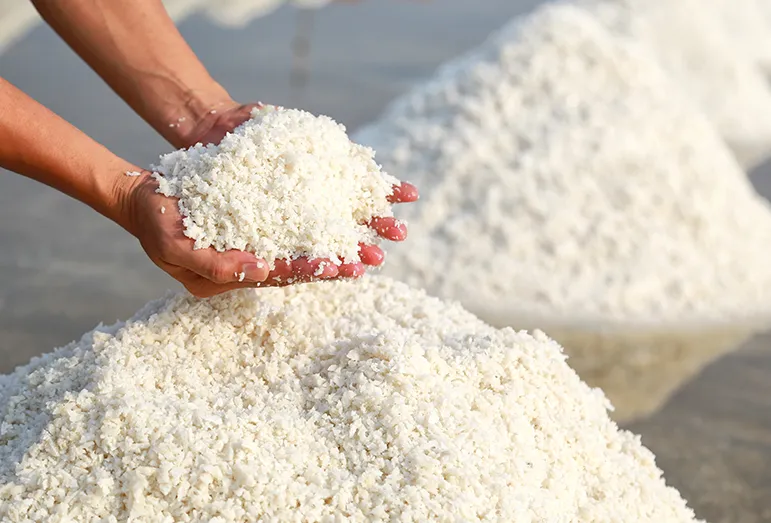
Refined Salt Production: How It Is Processed for Human Consumption
Conclusion: Partnering with Sama United for Excellence
The journey of refined salt production is a testament to human ingenuity. It takes a simple mineral and turns it into a high-precision tool for the culinary and industrial worlds. At Sama United, we take great pride in our role in this supply chain. We understand the science, the logistics, and the passion that goes into every grain.
By choosing Sama United as your supplier, you are choosing a partner that values quality above all else. Whether you need bulk shipments for a large-scale bakery or specialized salt for food processing, we have the expertise to deliver the perfect product to your doorstep.
Are you looking for a reliable source of high-quality refined salt? Contact Sama United today and let our experts help you find the perfect solution for your business needs.
by norhan | Apr 27, 2026 | Food Grade Salt, Salt
Food grade salt storage might seem like a straightforward task—after all, salt is a mineral that has been used as a preservative for thousands of years. However, when dealing with industrial quantities, the stakes are much higher. At Sama United, we don’t just deliver premium salt; we partner with our clients to ensure that every ton of salt they purchase maintains its purity, texture, and chemical integrity until the moment it is used in production.
Improper storage of large-scale salt supplies can lead to clumping (caking), contamination, and physical waste, all of which directly affect a company’s bottom line. In this guide, our experts at Sama United will break down the essential factors you must consider to master the art of salt preservation at scale.
Food Grade Salt Storage: Essential Factors for Large-Scale Industry Success
Understanding the Nature of Salt: The Science of Moisture
The most critical factor in food grade salt storage is managing humidity. Salt is naturally hygroscopic, meaning it has an inherent “thirst” for moisture in the air. When the relative humidity exceeds 75%, salt begins to absorb water. When the humidity drops again, that water evaporates, leaving behind “salt bridges” that fuse the grains together into hard, unusable blocks.
At Sama United, we advise our large-scale partners to maintain a climate-controlled environment where possible. If that’s not an option, the focus must shift to protective barriers and airflow management to prevent this “caking” process from ruining an entire shipment.
1. The Importance of Flooring and Pallet Management
One of the most common mistakes we see in the industry is storing salt bags directly on concrete floors. Concrete is porous and can “sweat” moisture, which the salt will eagerly absorb.
To ensure proper food grade salt storage, we recommend:
-
Plastic Pallets over Wood: While wood is common, it can hold moisture and harbor pests or mold. Plastic pallets are easier to sanitize and provide a dry, stable base.
-
Double Stacking Caution: While it’s tempting to stack high to save space, excessive weight on the bottom bags increases the risk of mechanical caking. At Sama United, we provide specific stacking guidelines based on the grain size and packaging type of your order.
2. Packaging Integrity: Your First Line of Defense
When you receive a shipment from Sama United, you’ll notice the high quality of our packaging. For large-scale use, we typically utilize heavy-duty Polypropylene (PP) bags with internal polyethylene (PE) liners.
These liners are essential for food grade salt storage because they act as a vapor barrier. If you are transferring salt into smaller containers or silos, ensure that the receiving vessel is completely dry and airtight. Even a tiny amount of residual moisture in a silo can cause “bridging,” where the salt gets stuck and refuses to flow through the discharge valves.
3. Airflow and Temperature Regulation
While salt isn’t as sensitive to temperature as chocolate or dairy, extreme fluctuations can cause “sweating” inside the packaging.
-
Ventilation: A warehouse with stagnant air is a recipe for moisture buildup. Ensure your storage area has adequate cross-ventilation.
-
Distance from Walls: Never lean salt pallets against exterior walls. These walls change temperature rapidly, leading to condensation inside the salt bags. We at Sama United suggest a minimum of 50cm clearance from all walls to allow for air circulation and easy inspection.
4. Contamination and Pest Control
Food grade salt is a pure product, and maintaining that purity is non-negotiable. Large-scale storage facilities must be kept spotlessly clean to avoid attracting pests, even though most insects aren’t attracted to salt itself.
The bigger risk is cross-contamination. At Sama United, we strictly follow international safety standards, and we encourage our clients to store salt away from:
-
Strong Odors: Salt can absorb smells from nearby chemicals, spices, or fuels, which can ruin its “food grade” status.
-
Dust and Debris: High-traffic areas in a factory can kick up dust. Salt storage should be in a dedicated, low-traffic zone of the warehouse.
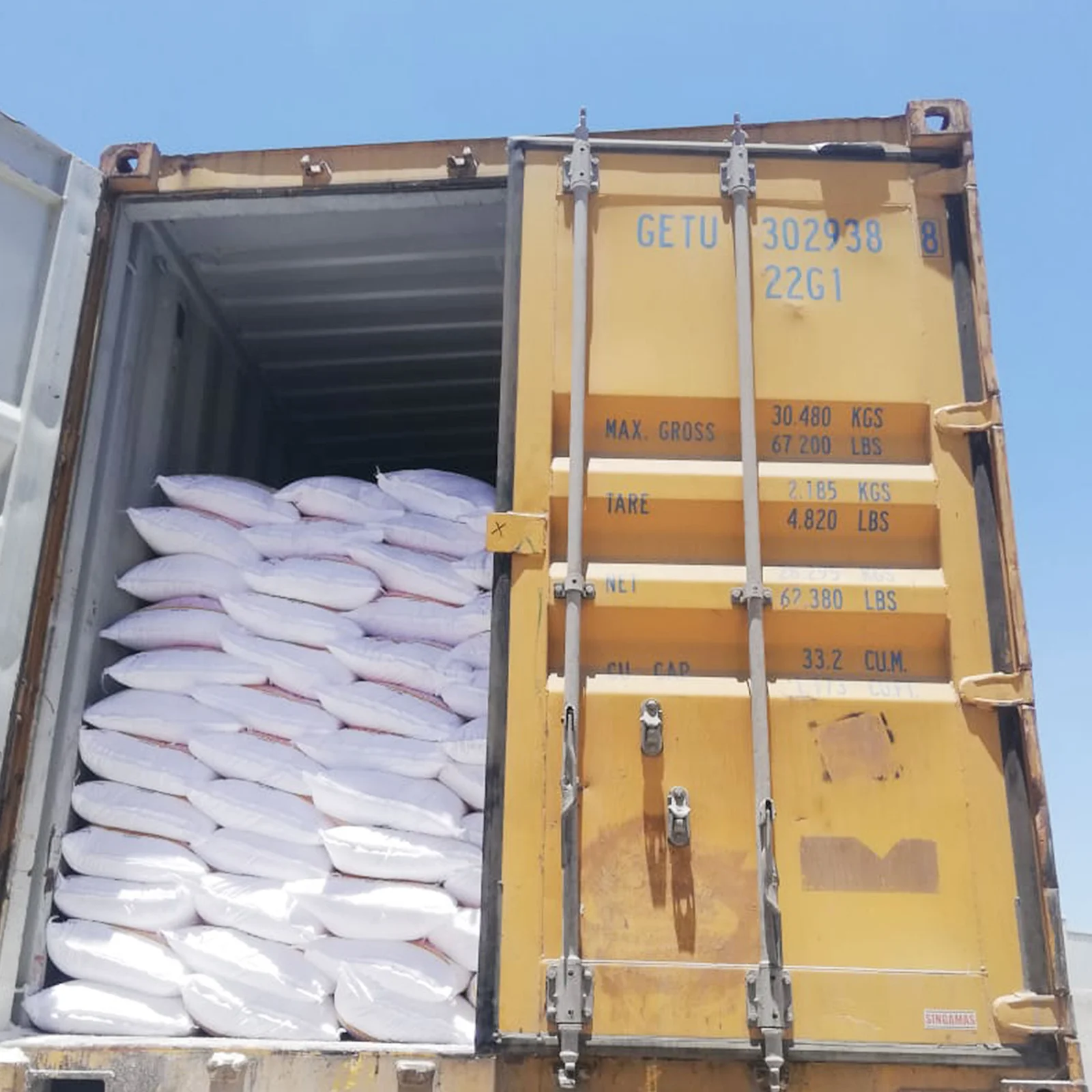
Food Grade Salt Storage: Essential Factors for Large-Scale Industry Success
5. The “FIFO” Method: First-In, First-Out
Even though salt doesn’t have an “expiration date” in the traditional sense, its physical properties can change over time. Over many months, the weight of the bags can cause the bottom layers to become slightly compacted.
To maintain the best quality, Sama United recommends a strict “First-In, First-Out” (FIFO) inventory system. By using the oldest stock first, you ensure that the salt always remains free-flowing and easy to dose in your production machinery.
6. Silo Storage for Industrial Bakers and Manufacturers
For our largest clients who use pneumatic systems, food grade salt storage often happens in massive stainless steel or fiberglass silos.
-
Silo Insulation: If your silo is outdoors, insulation is vital to prevent internal condensation during cold nights.
-
Vibrating Bottoms: To prevent the salt from “arching” or sticking to the sides, many of our partners at Sama United use silos equipped with vibrators or aeration pads that keep the salt crystals moving smoothly.
The Sama United Advantage: More Than Just a Supplier
Food Grade Salt Storage Why do global food brands trust Sama United with their salt supply? Because we understand that our job doesn’t end when the truck leaves our facility. We provide comprehensive documentation, including Certificates of Analysis (CoA) and storage compatibility charts.
When you invest in food grade salt storage infrastructure, you are protecting your investment. A ton of salt that has become a solid block is not just a loss of product; it’s a loss of labor and production time. Our logistics team works closely with your warehouse managers to ensure that the delivery format (Big Bags vs. 25kg bags) fits your specific storage capabilities.
Environmental Considerations: A Sustainable Approach
At Sama United, we are also committed to sustainability. Proper storage reduces waste, which is a key pillar of an eco-friendly supply chain. By following the factors mentioned above, you reduce the likelihood of having to dispose of damaged salt, thereby reducing your carbon footprint and environmental impact.
Common Myths About Salt Storage
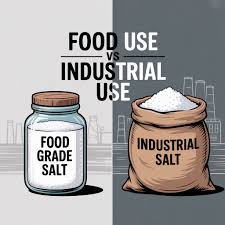
In our years at Sama United, we’ve heard many myths. Let’s clear a few up:
Food Grade Salt Storage: Essential Factors for Large-Scale Industry Success
Conclusion: Securing Your Supply Chain
Mastering food grade salt storage is an essential skill for any large-scale food operation. It ensures that your ingredients are always ready for the production line, maintaining the consistency and quality your customers expect.
At Sama United, we take pride in being the foundation of your food products. From the moment our salt is harvested to the moment it arrives at your warehouse, we ensure the highest standards of purity. By following these storage guidelines, you can ensure that the “white gold” of the food industry remains in perfect condition for your business.
Do you have questions about your specific storage setup? Contact the experts at Sama United today. We are here to provide tailored solutions for your large-scale salt needs.
by norhan | Apr 25, 2026 | Food Grade Salt, Salt
High purity edible salt is often the most overlooked ingredient in a bakery’s pantry, yet it is arguably the most influential when it comes to the final structure of a loaf of bread or a delicate pastry. At Sama United, we have spent years collaborating with master bakers and industrial food producers, and if there is one thing we’ve learned, it’s this: the difference between a mediocre product and a masterpiece often lies in the chemical purity of the salt used.
When we talk about “purity” in the context of salt, we aren’t just talking about it being clean. We are talking about a precise concentration of sodium chloride (NaCl) that allows for predictable, repeatable results in a professional kitchen. At Sama United, we provide salt that meets these exacting standards, ensuring that our partners in the baking industry never have to guess how their dough will behave.
High purity Edible Salt: The Secret Behind Perfect Bakery Product Texture
The Science of Strength: Salt and Gluten Development
To understand why high purity edible salt is vital, we must look at what happens inside the dough at a microscopic level. Salt is not just a flavor enhancer; it is a “dough conditioner.”
In our experience at Sama United, we’ve seen how pure salt interacts with glutenin and gliadin—the proteins that form gluten. Salt has a unique ability to strengthen the gluten network. It does this by neutralizing the electrical charges on the protein molecules, allowing them to bond more tightly.
-
Improved Elasticity: A strong gluten network allows the dough to expand without breaking.
-
Better Gas Retention: When the gluten is strong, it traps the carbon dioxide produced by yeast more effectively, leading to a better “rise.”
-
Volume: High purity salt ensures that your bread reaches its maximum potential volume, providing that airy, light texture consumers love.
Controlling the Life of the Party: Salt and Yeast Regulation
Every baker knows that yeast is a living organism, and like all living things, it needs to be managed. High purity edible salt acts as the regulator of fermentation. Without salt, yeast would consume sugars too quickly, producing excess gas and causing the dough to collapse.
At Sama United, we emphasize to our clients that the purity of salt is crucial here. Impurities in lower-grade salts, such as excessive magnesium or calcium, can sometimes interfere with the osmotic pressure that salt exerts on yeast cells. By using high purity salt, you ensure a steady, slow fermentation. This not only improves the texture by creating a finer crumb but also allows the flavor of the flour to develop fully.
Why Purity Matters: Avoiding the “Bitter” Trap
One of the most common questions we get at Sama United is: “Why can’t I just use standard industrial salt?” The answer lies in the secondary minerals.
Lower-purity salts often contain higher levels of magnesium and potassium salts. While these are minerals, in a concentrated baking environment, they can introduce a subtle metallic or bitter aftertaste. More importantly, these impurities are hygroscopic—meaning they attract moisture differently than pure sodium chloride. This can lead to “weeping” dough or inconsistent crust formation.
By sourcing high purity edible salt from Sama United, bakers can rest assured that they are adding nothing but pure functionality and clean salinity to their recipes.

High purity Edible Salt: The Secret Behind Perfect Bakery Product Texture
Texture and the Crust: The Role of the Maillard Reaction
The texture of a bakery product isn’t just about the soft inside; it’s about the contrast with the golden, crispy outside. Salt plays an indirect but vital role in the Maillard reaction—the chemical reaction between amino acids and reducing sugars that gives bread its color and crust texture.
Because high purity edible salt slows down yeast activity, it leaves more “residual sugar” available in the dough at the end of the fermentation process. These sugars then caramelize during baking, creating a crust that is not only beautiful but has the perfect thickness and “crunch.” At Sama United, we take pride in knowing that our salt helps produce that iconic sound of a fresh baguette being broken.
Shelf Life and Moisture Migration
In the commercial bakery world, texture must last from the oven to the dinner table, which might be several days later. Salt is a natural humectant. It helps retain moisture in the crumb, preventing the bread from becoming dry and crumbly too quickly.
However, if the salt is not pure, it can cause the crust to become soft and leathery in humid environments. High purity edible salt provides a more stable moisture balance. Our team at Sama United works closely with manufacturers to ensure our salt products help extend the “fresh-feel” shelf life of their baked goods, reducing waste and increasing customer satisfaction.
The Sama United Commitment to Quality Sourcing
As a leading supplier, Sama United understands that the food industry operates on thin margins and high expectations. We don’t just ship salt; we provide a foundation for quality.
Our high purity edible salt undergoes rigorous filtration and crystallization processes to remove any traces of sand, microplastics, or unwanted minerals. When you see the Sama United name, you are looking at a product that has been vetted for the highest culinary standards. We believe that even the smallest ingredient deserves the highest level of scrutiny.
How to Optimize Your Salt Usage in Professional Baking
For those looking to get the most out of their bulk purchases, here are a few tips from the experts at Sama United:
-
Uniformity is Key: Ensure your salt has a consistent grain size. This ensures it dissolves evenly throughout the dough, preventing “salt pockets” that can ruin the texture.
-
Timing Matters: Many bakers prefer the “Autolyse” method, adding salt after the initial flour and water mix. Using high purity salt during the final mix ensures it integrates perfectly without delaying the initial hydration of the flour.
-
Storage: Even the best salt can be ruined by poor storage. Keep your Sama United shipments in a cool, dry place to prevent clumping.
Economic Benefits of Bulk High Purity Salt
Choosing high purity edible salt is also a smart financial move. Because pure salt is more effective at strengthening dough, you may find that you need fewer chemical dough conditioners or additives.
Furthermore, by partnering with Sama United for bulk purchases, bakeries can stabilize their supply chain. We offer competitive pricing and reliable logistics, ensuring that your production line never stops due to a lack of essential ingredients.
High purity Edible Salt: The Secret Behind Perfect Bakery Product Texture
The Future of Baking with Sama United
As the world moves toward more natural and “cleaner” food labels, the role of simple, high-quality ingredients becomes even more significant. Consumers are looking for shorter ingredient lists, but they aren’t willing to sacrifice the soft texture of their favorite brioche or the chewiness of their sourdough.
Sama United is committed to being the bridge between traditional baking quality and modern industrial needs. We are constantly innovating our sourcing methods to ensure that our high-purity edible salt remains the gold standard in the industry.
Conclusion: Elevate Your Bakery with Sama United
The impact of salt on bakery products goes far beyond taste. It is the architect of the dough’s structure, the guardian of its texture, and the key to its visual appeal. By choosing high purity edible salt, you are investing in the consistency and quality of your brand.
At Sama United, we are more than just a supplier; we are your partners in culinary excellence. We understand the nuances of food science and the pressures of commercial baking. Let us provide the purity your products deserve.
Contact Sama United today to explore our range of high purity salt solutions and see how we can help you bake better, every single time.
by norhan | Apr 23, 2026 | Food Grade Salt, Salt
Gourmet sea salt wholesale is no longer just a logistics term used by supply chain managers; it has become the heartbeat of the modern premium food industry. At Sama United, we have witnessed a monumental shift in how professional kitchens and food manufacturers approach their most basic seasoning. Salt is no longer “just salt.” Today, it is a signature ingredient, a textural element, and a mark of quality that consumers are willing to pay a premium for.
As experts in Gourmet Sea Salt Wholesale at Sama United, we’ve spent years navigating the global salt trade, and the trend we’re seeing is clear: the gourmet industry is moving away from refined, industrial salts in favor of high-mineral, artisanal sea salts. But what is driving this massive growth in bulk sea salt purchases? And why are the world’s leading food brands turning to us to secure their supply chains? Let’s dive deep into the world of premium salinity.

Gourmet Sea Salt Wholesale: Why Bulk Purchases Are Skyrocketing in the Culinary World
The Evolution of the Palate: Beyond Basic Sodium
For decades, the food industry relied on highly processed table salt. It was cheap, easy to source, but ultimately flat in flavor. However, as the “gourmet” label moved from being a luxury to a standard expectation, the demand for complexity increased.
At Sama United, we believe the surge in gourmet sea salt wholesale orders is driven by the “clean label” movement. Modern consumers are reading the back of the packaging. They want to see “Mediterranean Sea Salt” or “Natural Sea Salt” instead of “Sodium Chloride with Anti-caking Agents.” Sea salt carries trace minerals like magnesium, calcium, and potassium, which not only enhance the nutritional profile but also provide a rounded, less “metallic” taste.
Texture and the “Crunch” Factor
One of the primary reasons professional chefs and high-end snack manufacturers reach out to Sama United is for the variety of grain sizes. In the gourmet world, texture is just as important as taste.
-
Fine Grain Sea Salt Gourmet Sea Salt Wholesale : Perfect for spice blends and uniform seasoning.
-
Coarse Grain: Ideal for salt grinders and crusting meats.
-
Flake Salt: The holy grail of finishing salts, providing a delicate crunch that dissolves slowly on the tongue.
When you purchase through our gourmet sea salt wholesale channels, you aren’t just buying bulk weight; you are buying specific functional properties that can change the entire mouthfeel of a product.
Gourmet Sea Salt Wholesale: Why Bulk Purchases Are Skyrocketing in the Culinary World
Economic Resilience: Why Buying Bulk Makes Strategic Sense
In an era of fluctuating shipping costs and global supply chain disruptions, the “just-in-time” inventory model is failing many businesses. At Sama United, we advise our partners that bulk purchasing is the ultimate hedge against market volatility.
Buying sea salt in bulk allows businesses to:
-
Lock in Prices: Salt prices can fluctuate based on harvest conditions and fuel costs. Bulk orders stabilize your food cost (COGS).
-
Ensure Consistency: When you source a 20-ton shipment from Sama United, every gram of that salt comes from the same harvest and the same mineral profile. This ensures that your secret recipe tastes exactly the same in January as it does in July.
-
Reduce Carbon Footprint: Fewer shipments mean less packaging waste and lower transport emissions—a key selling point for eco-conscious gourmet brands.
The Sama United Quality Standard: Not All Sea Salt is Created Equal
As a leader in the industry, Sama United doesn’t just act as a middleman. We are quality gatekeepers. The gourmet industry is sensitive; one batch of contaminated or poorly filtered salt can ruin a brand’s reputation.
Our sourcing process involves rigorous testing for purity and mineral content. We understand that when a client looks for gourmet sea salt wholesale, they are looking for a partner who understands the difference between salt harvested from the Atlantic versus the Mediterranean. We provide the transparency that the modern gourmet industry demands, ensuring that every grain is free from microplastics and industrial pollutants.
Versatility Across Different Sectors
While we often think of gourmet salt in the context of a five-star steakhouse, the reality is that the bulk demand is coming from diverse sectors:
1. The Bakery and Confectionery Sector
The “salted caramel” trend was just the beginning. Today, premium chocolatiers and bakers use our sea salt to balance sweetness and enhance the aromatic profiles of cocoa and butter.
2. Premium Snack Manufacturing
The “artisanal chip” market is booming. Manufacturers are moving away from powdered seasonings toward natural sea salt to provide a more authentic, rustic appeal.
3. The Beauty and Wellness Industry
Interestingly, a portion of our gourmet sea salt wholesale clients are in the spa and skincare industry. The same minerals that make sea salt taste better also make it an incredible exfoliant and mineral soak.
Sustainability in Sourcing: A Core Pillar at Sama United
The gourmet consumer is an educated consumer. They want to know where their food comes from. At Sama United, we prioritize salts harvested through traditional solar evaporation methods. This process relies on the sun and wind, making it one of the most environmentally friendly ways to produce food.
By choosing Sama United, companies are supporting a supply chain that respects the ocean’s ecosystem. This story—the story of the sea, the sun, and the wind—is a powerful marketing tool for our clients. It transforms a simple ingredient into a narrative of craftsmanship.

Gourmet Sea Salt Wholesale: Why Bulk Purchases Are Skyrocketing in the Culinary World
Navigating the Logistics of Bulk Gourmet Sea Salt Wholesale
Many businesses hesitate to buy in bulk because of the logistical headaches. This is where Sama United shines. We’ve streamlined the process of international shipping, customs clearance, and local warehousing.
Whether you need a full container load or specialized palletized deliveries, our logistics team ensures that your “gourmet sea salt wholesale” experience is seamless. We handle the complexity so you can focus on what you do best: creating exceptional food products.
The Future: Why the Demand Will Continue to Rise
Looking ahead, we predict that the gourmet salt market will only continue to diversify. We are already seeing increased interest in smoked sea salts, infused salts (with truffle or lemon), and rare regional harvests.
At Sama United, we are constantly expanding our portfolio to meet these evolving tastes. We don’t just sell salt; we provide the foundation for culinary innovation. The growth in bulk purchases is a testament to the fact that the industry has finally realized that quality begins with the most fundamental ingredients.
Conclusion: Partnering for Success
The rise in gourmet sea salt wholesale isn’t a passing fad; it’s a fundamental correction in the food industry toward quality, health, and transparency. As a business, choosing the right supplier is the most important decision you can make.
At Sama United, we invite you to experience the difference that professional sourcing, rigorous quality control, and a passion for the culinary arts can make. Let us help you elevate your products, stabilize your costs, and satisfy the sophisticated palates of your customers.
Are you ready to elevate your supply chain? Reach out to the experts at Sama United today and let’s discuss how our premium sea salt solutions can transform your busines
by norhan | Feb 6, 2026 | Food Grade Salt, Salt
Certified Food Grade Salt is the foundation of trust in the global food industry. At SAMA UNITED, we often tell our partners that a salt crystal might look simple to the naked eye, but its “identity card”—its certifications—is what truly defines its value. In an era where food safety regulations are stricter than ever, buying salt is no longer just a transaction of minerals; it is a transaction of trust and documentation.
As a specialist at SAMA UNITED, I have spent years helping food manufacturers navigate the complex world of international audits. We understand that for your business, a missing certificate or a failed quality test can result in rejected shipments and a damaged reputation. In this guide, I will share the “insider’s view” on what you should look for in Certified Food Grade Salt and why samaunited is the preferred partner for companies that demand excellence.

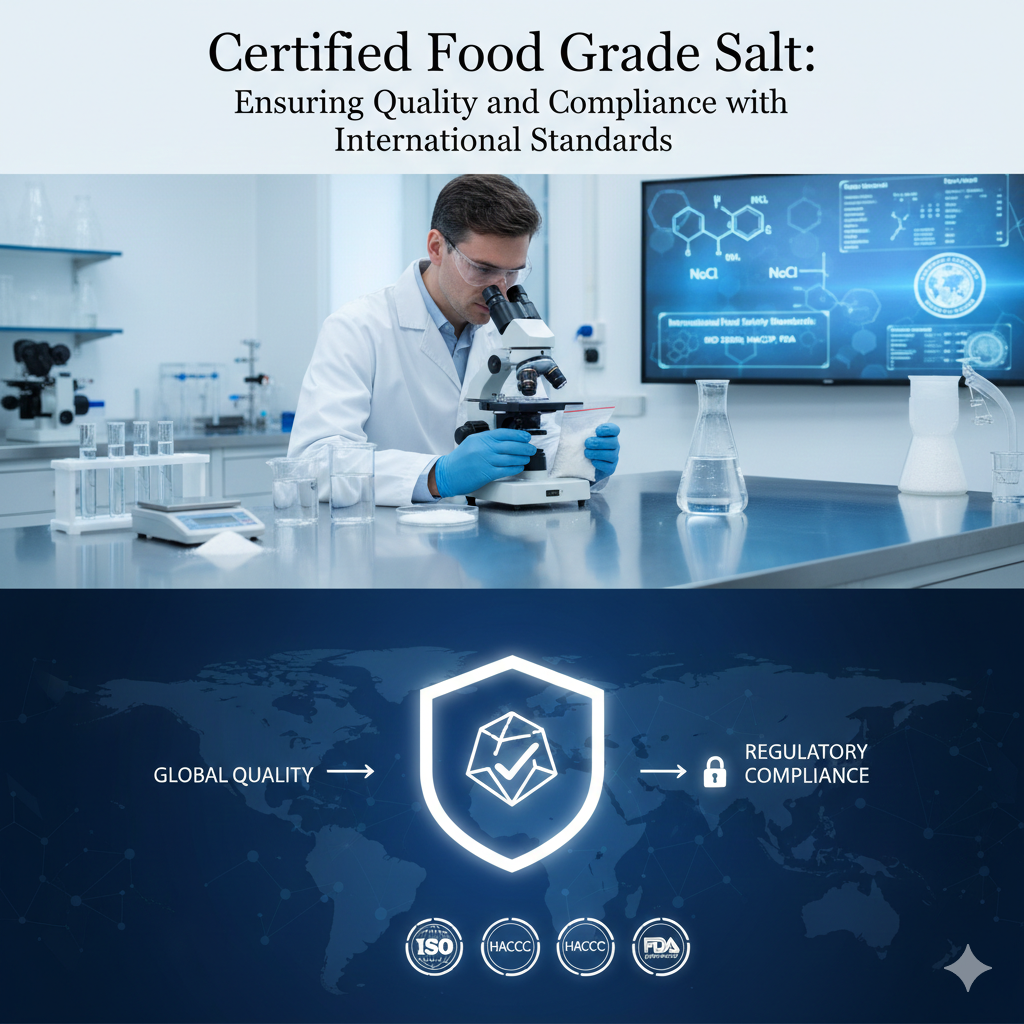
– Certified Food Grade Salt: Ensuring Quality and Compliance with International Standards
Why Certifications are the “Global Language” of Food Safety
In the international market, a logo on a bag of salt is much more than a marketing tool. It tells a story of how the salt was mined, processed, and handled. When you source Certified Food Grade Salt from SAMA UNITED, you are ensuring that your product can travel anywhere in the world—from the shelves of Europe to the markets of the Middle East—without legal or safety hurdles.
Certifications act as a universal language. They tell a health inspector in one country that the supplier in another country followed the exact same safety protocols. Without these certifications, you are essentially gambling with your brand’s safety.
1. HACCP: The Shield Against Contamination
The first thing you should look for is the HACCP (Hazard Analysis and Critical Control Points) certification. At SAMA UNITED, we take HACCP very seriously. This system identifies every point in the production process where a hazard could occur—whether it’s physical (like a piece of metal), chemical (like a cleaning agent), or biological.
When you buy Certified Food Grade Salt, the HACCP badge ensures that the supplier has “eyes” on the product from the moment it leaves the mine until it is sealed in the bag. At samaunited, our critical control points are monitored daily to ensure that the salt you receive is as pure as the earth intended.
2. ISO 22000: The Gold Standard of Management
While HACCP focuses on the product, ISO 22000 focuses on the entire food safety management system. It combines the principles of HACCP with a high-level management structure.
A supplier holding an ISO 22000 certification, like SAMA UNITED, is proving that they have a “culture of safety.” This means every employee, from the logistics driver to the CEO, is committed to maintaining the highest food standards. For a large-scale food manufacturer, this certification is non-negotiable because it guarantees consistent quality in every single batch.
3. Religious and Cultural Certifications: Halal and Kosher
In 2025, the global food market is more diverse than ever. To reach the widest audience, your Certified Food Grade Salt must be inclusive. At SAMA UNITED, we ensure our salt is both Halal and Kosher certified.
These certifications aren’t just about religious rituals; they are also perceived by many consumers as an extra layer of quality control. They ensure that the salt has not come into contact with any prohibited substances and that the processing facility is maintained to a high level of cleanliness.
4. The Certificate of Analysis (CoA): The Truth in Numbers
Every shipment of Certified Food Grade Salt from SAMA UNITED is accompanied by a Certificate of Analysis (CoA). As a facility manager, this is your most important document. A reliable CoA should tell you:
-
Purity (NaCl %): Usually 99.5% or higher for food grade.
-
Moisture Content: Lower moisture means better flowability in your machines.
-
Heavy Metal Limits: Ensuring lead, arsenic, and mercury levels are within safe, microscopic limits.
-
Insoluble Matter: Proving there is no sand or grit that could damage your equipment.
At samaunited, we provide a CoA that is transparent and easy to read, giving your quality control team the data they need to approve the batch instantly.
Traceability: The “Samaunited” Commitment
One of the most important aspects of Certified Food Grade Salt is traceability. If a problem ever arises, can your supplier tell you exactly which part of the mine that salt came from?
At SAMA UNITED, we have built a “seed-to-shelf” style traceability system for our minerals. Every bag has a batch number that links back to the production date, the refinery shift, and the specific geological deposit. This level of accountability is rare in the mineral industry, but we believe it is essential for the safety of the global food chain.

– Certified Food Grade Salt: Ensuring Quality and Compliance with International Standards
Logistics: Maintaining Certification from Mine to Warehouse
A common tragedy in our industry is when a perfect, certified product is ruined by poor transport. If salt is carried in a truck that previously held fertilizers or chemicals, its “certified” status is technically voided by contamination.
This is why SAMA UNITED manages its own dedicated logistics network. We ensure that:
-
Transport is Dedicated: Our vehicles only handle food-grade minerals.
-
Packaging is Tamper-Evident: We use high-strength, sealed bags that show immediately if someone has tried to open them.
-
Climate Control: We protect the salt from moisture, which can cause clumping and affect the chemical stability of the iodine or anti-caking agents.
– Certified Food Grade Salt: Ensuring Quality and Compliance with International Standards
Conclusion: Partnering for a Safer Future
In conclusion, Certified Food Grade Salt is the insurance policy your food business needs to thrive in a competitive global market. By looking for HACCP, ISO, and proper laboratory documentation, you are choosing to protect your customers and your company’s future.
At SAMA UNITED, we don’t just see ourselves as a salt supplier; we see ourselves as a vital part of your quality control team. We are proud to provide the minerals that meet the world’s toughest standards, delivered with the expertise and reliability that only samaunited can offer.
Are you ready to elevate your quality standards?
Contact the experts at SAMA UNITED today. Let us help you review your certification requirements and provide a Certified Food Grade Salt solution that makes your next audit a breeze. With samaunited, quality is a guarantee, not a guess.
by norhan | Feb 5, 2026 | Food Grade Salt, Salt
Preservative Grade Food Salt is the invisible shield that has protected the global food supply for millennia. At SAMA UNITED, we often remind our partners that while salt is a staple in every kitchen, its role in industrial food science is far more complex than just adding flavor. In a world where food safety and shelf-life are paramount, the quality of the salt used in preservation can make the difference between a high-quality product and a costly safety failure.
As a specialist at SAMA UNITED, I have spent years observing how high-purity minerals interact with biological systems. We understand that for food manufacturers, salt is not just a seasoning—it is a functional ingredient. In this guide, I will take you through the fascinating science of how Preservative Grade Food Salt works at a microscopic level and why samaunited is the trusted partner for food producers who refuse to compromise on quality.
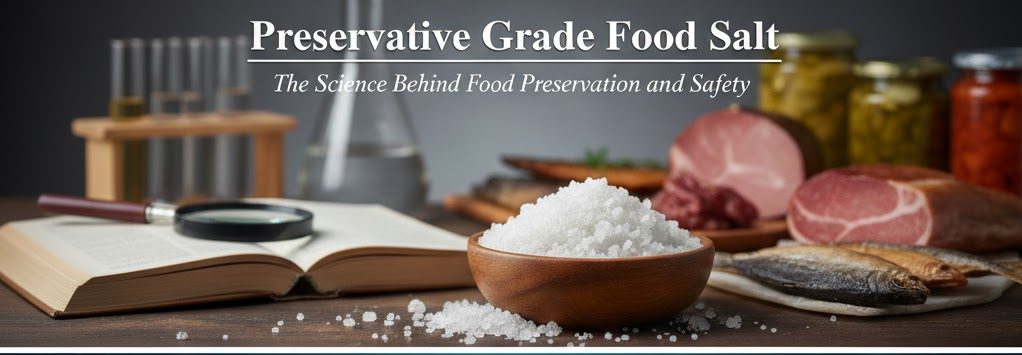
Preservative Grade Food Salt: The Science Behind Food Preservation and Safety
The Science of Osmosis: Dehydrating the Enemy
The most critical function of Preservative Grade Food Salt is its ability to draw moisture out of food and the microorganisms within it. This process is known as osmosis.
Bacteria, mold, and other microbes require moisture to grow and reproduce. When salt is applied to food—whether it’s meat, fish, or vegetables—it creates a high-concentration environment outside the bacterial cells. Nature always seeks balance, so the water inside the bacteria is “pulled” out through the cell walls to equalize the concentration. This effectively dehydrates the bacteria, stopping them from multiplying or killing them altogether.
At SAMA UNITED, we ensure our salt has the optimal crystal structure to facilitate this osmotic process quickly and evenly, providing a consistent barrier against spoilage.
Interfering with Microbial Enzymes
Beyond simple dehydration, Preservative Grade Food Salt works on a chemical level to inhibit spoilage. Salt ions (sodium and chloride) interfere with the enzymes that bacteria use to digest food and produce energy.
By disrupting these internal chemical reactions, salt makes the environment “toxic” for harmful pathogens like Salmonella and Clostridium botulinum. In my years at SAMA UNITED, I’ve seen that using a high-purity salt—one that is free from trace metallic impurities—ensures that these chemical reactions remain stable and predictable, which is essential for large-scale food safety.
The Importance of Purity in Preservation
You might ask, “Why can’t I just use any salt for preservation?” The answer lies in the mineral profile. At SAMA UNITED, we produce Preservative Grade Food Salt that is refined to a minimum purity of 99.7% NaCl.
If salt contains high levels of impurities like calcium, magnesium, or iron, it can negatively impact the preservation process:
-
Calcium and Magnesium: These minerals can prevent the salt from penetrating the food deeply, leading to “salt-burn” on the outside while the inside remains prone to spoilage.
-
Iron and Copper: Even trace amounts of these metals can act as catalysts for oxidation, causing fats in meat or fish to turn rancid and develop “off-flavors.”
By choosing samaunited, you are ensuring that your preservation process is driven by pure sodium chloride, without any unwanted chemical interference.

Preservative Grade Food Salt: The Science Behind Food Preservation and Safety
Traditional Techniques, Modern Standards
While the science remains the same, the application of Preservative Grade Food Salt varies across the industry. At SAMA UNITED, we support all three major preservation methods:
1. Dry Curing
Commonly used for hams and aged meats, dry salt is rubbed onto the surface. Our consistent grain sizing ensures that the salt dissolves at a controlled rate, drawing out moisture without over-salting the product.
2. Brining (Wet Curing)
This involves submerging food in a concentrated salt-water solution. For pickling vegetables or curing olives, the purity of the brine is everything. SAMA UNITED salt dissolves clearly and leaves no residue, ensuring your brine remains effective and visually appealing.
3. Fermentation Control
In products like sauerkraut, kimchi, or certain cheeses, salt isn’t meant to kill all bacteria. Instead, it suppresses harmful microbes while allowing “good” lactic acid bacteria to thrive. This delicate balance requires the precision that only samaunited minerals can provide.
The SAMA UNITED Commitment to Food Safety
When you partner with SAMA UNITED, you are gaining more than just a mineral supplier; you are gaining a partner dedicated to international safety standards. We understand that the food industry is governed by strict regulations like HACCP and ISO.
-
Total Traceability: Every shipment of our Preservative Grade Food Salt comes with a batch number and a Certificate of Analysis. If there is ever an audit, you have the paperwork ready.
-
Vacuum-Refined Excellence: We utilize vacuum-evaporation technology to create a salt that is not only pure but also free from environmental contaminants like microplastics or heavy metals.
-
Logistical Reliability: We know that a delay in your salt supply can halt your entire production line. samaunited has optimized its global logistics to ensure your facility always has the raw materials it needs to stay operational.
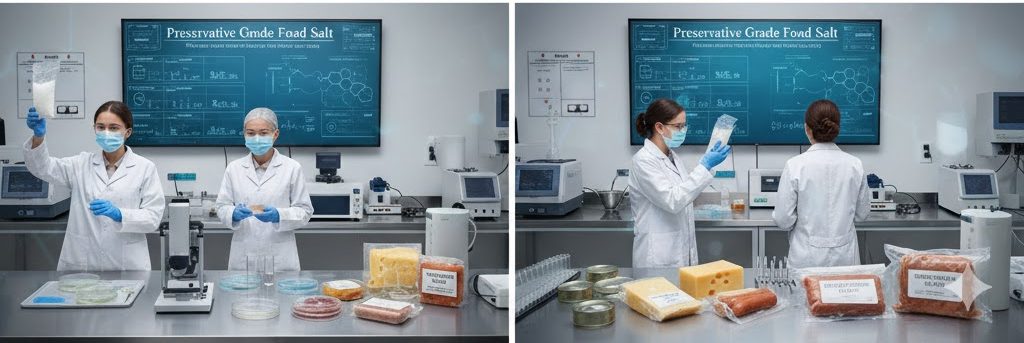
Preservative Grade Food Salt: The Science Behind Food Preservation and Safety
Economic Benefits of High-Quality Preservation
In the long run, using the best Preservative Grade Food Salt is a cost-saving strategy. When your preservation process is more effective:
-
Reduced Waste: Fewer batches are lost to spoilage or inconsistent quality.
-
Extended Reach: A longer shelf-life allows your products to travel further and stay on store shelves longer.
-
Brand Trust: Consistent flavor and safety build a loyal customer base that trusts your products.
At SAMA UNITED, we help you achieve these goals by providing a product that performs exactly the same way, every single time.
Conclusion: Partnering for a Safer Future
In conclusion, the science of food preservation is a delicate dance between biology and chemistry, and Preservative Grade Food Salt is the lead performer. From the powerful pull of osmosis to the suppression of harmful enzymes, salt remains the most important tool in a food scientist’s arsenal.
At SAMA UNITED, we take great pride in our role. We know that the salt we deliver to your factory is what keeps your products safe for families around the world. We don’t just see ourselves as a mining company; we see ourselves as a vital part of the global food safety network.
Are you ready to optimize your preservation process?
Contact the experts at SAMA UNITED today. Let us discuss your specific food production needs and show you how our high-purity Preservative Grade Food Salt can enhance your product’s safety, flavor, and shelf-life. With samaunited, you are choosing the science of excellence.