
International edible salt shipping is a sophisticated operation that requires much more than just moving a heavy commodity from point A to point B. At Sama United, we have coordinated thousands of shipments across different continents, and we know that salt is a unique cargo. It is heavy, it is sensitive to moisture, and it is governed by strict food safety regulations that vary from one country to another.
For businesses looking to import high-quality salt, the logistical journey can be a minefield of hidden costs and delays if not managed correctly. As experts at Sama United, our role is to demystify this process. We believe that a transparent supply chain is a successful one. In this guide, we will walk you through the essential factors involved in navigating the global salt trade, ensuring your product arrives on time, in perfect condition, and within budget.
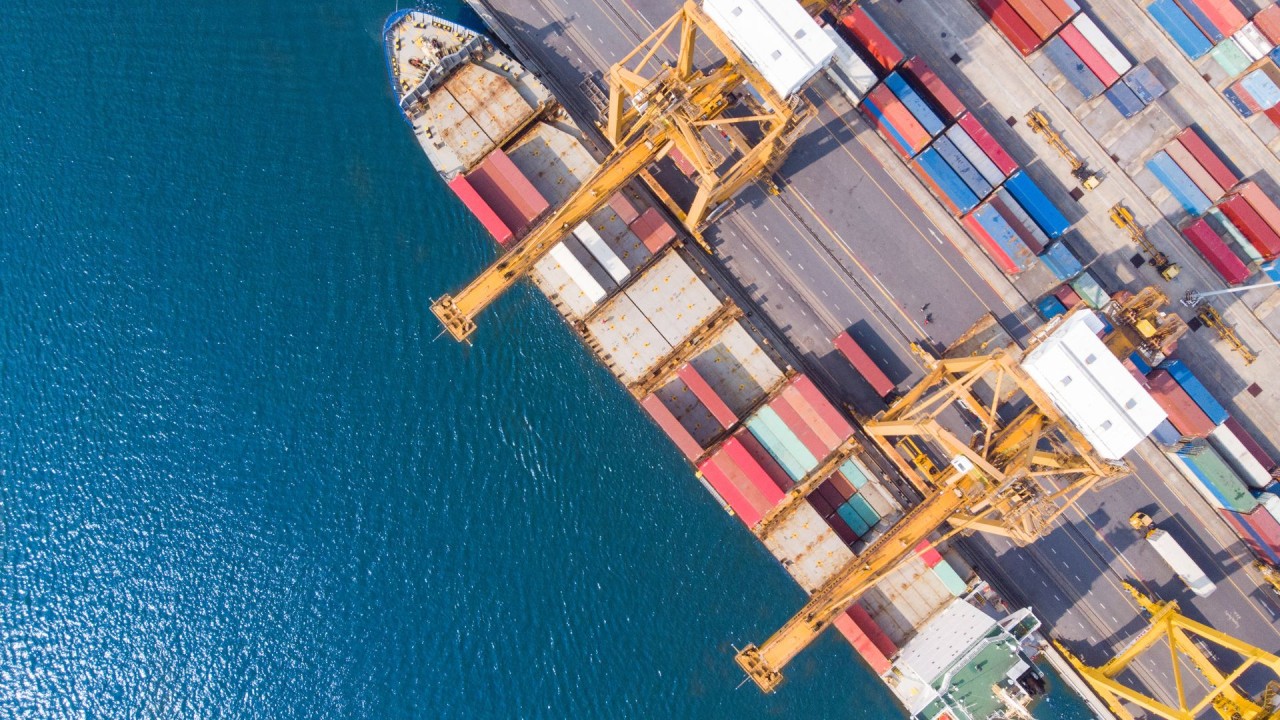
International Edible Salt Shipping: Navigating the Complexities of Global Logistics
1. Understanding Regulatory Compliance and Food Safety Standards
The first hurdle in international edible salt shipping is not the ocean, but the paperwork. Every country has its own set of “Food Grade” standards. For example, the requirements for iodine levels in the UK might differ significantly from those in the European Union or the Middle East.
At Sama United, we prioritize compliance before the salt even reaches the port. We ensure that every shipment is accompanied by:
-
Certificate of Analysis (CoA): Proving the purity and mineral composition.
-
Phytosanitary Certificates: Often required to ensure the packaging materials (like wooden pallets) are free from pests.
-
Health Certificates: Issued by the relevant authorities in the country of origin.
Failure to have even one of these documents in order can result in the shipment being held at customs, leading to expensive “demurrage” charges.
2. Choosing the Right Incoterms: FOB, CIF, or CFR?
In the world of international edible salt shipping, choosing the right “Incoterm” (International Commercial Terms) is a critical economic decision. At Sama United, we work with our clients to determine the best fit for their internal capabilities.
-
FOB (Free on Board): The buyer takes control once the salt is loaded onto the ship. This is great for large companies with their own dedicated logistics teams.
-
CIF (Cost, Insurance, and Freight): We at Sama United handle the shipping and insurance until the cargo reaches your destination port. This is often the preferred choice for gourmet brands and medium-sized manufacturers who want a “hassle-free” experience.
Our logistics experts provide guidance on which term will minimize your risk and maximize your capital efficiency.
3. Packaging Strategies for Long-Haul Sea Freight
Salt’s greatest enemy during international edible salt shipping is humidity. The ocean is a high-moisture environment, and salt is hygroscopic (it attracts water). If the packaging is insufficient, the salt can “cake” into a solid block, making it impossible to use in automated food production lines.
To combat this, Sama United utilizes advanced packaging solutions:
-
Moisture-Proof Liners: We use high-density polyethylene (HDPE) liners inside our 25kg bags and Big Bags (FIBCs).
-
Container Desiccants: In certain routes, we add moisture-absorbing poles or bags inside the shipping container to maintain a dry atmosphere.
-
Pallet Wrapping: Every pallet is shrink-wrapped securely to prevent shifting during transit and to provide an extra layer of protection against the elements.
4. Freight Consolidation and Container Optimization
Salt is a high-density, high-weight product. This means that a shipping container will usually reach its weight limit before it reaches its volume limit. Efficient international edible salt shipping requires “maximizing the payload.”
At Sama United, we are experts in container loading patterns. We ensure that every 20-foot container (the standard for salt) is loaded to its maximum safe capacity (usually 25 to 27 tons, depending on port regulations). This reduces the “per-ton” shipping cost, allowing us to pass those savings directly to our customers. We also advise on the best ports of entry to avoid congested hubs where delays are common.
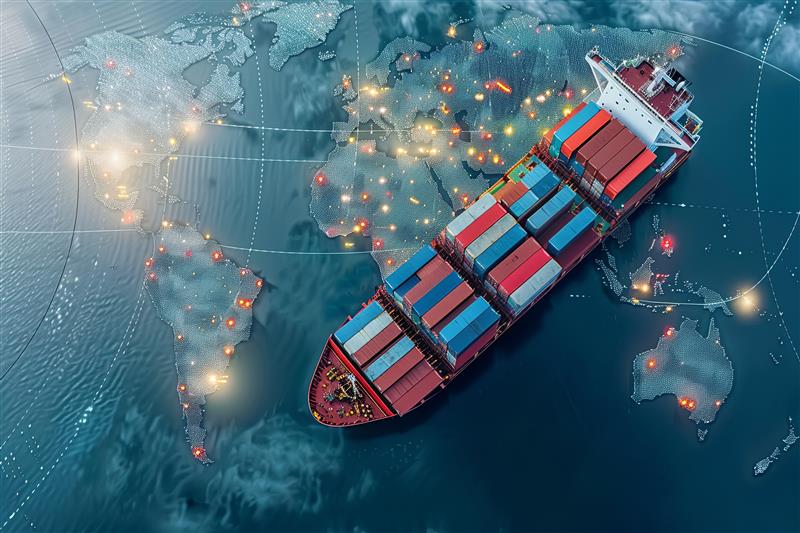
International Edible Salt Shipping: Navigating the Complexities of Global Logistics
5. Managing the “Last Mile”: From Port to Warehouse
The journey of international edible salt shipping doesn’t end when the ship docks. The “Last Mile”—the truck journey from the port to your facility—is often where the most logistical friction occurs.
Sama United works with a network of trusted haulage partners who understand how to handle heavy food-grade loads. We coordinate the “Terminal Handling Charges” (THC) and ensure that the delivery appointments at your warehouse are timed perfectly to avoid truck waiting fees. Our goal is a seamless flow from the salt works to your production floor.
6. Risk Mitigation and Marine Insurance
Even with the best planning, the ocean can be unpredictable. Part of professional international edible salt shipping is preparing for the unexpected. At Sama United, we always recommend comprehensive marine insurance. Whether it’s a “General Average” event or minor transit damage, having the right insurance coverage ensures that your capital is protected. We handle the insurance documentation as part of our CIF services, giving our partners complete peace of mind.
7. Real-Time Tracking and Communication
In the modern world, information is just as important as the physical product. When you engage in international edible salt shipping with Sama United, you aren’t left wondering where your cargo is. We provide real-time tracking updates and regular communication. Our logistics team is always available to answer questions about ETA (Estimated Time of Arrival) or to help solve any customs-related inquiries that may arise during the process.
8. The Sustainability of Global Salt Logistics
At Sama United, we are committed to reducing the environmental impact of international edible salt shipping. We prioritize shipping lines that use newer, more fuel-efficient vessels. We also look for opportunities to use “Intermodal” transport—combining rail and sea—which can be more carbon-efficient than long-distance trucking. By optimizing our logistics, we aren’t just saving money; we are being responsible stewards of the environment.
Why Partner with Sama United for Your Salt Logistics?
The complexities of global trade can be overwhelming, but they don’t have to be. By choosing Sama United, you are partnering with a company that lives and breathes salt logistics. We handle the complexity so that you can focus on your core business.
Our deep understanding of international edible salt shipping means we can anticipate problems before they happen. We know which seasons bring the most humidity, which ports have the fastest clearance times, and which shipping lines are the most reliable. This “insider knowledge” is what sets Sama United apart as a leader in the industry.
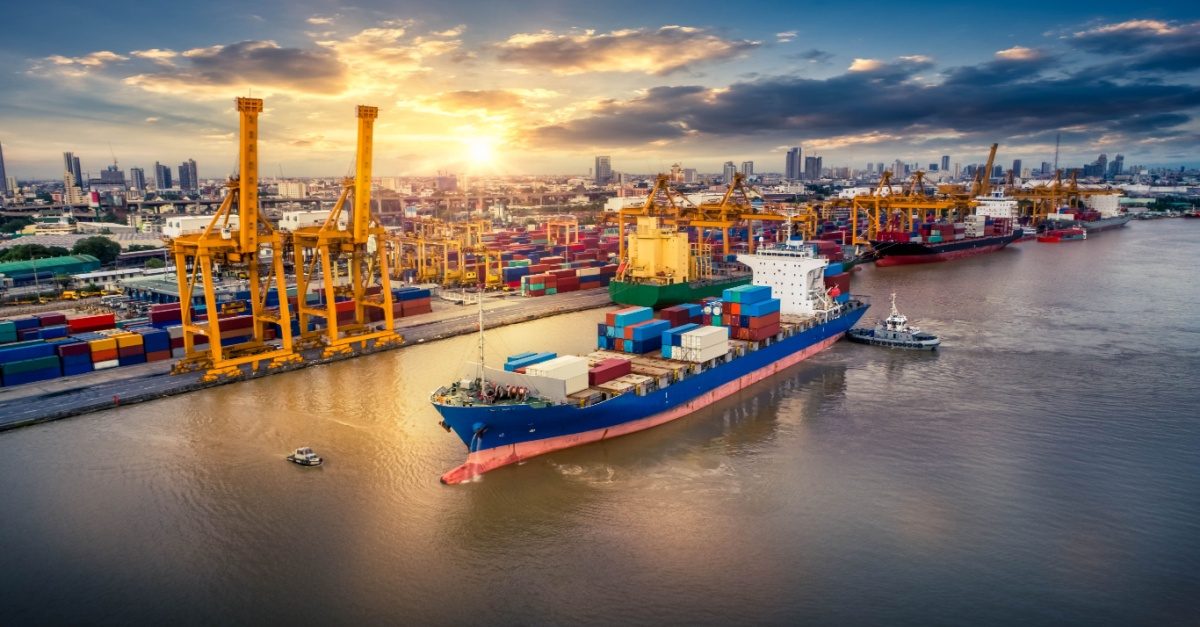
International Edible Salt Shipping: Navigating the Complexities of Global Logistics
Conclusion: Seamless Salt Sourcing with Sama United
International edible salt shipping is the bridge between the high-quality salt we produce and the world-class food products you create. Navigating this bridge requires experience, attention to detail, and a commitment to excellence.
At Sama United, we take pride in being more than just a salt supplier; we are your global logistics partner. We invite you to experience a new level of service where your shipments arrive on time, every time, and in the pristine condition your brand demands.
Are you ready to streamline your international salt imports? Contact the logistics experts at Sama United today and let us handle the world for you.