by norhan | May 16, 2026 | Industrial Salt, Salt
Food grade vs industrial salt is a distinction that carries immense weight in the global supply chain, yet it is often misunderstood by those outside the chemical and culinary industries. At Sama United, we receive dozens of inquiries daily from businesses looking to optimize their procurement. The most common question we encounter is: “If salt is just sodium chloride (NaCl), does it really matter which grade I buy?”
Food Grade vs Industrial Salt As experts at Sama United, our answer is always a definitive “Yes.” While both types of salt originate from the same sources—the sea or underground mines—the journey they take from the source to the final consumer is vastly different. The difference between food grade and industrial salt isn’t just a matter of marketing; it is a matter of chemical purity, regulatory compliance, and functional performance. In this comprehensive guide, we will break down the essential differences to help you make an informed decision for your business.
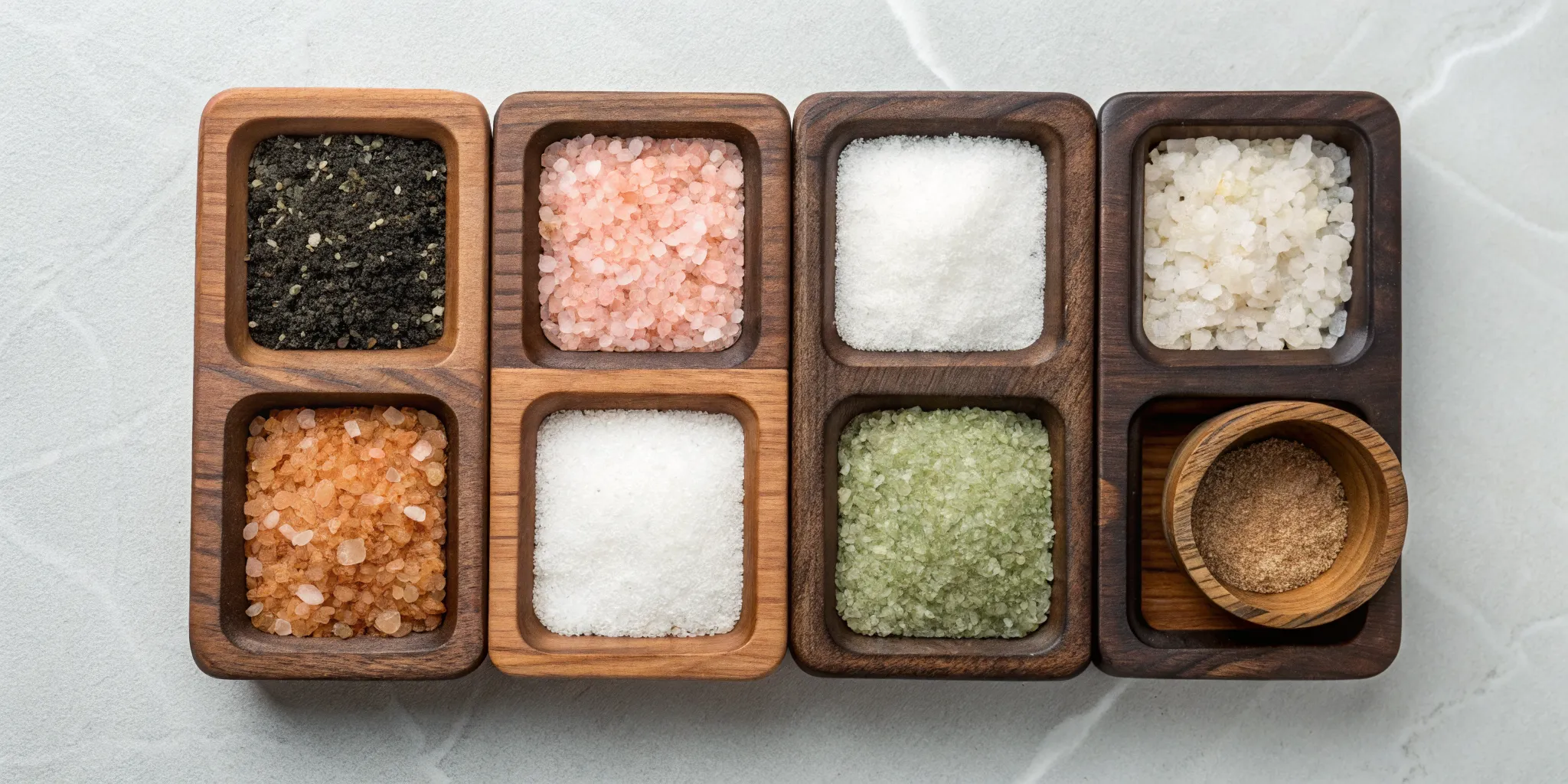
Food Grade vs Industrial Salt: Understanding the Key Differences for Your Business
1. Purity: The Core Chemical Distinction
When we discuss food grade vs industrial salt, purity is the first and most important factor.
-
Food Grade Salt: To be classified as food grade, salt must typically reach a sodium chloride purity of at least 97% to 99.9%, depending on the specific regional regulations (such as the FDA in the US or EFSA in Europe). More importantly, it must be virtually free from heavy metals like lead, arsenic, and mercury.
-
Industrial Salt: Industrial salt is generally less refined. While it can still be 95% to 99% pure, it often contains higher levels of trace minerals like magnesium, calcium, and potassium. While these minerals are natural, they are considered “impurities” in many industrial processes, such as chemical manufacturing or textile dyeing.
At Sama United, we subject our food-grade salt to multiple stages of vacuum evaporation and filtration to ensure it meets the highest global purity standards, whereas our industrial salt is tailored to the specific needs of factories and plants.
2. Additives: Why One is “Enriched” and the Other is “Raw”
Another major point in the Food Grade vs Industrial Salt debate is the use of additives.
-
Food Grade Additives: Most food-grade salt contains “Anti-caking agents” like potassium ferrocyanide to ensure it remains free-flowing in your salt shaker or industrial mixer. Additionally, many countries require the addition of Iodine to food-grade salt as a public health measure to prevent thyroid issues.
-
Industrial Salt Additives: Industrial salt is often sold in its raw, untreated state. In many chemical processes, additives like iodine or anti-caking agents would actually be harmful. For example, in the production of chlorine or in high-pressure boilers, these additives can cause unwanted chemical reactions or buildup.
Sama United provides clear documentation (Certificates of Analysis) for every shipment, ensuring that you know exactly what additives—or lack thereof—are present in your salt.
3. Regulatory Oversight and Quality Control
The “Food Grade” label is more than just a description; it is a legal status.
-
Stringent Monitoring: Food-grade salt production facilities must adhere to strict hygiene protocols, often including HACCP (Hazard Analysis and Critical Control Point) certifications. These plants are inspected for everything from air quality to the cleanliness of the machinery.
-
Industrial Flexibility: While industrial salt is still subject to quality control, the focus is on “Technical Specifications” rather than “Biological Safety.”
At Sama United, we bridge this gap by maintaining high quality-control standards across all our product lines. However, we strictly segregate our food-grade and industrial-grade supplies to ensure there is zero risk of cross-contamination.
4. Physical Form and Granulometry
Food Grade vs Industrial Salt The physical appearance of the salt is often a telltale sign of its grade.
-
Food Grade Consistency: This salt is usually processed into very specific grain sizes. Whether it’s “Extra Fine” for popcorn or “Coarse” for pretzels, the size must be uniform to ensure even dissolving and flavor.
-
Industrial Variety: Industrial salt comes in a much wider range of forms. It can be sold as “Rock Salt” for de-icing roads, “Salt Tablets” for water softening, or “Crushed Salt” for leather tanning.
Sama United offers a diverse portfolio for both sectors. We understand that a baker needs a different grain than a textile dyer, and we customize our processing accordingly.
5. Functional Applications: Where the Salt Goes
The “why” behind the food grade vs industrial salt split is found in the application:
-
Food Grade Applications: Meat curing, baking, snack manufacturing, and canning. Here, the salt is ingested, so it must be safe and have a clean taste profile.
-
Industrial Applications:
-
Water Softening: Removing hardness from water in hotels and factories.
-
Textile Dyeing: Helping colors bind to fabric (as discussed in our previous insights).
-
Chemical Industry: Serving as a raw material for producing chlorine, caustic soda, and soda ash.
-
De-icing: Lowering the freezing point of water on winter roads.
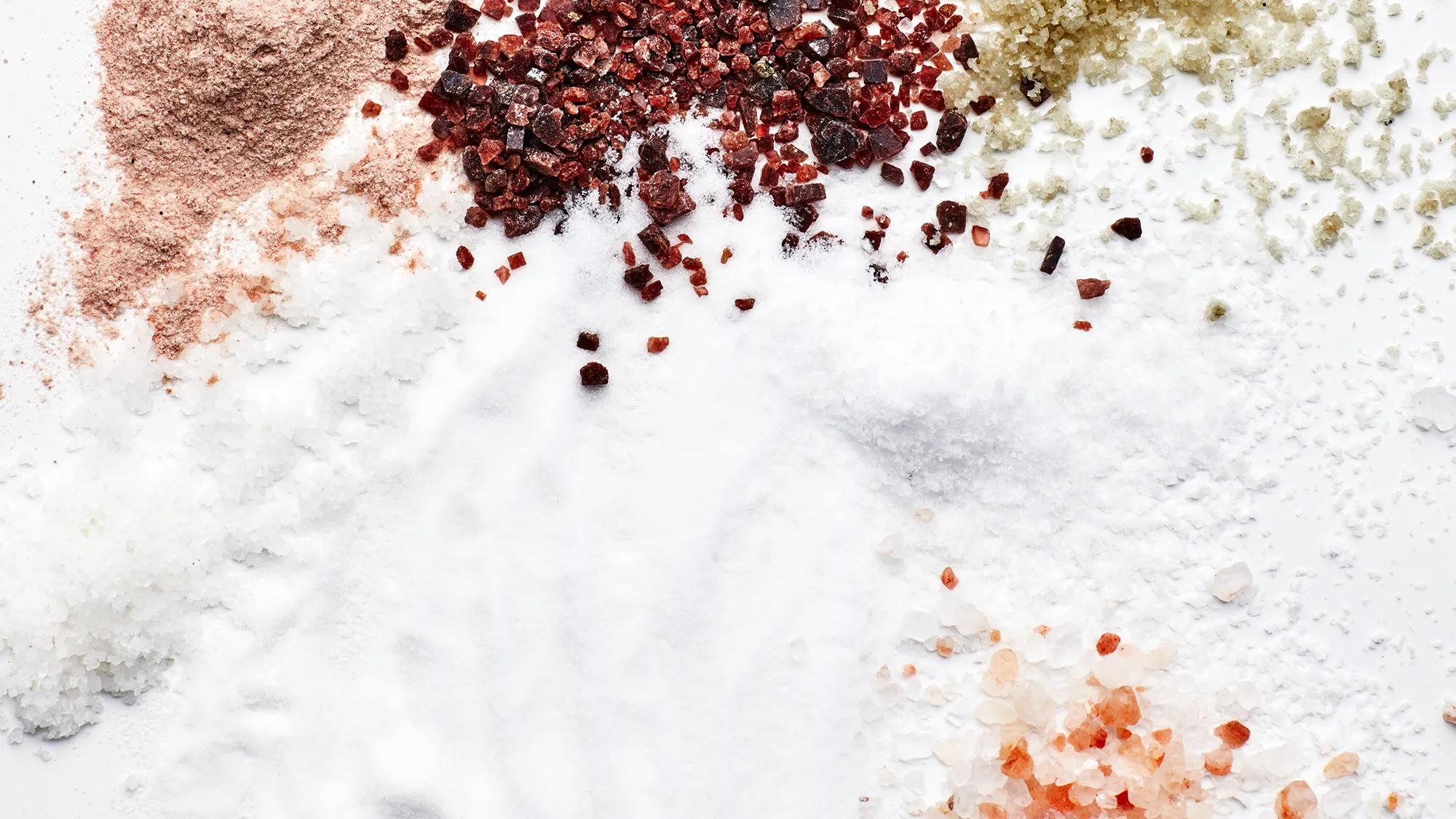
Food Grade vs Industrial Salt: Understanding the Key Differences for Your Business
6. Packaging and Logistics: Maintaining Integrity ( Food Grade vs Industrial Salt)
Logistics play a silent but vital role in the food grade vs industrial salt experience.
-
Food Grade Packaging: Our food-grade salt at Sama United is typically packaged in high-barrier, food-safe plastic bags that prevent moisture ingress and external contamination. The bags are often palletized and shrink-wrapped to maintain a sterile environment during export.
-
Industrial Packaging: While we still ensure high-quality packaging, industrial salt is often moved in larger bulk formats, such as 1-ton Big Bags or even loose bulk in specialized shipping containers. The primary goal here is durability and cost-efficiency.
7. The Price Difference Food Grade vs Industrial Salt : Investing in Safety
Naturally, food-grade salt is more expensive than industrial salt. This price difference reflects the additional costs of refining, testing, regulatory fees, and specialized packaging.
At Sama United, we advise our clients to never “cut corners” by using industrial salt in food applications to save money. The legal risks and health hazards far outweigh the minor cost savings. Conversely, using food-grade salt in an industrial machine might be a waste of resources if the machine doesn’t require such high purity. We help our clients find the “Sweet Spot”—the exact grade that meets their needs without overpaying.
8. Moisture Content: A Technical Detail
In our years at Sama United, we’ve noticed that moisture levels are a key technical difference.
-
Food Grade: Usually has a very low moisture content (often less than 0.1%) to prevent clumping and microbial growth.
-
Industrial: Can have higher moisture levels (up to 3-4% for certain types of solar salt), which is acceptable for many outdoor industrial uses but would be a disaster for a commercial bakery.
9. The Impact on Flavor vs. Function
Food-grade salt is designed to have a “Neutral” salinity. Any impurities (like magnesium) would make the salt taste bitter. In industrial use, flavor is irrelevant; the focus is on the “Sodium Ion” and how it reacts with other chemicals.
When you source from Sama United, you are getting a product designed for its specific end-use. Our food-grade salt enhances the flavor of your products, while our industrial salt enhances the efficiency of your machines.
10. Sustainability and Sourcing: The Sama United Way
Regardless of the grade, Sama United is committed to sustainable sourcing. Whether we are providing refined salt for a global food brand or bulk salt for an oil refinery, we prioritize environmental responsibility. We ensure that our salt is harvested using methods that respect the ecosystem, ensuring a stable supply for the future.

Food Grade vs Industrial Salt: Understanding the Key Differences for Your Business
Conclusion Food Grade vs Industrial Salt : Making the Right Choice for Your Business
In the debate of food grade vs industrial salt, the “right” choice depends entirely on your specific industry and application. Salt is a versatile mineral, but its various grades are not interchangeable. Using the wrong salt can lead to poor product quality, machine damage, or regulatory penalties.
At Sama United Food Grade vs Industrial Salt , we pride ourselves on being more than just a supplier; we are your strategic partner. Our team is here to guide you through the technical specifications, the logistical challenges, and the regulatory requirements of both grades. Whether you are looking for the purest salt for a gourmet bakery or high-performance salt for industrial manufacturing, Sama United has the expertise and the inventory to meet your needs.
Are you unsure which salt grade is right for your next project? Contact the experts at Sama United today for a personalized consultation and a quote that fits your business goals.
by norhan | May 14, 2026 | Industrial Salt, Salt
Chemical grade salt for electrolysis is the fundamental raw material that powers some of the world’s most critical industrial processes. At Sama United, we have observed that while many companies view salt as a simple commodity, those in the electrolysis sector—specifically the chlor-alkali and water treatment industries—know that salt is a precision chemical. The process of electrolysis, which uses electricity to split brine into chlorine gas, hydrogen, and caustic soda, is incredibly sensitive to the chemical composition of the salt used.
As experts at Sama United, we understand that in a large-scale electrolytic cell, even trace amounts of the wrong mineral can lead to catastrophic membrane damage or dangerous chemical side reactions. Choosing the right chemical grade salt for electrolysis is not just about the price per ton; it is about protecting your multi-million dollar equipment, optimizing energy consumption, and ensuring the purity of your final chemical products. In this guide, we will explore the technical nuances of electrolysis salt and why Sama United is the trusted partner for high-purity industrial sourcing.
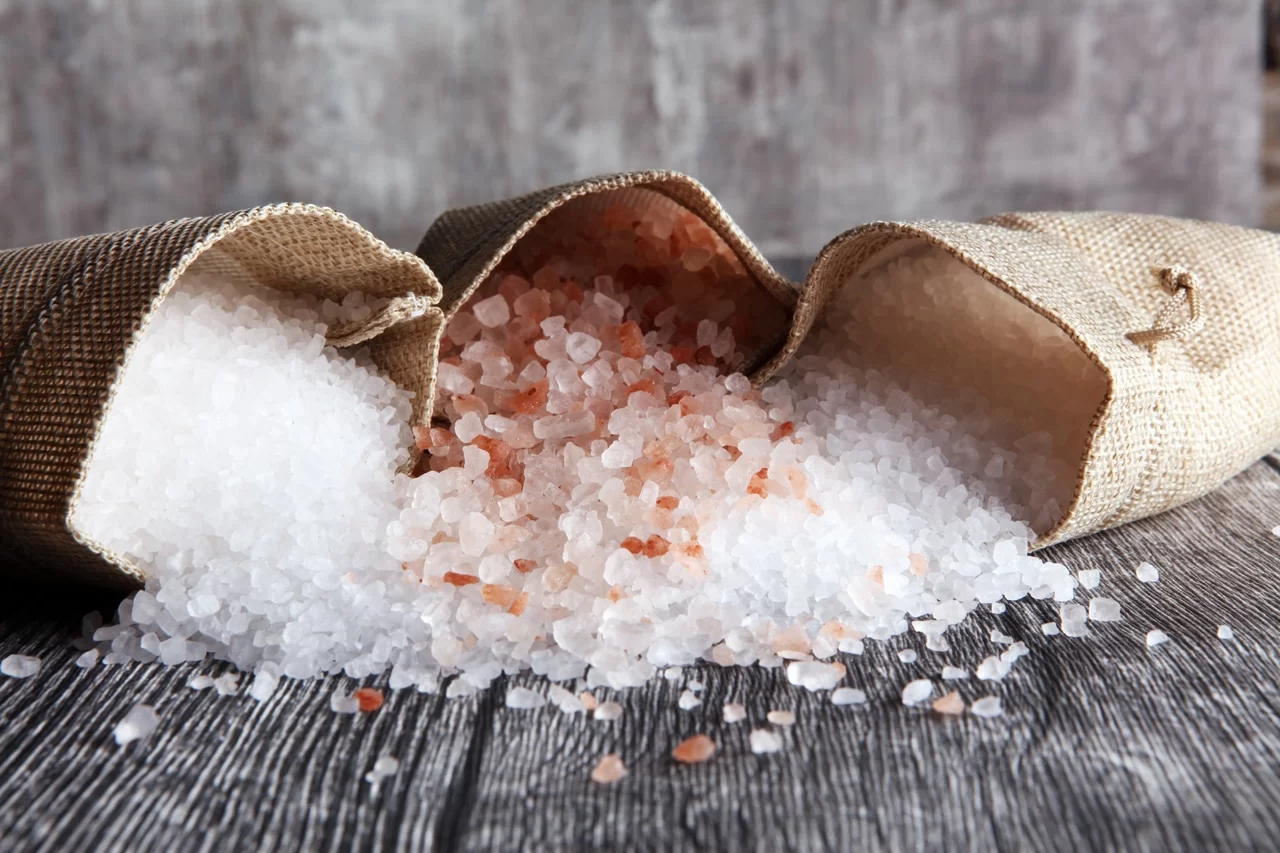
Chemical grade salt for electrolysis: A Strategic Choice for Industrial Efficiency
1. The Science of the Electrolytic Cell: Why Salt Quality Matters
To appreciate the importance of chemical grade salt for electrolysis, one must understand what happens inside the cell. Whether you are using a membrane cell, a diaphragm cell, or a mercury cell (though the latter is being phased out), the goal is to pass a high-voltage current through a saturated salt solution (brine).
If the salt is not of a high chemical grade, the electrolysis process becomes inefficient. Impurities in the brine can:
-
Increase Electrical Resistance: Leading to higher energy bills.
-
Foul the Membranes: Modern ion-exchange membranes are expensive and can be easily clogged by microscopic impurities.
-
Contaminate the Products: Impurities in the salt will end up in your chlorine gas or your caustic soda, potentially making them unsellable for high-end applications.
At Sama United, we specialize in providing salt that minimizes these risks, ensuring a smooth and profitable electrolytic process.
2. The “Enemies” of Electrolysis: Key Impurities to Avoid
When sourcing chemical grade salt for electrolysis, our technical team at Sama United looks at far more than just the sodium chloride (NaCl) percentage. We focus on the “PPM” (parts per million) of specific contaminants that are known to interfere with electrolysis.
Calcium and Magnesium (Hardness)
These are the primary enemies of the membrane cell. If calcium and magnesium levels are too high, they precipitate out as solids, “blinding” the membrane and significantly shortening its lifespan. Sama United provides salt with ultra-low hardness levels to reduce the burden on your primary and secondary brine purification systems.
Sulfate (SO4SO4)
High sulfate levels can damage the anodes and reduce the efficiency of the chlorine evolution. While some sulfate is manageable, consistent levels are required for stable operation.
Silica and Heavy Metals
Trace amounts of silica, iron, or nickel can deposit on the electrodes, causing “poisoning.” This leads to a drop in voltage efficiency and can even create safety hazards by promoting the formation of explosive nitrogen trichloride if ammonia is present.
3. The Chlor-Alkali Industry: Salt as a Raw Material
The chlor-alkali industry is the largest consumer of chemical grade salt for electrolysis. It is the backbone of the chemical world, producing the chlorine used for PVC plastics, disinfectants, and pharmaceuticals, and the caustic soda used for paper, aluminum, and soap.
At Sama United, we serve as a vital link in this supply chain. We understand that for a chlor-alkali plant, the “Total Cost of Ownership” of salt includes the cost of the chemicals needed to purify the brine. By using a higher-grade salt from Sama United, plants can significantly reduce their consumption of soda ash and caustic soda used in the purification stage, leading to massive annual savings.
4. Water Electrolysis and Green Hydrogen Production
As the world moves toward a “Green Hydrogen” economy, water electrolysis is gaining renewed attention. While some systems use pure water, many industrial-scale hydrogen generators rely on a brine solution to improve conductivity.
Chemical grade salt for electrolysis is essential here to ensure that the hydrogen produced is of the highest purity (99.999%). Any volatile impurities in the salt could contaminate the hydrogen, making it unsuitable for fuel cells or high-tech manufacturing. Sama United is proud to support the renewable energy sector by providing the chemical foundations for clean energy.
5. Grain Size and Solubility: The Physical Factor
In a continuous electrolysis process, the speed at which the salt dissolves is critical. If the salt dissolves too slowly, the brine concentration drops, and the cell efficiency plummets.
At Sama United, we offer various granulometries for our chemical grade salt.
-
Fine Refined Salt: For rapid dissolution in automated brine saturators.
-
Coarse Refined Salt: Often preferred for certain types of diaphragm cells where a specific flow rate is required.
Our processing ensures that the salt doesn’t “clump” in the silo, providing a steady, predictable flow of raw material into your system.
Chemical grade salt for electrolysis: A Strategic Choice for Industrial Efficiency
6. The Economic Impact: Energy Savings and Maintenance
In electrolysis, electricity is your biggest cost. When you use chemical grade salt for electrolysis from Sama United, you are effectively lowering your energy consumption.
Pure brine allows the ion-exchange membrane to operate at peak efficiency with the lowest possible voltage drop. Even a 1% improvement in voltage efficiency across a large plant can save hundreds of thousands of dollars in electricity costs over a year. Furthermore, by reducing the frequency of membrane cleanings and replacements, you reduce your “downtime,” keeping your production running 24/7.
7. Logistics and Sourcing: The Sama United Advantage
Moving thousands of tons of chemical grade salt for electrolysis across international borders requires expert logistics. This is where Sama United excels.
-
Bulk Deliveries: We coordinate large-scale shipments in 20-foot containers or bulk carriers.
-
Contamination Control: We use specialized food-grade liners even for industrial salt to ensure that no rust, dirt, or moisture from the shipping container contaminates the salt during transit.
-
Reliable Supply Chain: Electrolysis plants cannot stop. We manage our inventory and shipping schedules to ensure that our clients always have a “buffer stock” ready for use.
8. Documentation and Compliance: Certificates of Analysis (CoA)
In the chemical industry, trust is built on data. Every shipment of chemical grade salt for electrolysis from Sama United is accompanied by a detailed Certificate of Analysis. We provide transparent data on:
-
Sodium Chloride (NaCl) content.
-
Detailed PPM breakdown of Calcium, Magnesium, and Sulfates.
-
Moisture content and insoluble matter.
This allows your plant chemists to adjust their purification processes with 100% confidence.
9. Sustainability in Chemical Production
As discussed in our previous insights, sustainability is a core value at Sama United. We source our electrolysis-grade salt from facilities that prioritize energy-efficient refining. By providing a higher-purity product, we help our clients reduce the chemical waste (sludge) produced during brine purification, contributing to a cleaner, more environmentally friendly chemical industry.
10. Why Partner with Sama United for Your Electrolysis Needs?
Choosing Sama United means choosing a partner who understands the technical demands of your industry. We don’t just sell salt; we sell performance. We know that the success of your electrolysis plant depends on the reliability of your raw material.
Our salt is:
-
Ultra-Pure: Meeting and exceeding international chlor-alkali standards.
-
Consistent: Batch-to-batch uniformity that your engineers can rely on.
-
Cost-Effective: Strategic sourcing and logistics that protect your margins.
Chemical grade salt for electrolysis: A Strategic Choice for Industrial Efficiency
Conclusion Chemical grade salt for electrolysis: Securing the Future of Your Production
In conclusion, chemical grade salt for electrolysis is the lifeblood of the modern chemical and water treatment industries. The quality of this salt dictates the efficiency, safety, and profitability of your entire operation. At Sama United, we take pride in providing the high-precision salt required for these complex processes.
Whether you are producing chlorine for a city’s water supply or hydrogen for the next generation of transport, let Sama United provide the purity you need to succeed. We invite you to experience the difference that expert sourcing and technical excellence can make.
Are you looking to optimize your electrolysis process? Contact the technical team at Sama United today for a customized salt specification and a quote that reflects the true value of quality.
by norhan | May 12, 2026 | Industrial Salt, Salt
Industrial salt for textile dyeing is the unsung hero of the global fashion and upholstery industries. At Sama United, we have partnered with some of the world’s largest textile hubs, and we have seen firsthand that while the dye provides the color, it is the salt that ensures the color actually stays on the fabric. In the complex world of textile chemistry, salt acts as the bridge between the liquid dye and the solid fiber. Without high-quality industrial salt, the vibrant colors we see in our clothing, home linens, and industrial fabrics would be dull, uneven, and prone to washing out.
As experts at Industrial Salt for Textile Dyeing in Sama United, we understand that large-scale textile operations cannot afford errors. A single batch of unevenly dyed fabric can result in thousands of dollars in losses. This is why choosing the right industrial salt for textile dyeing is a strategic business decision. In this comprehensive guide, we will dive deep into the science of how salt works in the dye bath, why purity is critical for textile manufacturers, and how Sama United ensures a seamless supply chain for this vital industrial mineral.
Industrial Salt for Textile Dyeing: The Essential Catalyst in Large-Scale Production
1. The Science of “Exhaustion”: How Salt Drives the Dye
To understand the importance of industrial salt for textile dyeing, we must look at the electrical charges of fibers and dyes. Most textile fibers, particularly natural ones like cotton and cellulose, develop a negative electrical charge when they are submerged in water. Similarly, most “reactive dyes” used in the industry are also negatively charged.
In physics, like charges repel each other. This means the fabric naturally pushes the dye away. This is where salt comes in.
-
The Electrolyte Effect: Salt acts as an electrolyte. When added to the dye bath, it releases sodium ions (Na+Na+).
-
Neutralizing the Charge: These positive ions surround the negative charge of the fiber and the dye, neutralizing the repulsion.
-
Driving the Dye (Exhaustion): With the electrical barrier removed, the dye is “pushed” or “exhausted” out of the water and into the fiber.
At Sama United, we provide salt that facilitates this “exhaustion” process with maximum efficiency, ensuring that every gram of dye you purchase is utilized effectively on the fabric.
2. Achieving Levelness: The Secret to Uniform Color ( Industrial Salt for Textile Dyeing)
One of the biggest challenges in large-scale dyeing is “levelness”—ensuring that the color is perfectly uniform from the beginning of a fabric roll to the end. If the salt dissolves too slowly or contains impurities, the dye may fix to the fabric in patches, leading to a “streaky” appearance.
High-purity industrial salt for textile dyeing from Sama United is designed for rapid and uniform solubility. By ensuring the salt concentration is consistent throughout the dye vat, we help manufacturers achieve that perfect, flat color that is the hallmark of high-quality textile products. Whether you are dyeing delicate silk or heavy-duty denim, the consistency of our salt crystals ensures a predictable and repeatable process.
3. Why Purity is More Important Than You Think
A common misconception is that “any salt will do” for industrial use. However, at Sama United, we emphasize that impurities in salt can be catastrophic for textile chemistry.
-
Calcium and Magnesium (Hardness): If your salt contains high levels of calcium or magnesium, these minerals can react with the dye molecules, causing them to precipitate or form “scum.” This results in spots on the fabric and can even damage expensive dyeing machinery.
-
Heavy Metals: Trace amounts of iron or copper in low-quality salt can actually change the shade of the dye. Your “sky blue” might turn into a “muddy teal” simply because of the salt quality.
By sourcing your industrial salt for textile dyeing from Sama United, you are guaranteed a product that has been refined to remove these troublesome minerals. Our salt is “soft” on your fabrics and your machines, ensuring the integrity of your colors.
4. Salt and Reactive Dyes: The Perfect Partnership
Reactive dyes are the most popular choice for cotton and cellulose fibers because of their bright colors and excellent wash-fastness. However, they are also the most salt-intensive. In large-scale operations, the amount of salt used can sometimes exceed the weight of the fabric being dyed.
This high volume means that the economic efficiency of your salt supply is vital. Sama United specializes in bulk logistics, providing high-purity salt in 25kg bags or 1000kg Big Bags to suit the automated dosing systems of modern textile plants. By using a higher-purity salt, you can often use a lower total volume of salt to achieve the same exhaustion rate, saving you money on both procurement and wastewater treatment.
5. Reducing Wastewater Impact: The Sustainability Angle
The textile industry is under increasing pressure to reduce its environmental footprint. A major part of this is managing the salinity of wastewater. When you use high-purity industrial salt for textile dyeing from Sama United, you are already taking a step toward sustainability.
Because our salt is highly efficient at pushing dye into the fiber, less “unfixed” dye remains in the wastewater. This makes the water treatment process easier and more cost-effective. Furthermore, we are working with innovative plants that are looking into brine recovery systems—processes that clean and reuse the salt water for multiple dyeing cycles. Sama United supports these green initiatives by providing the high-quality chemical foundation required for recycling systems to function without mineral buildup.
Industrial Salt for Textile Dyeing: The Essential Catalyst in Large-Scale Production
6. Logistical Reliability for Global Textile Hubs
The textile industry operates on incredibly tight deadlines. Fashion seasons don’t wait for delayed shipments. At Sama United, we understand that salt is a “bulk” ingredient that requires sophisticated logistics to remain affordable and timely.
Our industrial salt for textile dyeing is moved through a streamlined global supply chain. We handle:
-
Container Optimization: Ensuring maximum weight capacity to reduce shipping costs.
-
Moisture-Proof Packaging: Salt for textiles must be kept dry; clumped salt cannot be accurately measured in automated systems. Our bags feature heavy-duty liners to prevent moisture ingress during sea transit.
-
Just-In-Time Delivery: We help our clients manage their inventory so they never have to stop their production lines due to a lack of raw materials.
7. The Importance of Grain Size in Textile Vats
Different dyeing machines have different requirements. Some high-pressure jets require very fine salt that dissolves instantly, while other traditional winch machines might handle a slightly coarser grain.
Sama United offers a variety of granulometries. Our technical team can consult with your plant managers to determine the ideal grain size for your specific machinery. This attention to detail is what makes Sama United more than just a supplier—we are a technical partner in your production process.
8. The Economic Advantage of Buying Direct from Sama United
As we discussed in previous insights, the “middleman tax” can significantly inflate the cost of industrial minerals. For the textile industry, where margins are often thin, buying industrial salt for textile dyeing directly from a manufacturer like Sama United provides a major competitive advantage.
-
Bulk Pricing: Access to factory-direct rates.
-
Consistent Specification: Unlike a general wholesaler, we provide a consistent Certificate of Analysis (CoA) with every shipment.
-
Customization: We can adjust our processing to meet the specific purity needs of your dye house.
9. Common Myths: Can I Use Sea Salt for Dyeing?
We often get asked if unrefined sea salt is suitable for textiles. While sea salt is great for the gourmet industry, its natural mineral complexity is actually a disadvantage in the dye house. The varying levels of sulfates and carbonates in raw sea salt can interfere with the pH of the dye bath. Sama United provides refined industrial salt that gives you a “neutral” starting point, allowing your chemists to have total control over the pH and the chemical environment of the vat.
10. The Future of Salt in Textiles ( Industrial Salt for Textile Dyeing )
The industry is moving toward “Low Liquor Ratio” (LLR) dyeing machines that use less water. As the amount of water decreases, the precision of the salt concentration becomes even more critical. Sama United is at the forefront of this shift, providing ultra-pure salt that performs perfectly even in these highly concentrated environments.
Industrial Salt for Textile Dyeing: The Essential Catalyst in Large-Scale Production
Conclusion Industrial Salt for Textile Dyeing : Elevate Your Textile Quality with Sama United
In conclusion, industrial salt for textile dyeing is the foundation of a successful textile operation. It is the chemical engine that drives the color into the fiber and ensures the longevity and beauty of the finished product. By choosing Sama United, you are not just buying a mineral; you are investing in the reliability, efficiency, and quality of your own brand.
From the vibrant reds of high-street fashion to the deep blues of industrial fabrics, Sama United is proud to be the salt supplier of choice for the global textile industry. Let us help you optimize your dyeing process, reduce your costs, and achieve the perfect shade every time.
Are you ready to optimize your textile production? Contact the experts at Sama United today for a custom quote and technical consultation on our industrial salt solutions.
by norhan | Dec 29, 2025 | Industrial Salt, Salt
Industrial Sodium Chloride: Why Purity is the Secret to High-Quality Paper Production When you hold a crisp, bright white sheet of paper or open a high-quality cardboard box, you probably aren’t thinking about salt. But as someone who has spent a lifetime in the minerals and export business, I see things differently. I see the thousands of tons of Industrial Sodium Chloride that go into the pulping and bleaching processes to make that paper possible.
In the paper and pulp industry, salt is a fundamental chemical building block. However, there is a common misconception that “any industrial salt will do.” In my years of working with mill managers and chemical engineers, I have seen firsthand how the wrong grade of salt can lead to equipment failure, discolored products, and massive financial losses.
At Samaunited, we don’t just supply raw materials; we supply the chemical foundation for your production line. Today, I want to share my expert perspective on why sodium purity is the most critical factor in your paper mill’s success and how the right sourcing strategy can transform your output.
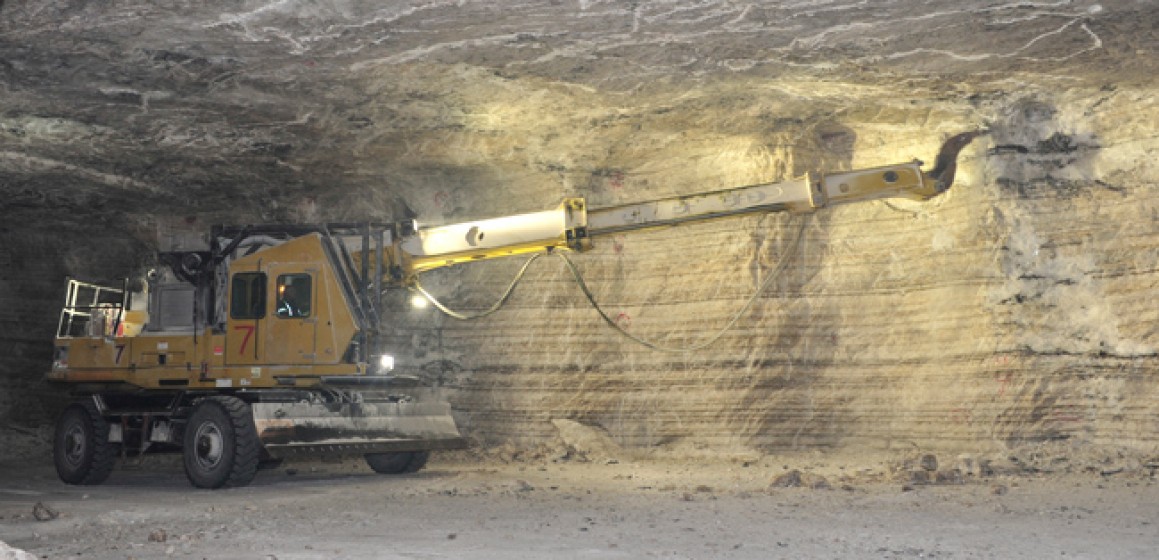
Industrial Sodium Chloride: Why Purity is the Secret to High-Quality Paper Production
1. The Chemistry of Whiteness: Salt and Bleaching
The primary reason paper mills require massive amounts of Industrial Sodium Chloride is for the onsite production of Chlorine Dioxide (
ClO2ClO2
). This is the standard chemical used for “Elemental Chlorine-Free” (ECF) bleaching.
Here is the expert “inside track”: The bleaching process is extremely sensitive to chemical balance. To create Chlorine Dioxide, the salt is typically converted into Sodium Chlorate through electrolysis. If your Industrial Sodium Chloride isn’t pure—specifically if it has high levels of impurities like magnesium, calcium, or iron—the electrolytic cells will not work efficiently.
At Samaunited, we ensure our salt has a Sodium Chloride content of 99% or higher. Why? Because we know that even a tiny percentage of impurity can slow down your bleaching process, meaning your paper won’t reach that premium “high-brightness” white that the UK and global markets demand.
2. Protecting Your Multi-Million Dollar Assets
I often tell our clients: “Buying cheap salt is the most expensive mistake you can make.” Paper mills are home to some of the most expensive machinery in the world. High-purity Industrial Sodium Chloride is essential for protecting these assets.
-
Preventing Scaling: When salt contains high levels of calcium and magnesium, it creates “scale” inside pipes, boilers, and electrolytic cells. This buildup restricts flow and causes the machines to overheat.
-
Avoiding Corrosion: Iron impurities in salt are a major enemy. Iron doesn’t just discolor the paper; it accelerates the corrosion of stainless steel components.
When you source your salt through Samaunited, you are essentially buying an insurance policy for your machinery. We provide the technical data sheets to prove that our salt is low in “insolubles” and “metallic impurities,” ensuring your mill runs smoothly for years without unnecessary maintenance shutdowns.
3. The Impact of Salt Purity on Paper Quality
Let’s talk about the final product. Your customers in the UK and Europe are looking for consistency. If one batch of paper is brilliant white and the next has a slight yellow or grey tint, you lose your “Premium” status.
In many cases, that tint is caused by the salt. If the Industrial Sodium Chloride used in the pulp processing contains trace amounts of organic matter or heavy metals, it can react with the wood fibers during the cooking process. This leads to “dirt specks” or inconsistent shade variations.
By using the high-purity Mediterranean salt that we export at Samaunited, you eliminate these variables. Our solar-evaporated salt is naturally white and free from the contaminants often found in deep-mined rock salt. This allows your mill to produce a consistent, high-grade product that meets the most stringent international standards.
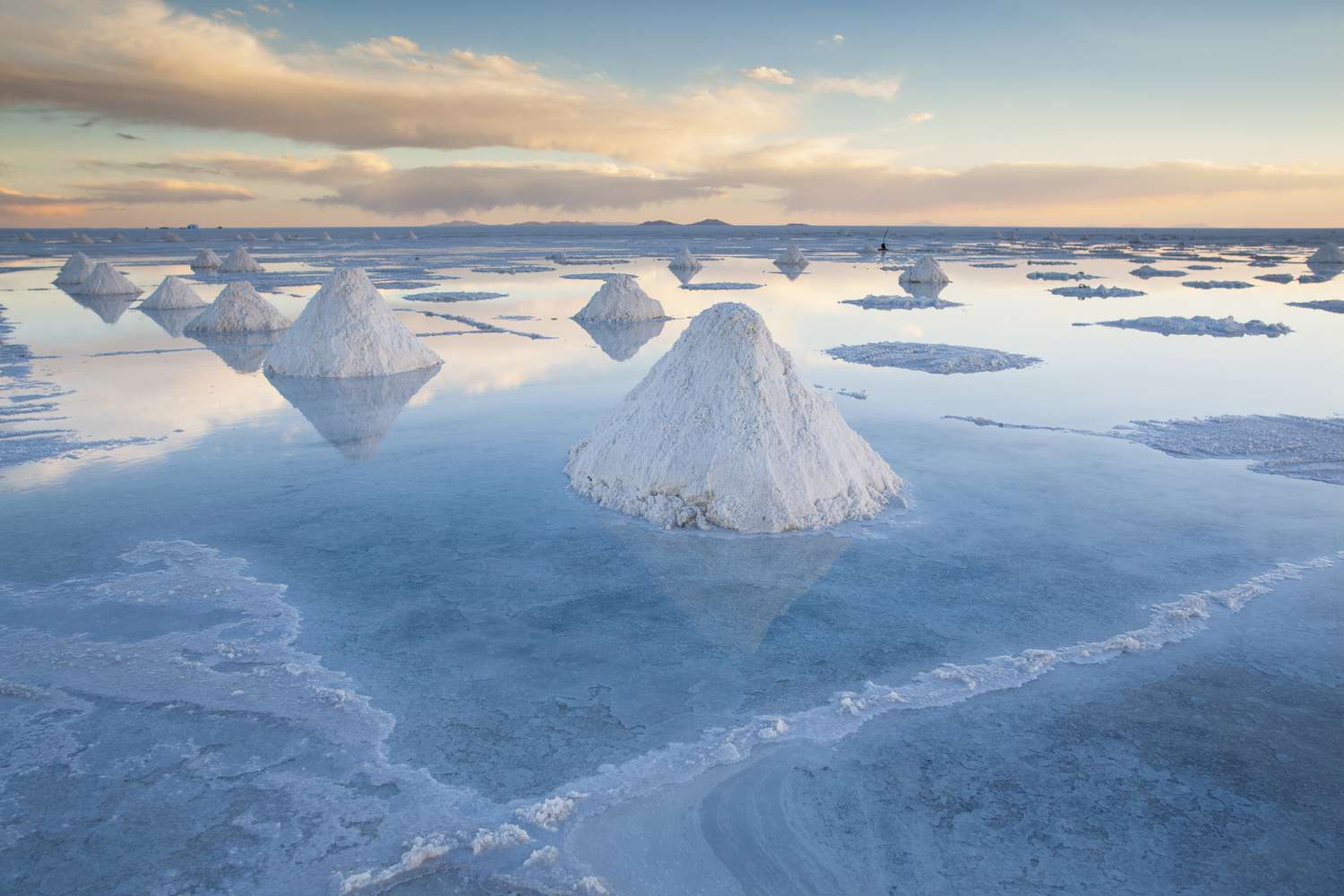
Industrial Sodium Chloride: Why Purity is the Secret to High-Quality Paper Production
4. Sustainability: The New Requirement for Paper Mills
The UK paper industry is under immense pressure to be “Green.” From sustainable forestry to energy-efficient milling, every step of the chain is scrutinized. This extends to your mineral suppliers.
A major advantage of sourcing Industrial Sodium Chloride from Egypt through Samaunited is our production method. Our salt is harvested through solar evaporation. We use the power of the sun and the Mediterranean wind to crystallize the salt, rather than the energy-intensive mining methods used in other parts of the world. By choosing solar-evaporated salt, you are reducing the “embodied carbon” of your final paper product, helping your brand meet its ESG (Environmental, Social, and Governance) goals.
5. Why Samaunited is the Partner of Choice for Global Mills
I am often asked: “What makes Samaunited different from any other exporter?” My answer is simple: We understand the application.
We don’t just ship a product; we understand that a paper mill in the UK has different needs than a detergent factory in Europe. We provide:
-
Custom Gradation: Whether you need a fine grade for rapid brine creation or a coarse grade for specific filtration systems, we can calibrate our screening.
-
Moisture Control: We understand that salt for the paper industry must be free-flowing. We use moisture-resistant packaging to prevent “caking” during the sea voyage from Egypt to the UK.
-
Logistical Reliability: We know that a mill cannot stop. Our supply chain is built for high-volume, on-time delivery to ensure your silos are never empty.
6. Navigating the Logistics: From Alexandria to the UK
Shipping bulk minerals requires expertise. Samaunited manages the entire process from our Egyptian facilities to your preferred port in the UK. We handle the customs documentation, the quality certifications, and the vessel scheduling. We take the complexity out of international trade so you can focus on making paper.
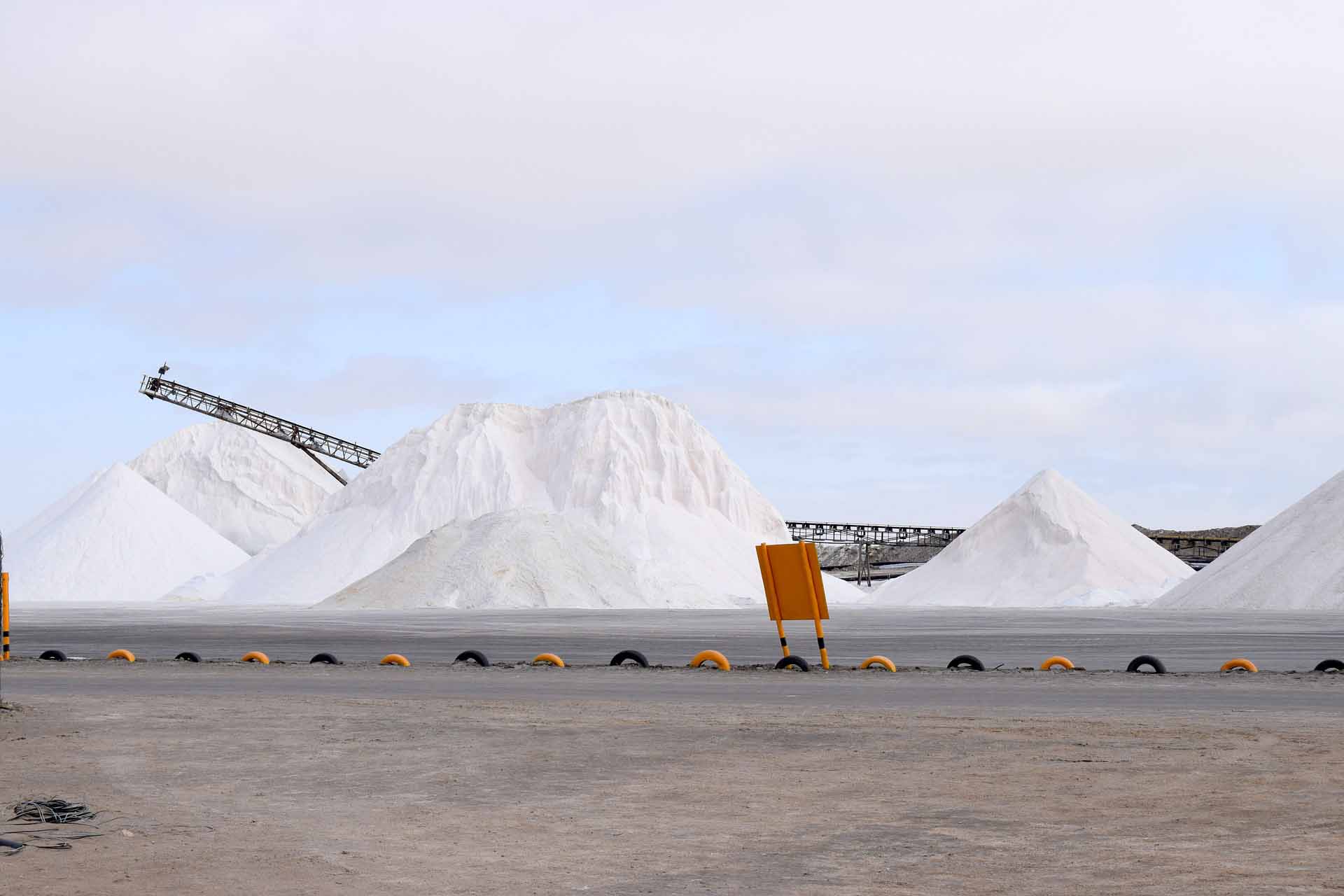
Industrial Sodium Chloride: Why Purity is the Secret to High-Quality Paper Production
Final Thoughts: Elevate Your Pulp and Paper Standards
In the high-stakes world of industrial manufacturing, every detail matters. Salt might be a small part of your total budget, but it has a massive impact on your chemical efficiency, your machine longevity, and your product quality.
High-purity Industrial Sodium Chloride is the foundation of a modern, efficient paper mill. At Samaunited, we are proud to be the bridge between Egypt’s vast mineral wealth and the global paper industry. We invite you to experience the difference that a truly pure, expert-sourced mineral can make for your business.
Is your mill operating at peak efficiency? Don’t let low-grade salt hold you back. Contact the experts at Samaunited today for a technical consultation and a quote for your next bulk shipment. Let’s build a whiter, brighter, and more efficient future together.
by norhan | Dec 28, 2025 | Industrial Salt, Salt
Industrial Rock Salt: Exploring Its Critical Applications in Oil and Gas Drilling In my years of consulting for heavy industries and global trade, I’ve encountered a fascinating point of cognitive dissonance. Many are surprised to learn that one of the most vital components on a multi-billion dollar oil rig is the same mineral found in a kitchen shaker. Yet, in the high-stakes arena of energy extraction, we aren’t sourcing table salt. We are deploying Industrial Rock Salt—a rugged, high-purity engineered mineral designed to perform under extreme pressure and temperature, miles beneath the Earth’s surface.
As an expert at Samaunited, collaborating with drilling engineers and procurement officers from the North Sea to the Gulf, a universal truth emerges: if the salt isn’t right, the entire operation is at risk. Today, I will take you deep into the borehole to demystify the critical, often overlooked, roles of Industrial Rock Salt. Furthermore, I’ll elucidate why sourcing this essential material from a specialist partner like Samaunited is a strategic game-changer for drilling efficiency, cost management, and well integrity.
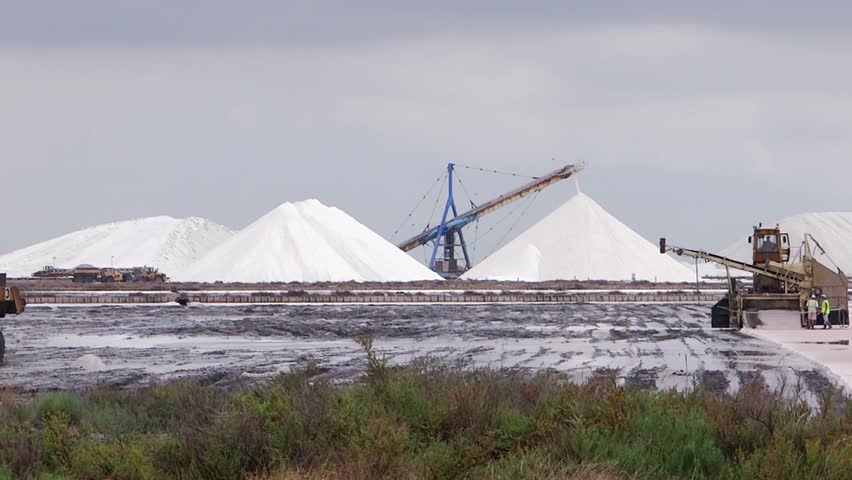
Industrial Rock Salt: Exploring Its Critical Applications in Oil and Gas Drilling
1. The Science of Drilling Fluids: More Than Just “Mud”
The most prevalent application of Industrial Rock Salt lies in formulating drilling fluids, commonly called “muds.” This complex mixture is the lifeblood of the drilling process. As a drill bit grinds through geological strata, it generates immense heat and friction. The drilling fluid is continuously pumped down the drill string to cool the bit, carry rock cuttings (cuttings) to the surface, and, most critically, provide hydrostatic pressure to prevent a catastrophic blowout.
So, why add salt? The answer is shale inhibition. Hydrocarbon deposits are frequently nestled beneath or within layers of water-reactive clay and shale. If a water-based mud is used without proper conditioning, the shale absorbs the water, swells, and destabilizes, collapsing into the wellbore. This can lead to stuck pipe, lost equipment, and costly non-productive time (NPT).
By saturating the drilling fluid with high-purity Industrial Rock Salt, we create a balanced osmotic environment. The high salinity minimizes the differential between the fluid and the formation water, effectively “locking” the shale in place and maintaining a stable wellbore. This isn’t a one-size-fits-all solution; it requires salt with a precise chemical profile. At Samaunited, we provide tailored salt specifications to ensure these complex fluids achieve optimal performance, safeguarding the drill string and the investment.
2. Conquering Salt Formations: Fighting Fire with Fire
Ironically, when drilling through natural salt formations (salt domes or layers), adding more salt to the fluid becomes imperative. If the drilling mud is “under-saturated”—lacking sufficient salt concentration—it will act as a solvent, dissolving the salt walls of the formation. This creates irregular, enlarged cavities known as “washouts,” which can compromise wellbore stability, lead to casing problems, and even cause well collapse.
To prevent this, engineers use Industrial Rock Salt to create a saturated or near-saturated brine. This ensures the fluid is chemically equilibrated, eliminating its capacity to dissolve the formation. This is precision chemistry on a massive scale, demanding a supplier capable of delivering consistent, high-volume loads that meet stringent American Petroleum Institute (API) standards. The reliability and consistency of Samaunited’s product are paramount here, ensuring the fluid properties remain constant throughout the challenging drilling process.
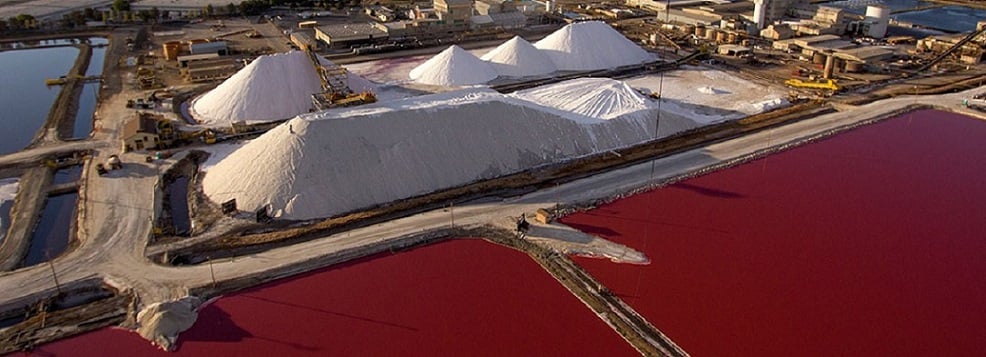
Industrial Rock Salt: Exploring Its Critical Applications in Oil and Gas Drilling
3. Completion Brines: The Critical Finishing Touch
Once drilling is complete, the “completion” phase prepares the well for production. This stage involves running production casing and installing critical downhole hardware. To do this safely and effectively, engineers use clear, solids-free completion brines to displace drilling mud and fill the wellbore.
These brines must be meticulously weighted to exert precise hydrostatic pressure, balancing the reservoir pressure to prevent influx while avoiding damage to the formation. Industrial Rock Salt is a cost-effective and efficient base for formulating these heavy brines. However, purity is non-negotiable. Any undissolved solids (“insolubles”) or impurities—such as calcium, magnesium, or insoluble sediments—can plug the microscopic pore throats of the oil-bearing rock. This formation damage can permanently reduce the well’s permeability and productivity, leaving valuable hydrocarbons trapped underground. Samaunited’s rigorous processing ensures our Egyptian rock salt meets exceptional purity standards, protecting the long-term “health” and economic viability of the well.
4. Cementing and Wellbore Stabilization
Securing the well for its decades-long lifespan requires robust cementing. When steel casing is lowered into the well, it is cemented in place to isolate zones and provide structural integrity. Industrial Rock Salt is a valuable additive to cement slurries, especially when cementing across salt zones or reactive shales.
Its functions are dual: it can act as an accelerator for cement setting in certain conditions, and more importantly, it enhances the bonding properties between the cement, casing, and the formation. In salt zones, a salt-saturated cement slurry prevents the dissolution of the salt face by the cement pore fluid, ensuring a competent, durable seal. This “bridge” between pipe and rock, fortified by quality salt, is fundamental to well integrity and environmental safety.
5. Why Egyptian Industrial Rock Salt is a Global Benchmark
A common question from UK and European procurement managers is: “Why source from Egypt?” The answer is rooted in unparalleled geology. Egypt is endowed with some of the world’s most ancient, pristine, and massive rock salt deposits. These natural resources, formed over millennia, offer intrinsic advantages.
At Samaunited, we harness these reserves to deliver a product that stands out:
-
Exceptionally High NaCl Purity: Maximizes effectiveness in brine saturation and chemical reactions.
-
Minimal Insoluble Content & Impurities: Protects multi-million dollar drilling equipment and sensitive hydrocarbon formations from damage.
-
Massive, Scalable Supply: We possess the capacity and infrastructure to support the largest onshore and offshore projects with consistent, bulk deliveries.
Our strategic position, with access to both Mediterranean and Red Sea ports, allows us to ship efficiently via bulk carriers or containers. This translates to highly competitive lead times to key energy hubs in the UK, Europe, and beyond, making Egyptian rock salt not just a quality choice, but a logistically smart one.
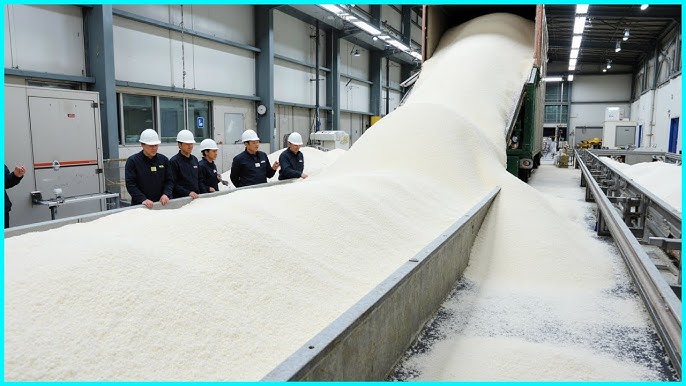
Industrial Rock Salt: Exploring Its Critical Applications in Oil and Gas Drilling
6. Logistics: The Bedrock of Samaunited’s Reliability
In oil and gas, “Downtime” is arguably the costliest term. A rig waiting for a critical material like salt can hemorrhage hundreds of thousands of dollars per day. We operate with this urgency in mind.
Samaunited is not merely a miner; we are integrated logistics experts. We manage the entire supply chain—from extraction at our mines, through processing, to packaging, documentation, and timely shipping. We have a deep understanding of international customs, including UK import requirements, and the critical need for seamless delivery. Whether your operation requires salt in robust, moisture-resistant big bags or in massive bulk quantities, we tailor the delivery method to your rig’s specific handling capabilities.
Conclusion: A Strategic Partnership Forged in Salt
Oil and gas drilling operates at the edge of human and material endurance. It demands resources as resilient and dependable as the professionals on the front lines. Industrial Rock Salt is precisely that—a fundamental material that stabilizes, protects, and enables the extraction of the energy that fuels modern civilization.
At Samaunited, we are proud to be more than a supplier; we are a trusted technical partner to the global energy sector. We bring the mineral wealth of Egypt to the world’s most demanding projects, backed by unwavering expertise and a commitment to quality that matches the stakes of your operations.
If you are focused on optimizing your drilling fluid performance, securing your completion brine supply, or ensuring well integrity through cementing, you need a partner who understands the depth of the challenge.
Does your drilling operation have the mineral support it deserves?
Contact the team at Samaunited today. Let’s discuss your technical specifications and demonstrate why our Industrial Rock Salt is the preferred, reliable choice for leading energy companies worldwide.
by norhan | Dec 27, 2025 | Industrial Salt, Salt
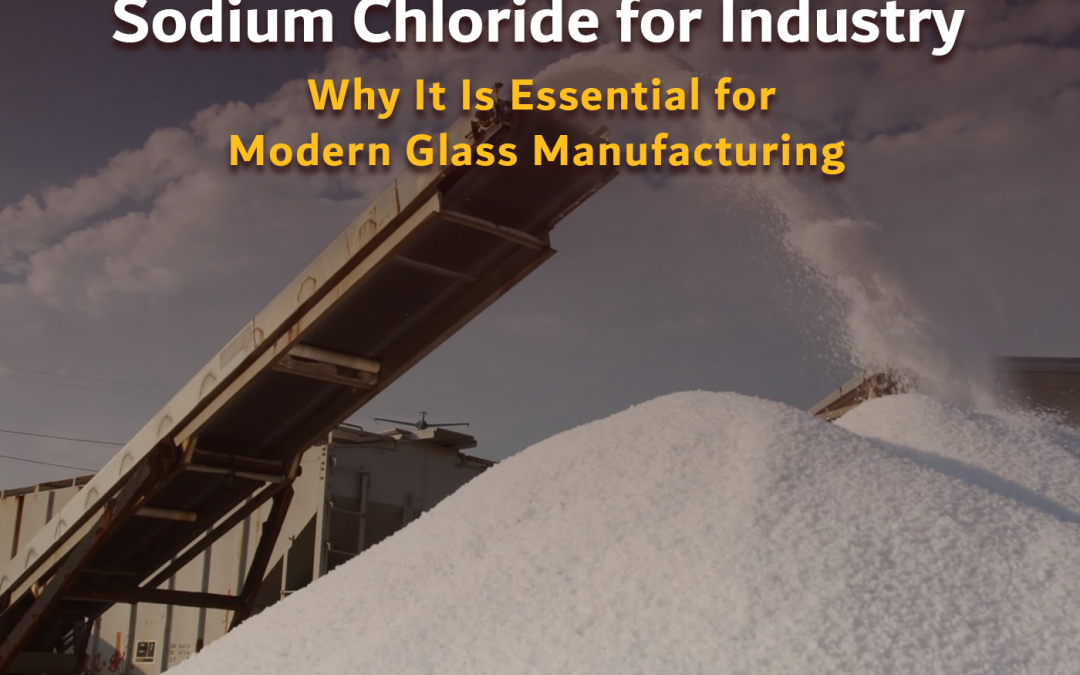
Sodium Chloride for Industry: Why It Is Essential for Modern Glass Manufacturing In my two decades of traveling between mineral extraction sites and high-tech manufacturing hubs, I have found that the most impressive industries are often built on the simplest foundations. When you look at the towering glass skyscrapers of London or the sleek windshield of a modern electric vehicle, you are looking at a masterpiece of chemistry. But behind that transparency and strength lies a raw material that most people never associate with glass: Sodium Chloride for Industry.
As an expert in mineral supply chains at Samaunited, I’ve spent years explaining to procurement managers that while sand (silica) is the body of the glass, salt is its soul. Without high-purity industrial salt, the global glass industry would grind to a halt—or at the very least, become prohibitively expensive. Today, I want to take you through the fascinating journey of how our salt moves from the sun-drenched Egyptian coast to the heart of modern glass production..
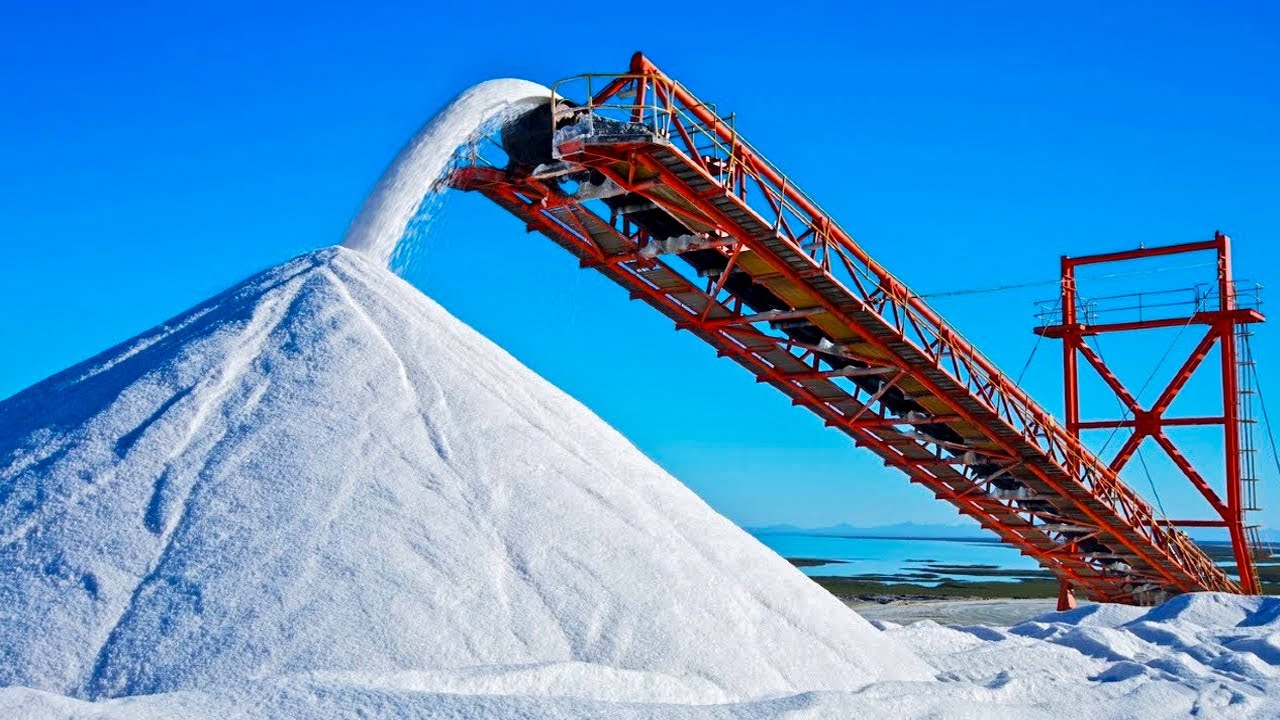
Sodium Chloride for Industry: Why It Is Essential for Modern Glass Manufacturing
Sodium Chloride for Industry: Why It Is Essential for Modern Glass Manufacturing
1. The Chemistry: From Salt to Soda Ash
To understand why Sodium Chloride for Industry is so critical, we have to look at the manufacturing process. Glass is made primarily from silica sand, but silica has an incredibly high melting point (around 1,700°C). Melting sand at that temperature is energy-intensive and extremely costly.
This is where salt comes in. Through the “Solvay Process,” industrial salt is converted into Sodium Carbonate, commonly known as Soda Ash. Soda Ash acts as a “flux”—it lowers the melting point of the silica to around 1,000°C. This 700-degree difference saves massive amounts of energy and allows for the continuous, high-speed production of glass. At Samaunited, we don’t just see ourselves as salt exporters; we see ourselves as the primary feedstock providers for the global glass industry’s energy efficiency.
2. Purity: The Difference Between Clear and Cloudy
In the world of high-end glass—whether it’s for smartphones, laboratory equipment, or luxury perfumes—purity is everything. If the Sodium Chloride for Industry used in the Soda Ash process contains even trace amounts of impurities like iron, magnesium, or calcium, the results can be disastrous.
-
Iron Contamination: Too much iron in the salt can give the glass an unwanted green or yellow tint.
-
Chemical Stability: Impurities can cause “bubbles” or structural weaknesses in the glass ribbon as it cools.
This is why we at Samaunited are so meticulous. We source our salt from the Mediterranean, where the natural solar evaporation process allows us to achieve a Sodium Chloride (NaCl) purity of 99% or higher. We understand that for a glass manufacturer in the UK or Europe, a slight deviation in chemical purity can lead to a rejected batch worth hundreds of thousands of pounds. Our job is to ensure that never happens.
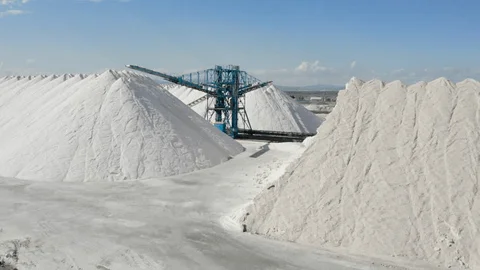
Sodium Chloride for Industry: Why It Is Essential for Modern Glass Manufacturing
3. Sustainability: The Solar Advantage
The modern glass industry is under immense pressure to reduce its carbon footprint. Manufacturers in the UK are constantly looking for ways to make their supply chains “greener.” This is a major reason why Egyptian salt is becoming a preferred choice for Sodium Chloride for Industry.
Unlike mined salt, which requires heavy machinery and deep-shaft electricity, our salt is produced primarily through solar evaporation. We use the power of the Egyptian sun and the Mediterranean wind to crystallize our salt. This low-energy production method means that the “embodied carbon” in our salt is significantly lower than that of rock salt. When you partner with Samaunited, you are choosing a raw material that aligns with modern ESG (Environmental, Social, and Governance) goals.
4. Logistics: Why “Bulk” and “Reliable” Go Hand-in-Hand
Glass furnaces never sleep. They run 24 hours a day, 365 days a year. If a glass plant runs out of Soda Ash—and by extension, the salt needed to make it—the furnace can cool down, causing the molten glass to solidify and potentially destroying the entire production line.
This makes the reliability of your Sodium Chloride for Industry supplier a matter of operational survival. At Samaunited, we have mastered the logistics of moving bulk minerals from Egypt to the UK and Europe. We understand that a delay at the port is not just an inconvenience; it’s a threat to your business.
-
Strategic Stockpiling: We maintain high-capacity storage to ensure we can meet sudden surges in demand.
-
Vessel Management: We work with reliable shipping lines to ensure our bulk salt reaches ports like Felixstowe, Hull, or Liverpool on time, every time.
5. Tailoring the Specification
Every glass plant has its own unique recipe. Some require a specific grain size to ensure the salt dissolves at a precise rate in their brine tanks. Others are more concerned with moisture content to prevent “caking” during the long sea voyage.
As an expert-led company, Samaunited offers a consultative approach. We don’t just send a generic product. We work with your technical team to provide Sodium Chloride for Industry that matches your specific chemical and physical requirements. Whether it’s fine-grain refined salt or coarse solar salt, we calibrate our screening and washing processes to fit your factory’s “standard operating procedures.”
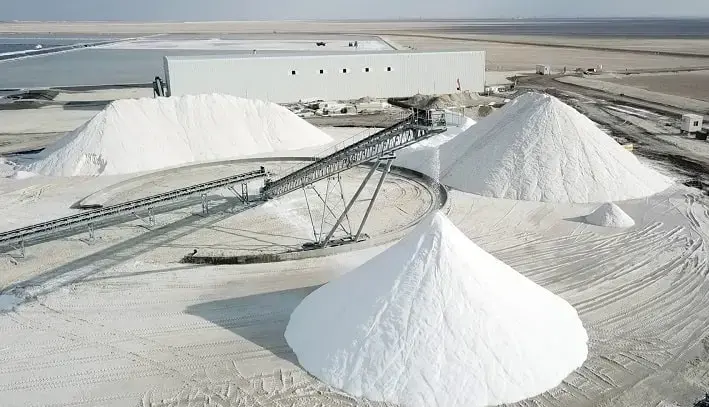
Sodium Chloride for Industry: Why It Is Essential for Modern Glass Manufacturing
Final Thoughts: Building a Transparent Future
The glass industry is an indicator of global economic health. From the vials that held the world’s vaccines to the windows of the newest green buildings, glass is everywhere. And behind every pane of glass is a mountain of salt.
At Samaunited, we are proud to be a link in that chain. We bring the purity of the Egyptian Mediterranean to the global stage, ensuring that modern glass manufacturing remains efficient, sustainable, and crystal clear. If you are looking for a partner who understands the technical nuances of Sodium Chloride for Industry and has the logistical power to back it up, look no further.
Is your glass production optimized for 2026? Let’s talk about how Samaunited can secure your raw material foundation. Contact us today for a technical breakdown and a competitive quote on our bulk industrial salt exports.