by norhan | May 28, 2026 | Industrial Salt, Salt
Industrial salt supply chain optimization is the silent engine that drives profitability in global manufacturing. At Sama United, we have partnered with hundreds of industrial plants, and we have observed a recurring truth: the difference between a struggling production line and a market leader often lies in the efficiency of their raw material flow. Salt, while being a fundamental mineral, presents unique logistical challenges due to its high weight, low unit value, and sensitivity to environmental conditions.
As experts at Sama United, we don’t just see ourselves as a supplier; we see ourselves as architects of your supply chain. We understand that in heavy industry, a delay of 24 hours or a 1% increase in moisture content can result in massive operational setbacks. To stay competitive, businesses must move beyond simple “purchasing” and embrace true industrial salt supply chain optimization. In this masterclass, we will share the strategies we use at Sama United to help our clients streamline their logistics, reduce hidden costs, and secure their production futures.

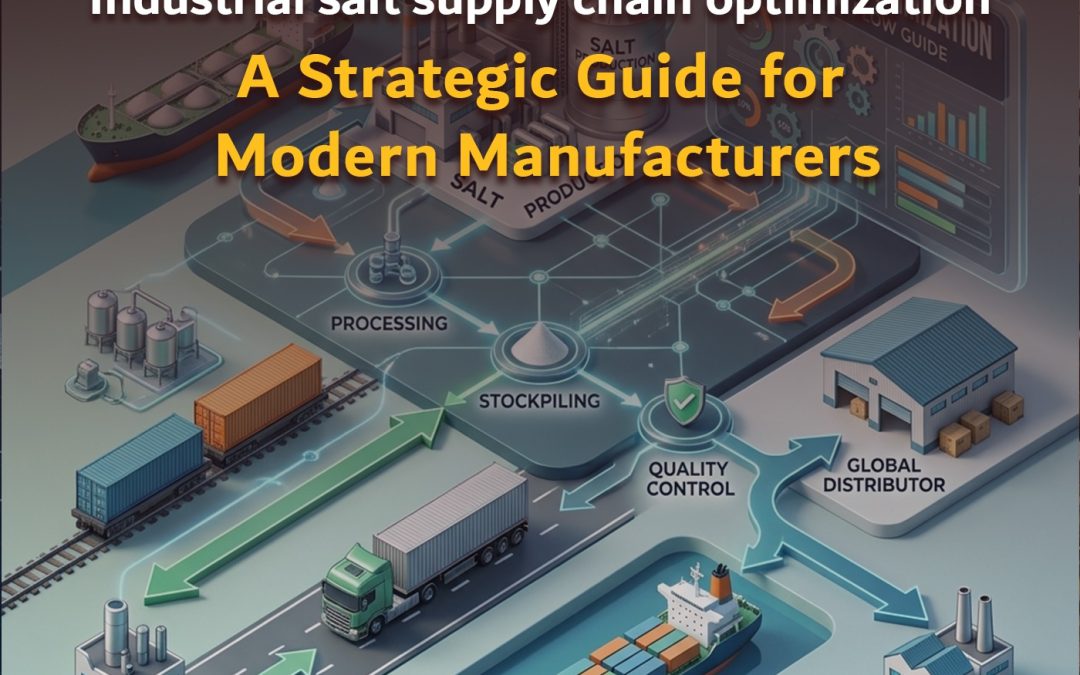
Industrial salt supply chain optimization: A Strategic Guide for Modern Manufacturers
1. Shifting from Transactional to Strategic Sourcing
The first step in industrial salt supply chain optimization is changing how you view your supplier. Many businesses treat salt procurement as a series of isolated transactions, chasing the lowest “spot price” each month. However, this approach often leads to inconsistent quality and shipping delays.
At Sama United, we advocate for a strategic partnership model. By establishing long-term supply agreements, businesses can:
-
Ensure Purity Consistency: When you source from the same refined batches at Sama United, your industrial machinery doesn’t have to adjust to varying mineral profiles.
-
Priority Logistics: Strategic partners are always the first to receive shipments during peak demand seasons or global shipping shortages.
-
Predictable Cash Flow: Fixed-price contracts allow your finance team to project costs with 100% accuracy, regardless of market volatility.
2. Logistics Mastery: Reducing the “Cost per Mile”
Because salt is a high-density, low-cost commodity, the cost of transport often makes up more than 50% of the total delivered price. Therefore, industrial salt supply chain optimization is, at its heart, a logistical challenge.
Our logistics team at Sama United focuses on three key areas to reduce costs:
-
Container Optimization: We ensure that every 20-foot container is loaded to its maximum safe capacity. Moving 27 tons instead of 24 tons in a single container can reduce your per-ton shipping cost by nearly 12%.
-
Intermodal Efficiency: We combine sea freight with rail and road transport. Often, moving salt by rail from a port to an inland warehouse is significantly cheaper and more sustainable than long-haul trucking.
-
Port Selection: We analyze the “Total Landed Cost.” Sometimes, shipping to a slightly further port with lower terminal handling charges (THC) and faster customs clearance is more efficient than the closest port.
3. Inventory Management: The “Just-in-Case” Strategy
The “Just-in-Time” (JIT) inventory model works for electronics, but it can be dangerous for heavy industry minerals. A single port strike or a week of heavy rain at the salt pans can break a JIT chain.
For effective industrial salt supply chain optimization, Sama United recommends a “Strategic Buffer” approach:
-
Safety Stock: Maintain at least 15-30 days of inventory at your facility.
-
Regional Warehousing: We at Sama United utilize strategic hubs to keep stock closer to our clients. This allows for rapid “last-mile” delivery, even if international shipping faces a temporary hiccup.
-
Inventory Tracking: Use digital sensors in your silos to provide real-time data to your procurement team (and to us), ensuring that re-orders are triggered automatically before stock levels become critical.
4. Protecting the Product: Packaging as an Optimization Tool
A supply chain is not optimized if 5% of the product arrives damaged or unusable. Moisture and contamination are the primary enemies of industrial salt.
At Sama United, we use packaging innovation as part of the industrial salt supply chain optimization process:
-
Reinforced Liners: Our 1000kg Big Bags (FIBCs) and 25kg sacks feature moisture-proof PE liners that prevent caking during long sea voyages.
-
UV Stabilization: For clients who store salt outdoors, our bags are treated to withstand solar radiation, preventing bag failure and product loss.
-
Palletization Standards: We use heat-treated pallets and high-tension shrink wrapping to ensure that the salt stays secure during the “vibration and shock” of international transport.
5. Data-Driven Decisions: The Role of the Certificate of Analysis (CoA)
Information flow is just as important as material flow. Industrial salt supply chain optimization requires that your plant engineers know exactly what is in every bag before it is opened.
At Sama United, we provide digital Certificates of Analysis for every batch. This allows your team to:
-
Pre-set Machinery: Adjust brine purification or chemical dosing based on the specific PPM (parts per million) profile of the incoming salt.
-
Ensure Compliance: Maintain a digital “paper trail” for regulatory audits and quality standards like ISO 9001.
-
Batch Traceability: In the rare event of a production issue, you can trace the exact origin of the salt, allowing for rapid troubleshooting.

Industrial salt supply chain optimization: A Strategic Guide for Modern Manufacturers
6. Sustainability: The Green Supply Chain Advantage
Modern industrial salt supply chain optimization must include a focus on sustainability. As global carbon taxes and “Green Procurement” policies become standard, businesses that use eco-friendly chains will win.
Sama United contributes to your sustainability goals by:
-
Solar Sourcing: We prioritize salt harvested via solar evaporation, the lowest-carbon method of salt production.
-
Bulk Transport: Moving 1,000 tons via sea is significantly better for the environment than moving it via hundreds of small trucks.
-
Recyclable Packaging: We are moving toward 100% recyclable PP bags, reducing the environmental impact at the end of the chain.
7. Mitigating Risk: Preparing for Global Disruptions
An optimized chain is a resilient chain. At Sama United, we help our clients build “Redundancy” into their procurement. We don’t rely on a single shipping line or a single port. By diversifying the routes and methods of delivery, we ensure that our clients’ production lines never stop. This proactive risk management is a core component of the service we provide at Sama United.
8. Reducing Administrative Overhead
Many hidden costs in the supply chain are administrative—lost documents, customs delays, and communication gaps. Industrial salt supply chain optimization means simplifying these processes.
As a UK-registered company, Sama United handles the “Red Tape” of international trade. We manage the health certificates, certificates of origin, and bill of lading documentation with professional precision, ensuring that your salt clears customs without expensive storage fees or delays.
9. The Human Factor: Expert Consultation
Software and data are important, but they cannot replace the intuition of a salt expert. At Sama United, we provide a dedicated account manager for every industrial client. This expert understands your specific industry—whether it’s textiles, chemicals, or leather—and can offer advice on grain size, solubility rates, and storage best practices. This human element is the final “polish” on an optimized supply chain.
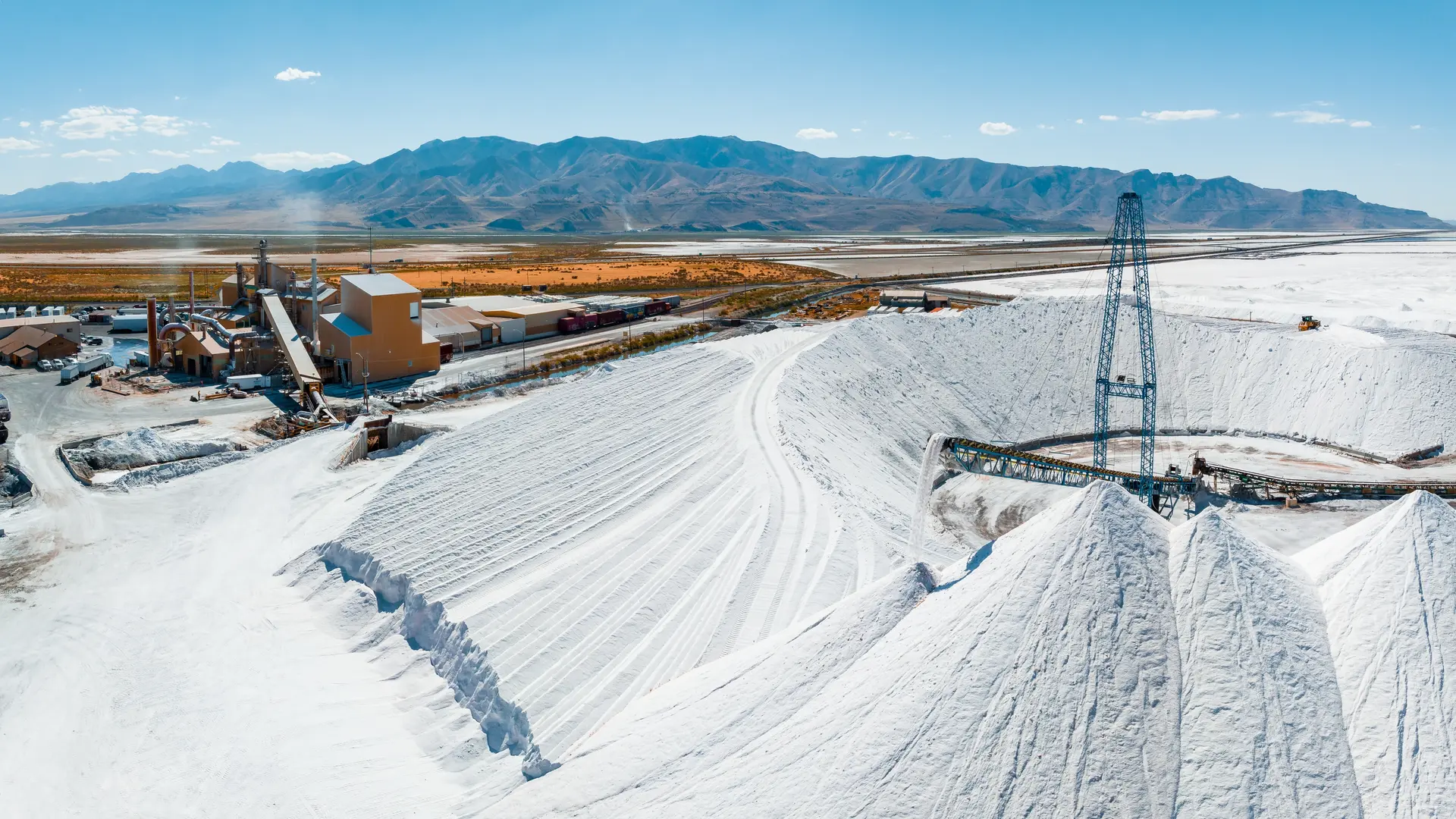
Industrial salt supply chain optimization: A Strategic Guide for Modern Manufacturers
10. Conclusion Industrial salt supply chain optimization : Partnering with Sama United for Success
In conclusion, industrial salt supply chain optimization is not a one-time project; it is a continuous process of improvement. It requires the right partner who has the logistical reach, the technical knowledge, and the commitment to quality that heavy industry demands.
At Sama United, we take the complexity of the salt world and turn it into a streamlined, reliable, and cost-effective solution for your business. We handle the mountains of salt so that you can focus on the mountains of success ahead of you. Don’t let a sub-optimal supply chain hold your business back.
Are you ready to transform your raw material procurement? Contact the experts at Sama United today for a comprehensive supply chain audit and a bulk salt quote that reflects the true value of optimization.

by norhan | May 26, 2026 | Industrial Salt, Salt
Industrial salt price factors are the most frequent subject of discussion in our boardrooms at Sama United. For many procurement managers, the price of salt can seem like a moving target. One month the market is stable, and the next, a ripple in global shipping or a shift in energy policy can send costs fluctuating. At Sama United, we believe that a well-informed client is our most successful partner. We don’t just want to sell you salt; we want you to understand the “why” behind the numbers.
In the world of international trade, salt is often classified as a “high-volume, low-value” commodity. This unique status means that the final price you pay at your warehouse gates is influenced by a delicate balance of logistics, chemistry, and global economics. As experts at Sama United, we’ve spent years deconstructing these variables to provide our clients with the most competitive and transparent pricing possible. In this deep dive, we will peel back the layers of the industry to explore the primary industrial salt price factors and how they impact your bottom line.
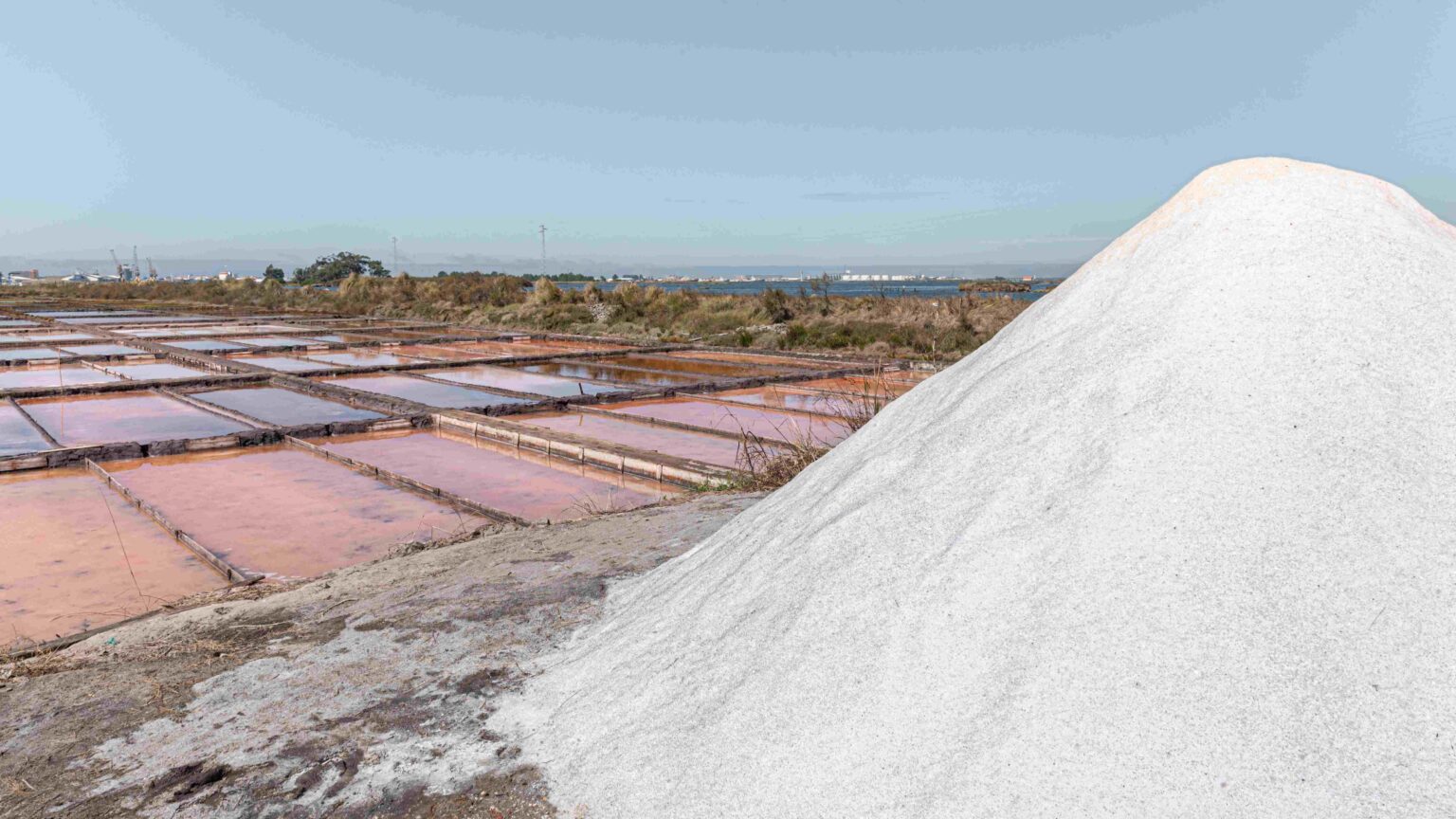
Industrial salt price factors: Navigating the Complexities of the Global Market
1. The Logistics Lever: Why Weight Rules the Price
The single most influential of all industrial salt price factors is logistics. Because salt is heavy and relatively inexpensive per ton, the cost of moving it often exceeds the cost of the material itself.
At Sama United, we often tell our clients: “You aren’t just buying salt; you are buying space on a ship.”
-
Ocean Freight Volatility: Salt is typically moved via bulk carriers or 20-foot containers. If global oil prices rise or if there is a shortage of empty containers (as seen in recent years), the “CIF” (Cost, Insurance, and Freight) price of salt will spike, even if the “FOB” (Free on Board) price at the salt works remains unchanged.
-
Port Efficiency: Some ports have higher “Terminal Handling Charges” (THC) than others. At Sama United, we optimize your pricing by selecting the most efficient shipping routes and ports to minimize these “hidden” costs.
2. Purity and the Cost of Refining
Not all salt is created equal, and the level of refinement is a major component of industrial salt price factors.
-
Solar Salt vs. Vacuum Salt: Solar-evaporated sea salt, while sustainable, requires extensive washing and screening to reach high purity levels. Vacuum-refined salt, on the other hand, involves boiling brine in massive industrial evaporators. The latter is much more energy-intensive.
-
The “PPM” Premium: If your industry (like chlor-alkali or pharmaceuticals) requires salt with ultra-low levels of magnesium or calcium, the additional processing steps will naturally increase the price. At Sama United, we work to find the “purity sweet spot”—ensuring you don’t pay for 99.9% purity if your application only requires 98%.
3. The Energy Connection: An Invisible Cost
It is a common myth that salt production is “free” because it comes from the sea or the ground. In reality, energy is one of the most volatile industrial salt price factors.
Refining, drying, and packaging salt require significant electricity and thermal energy.
-
The Drying Phase: For salt to be “free-flowing,” it must be dried in fluidized bed dryers. If natural gas or electricity prices rise, the cost of producing dry salt increases immediately.
-
Automated Packaging: Large-scale packaging lines at Sama United use advanced robotics and heat-sealing technology. While this increases efficiency, it also makes the production cost sensitive to industrial energy rates.
4. Climatic and Seasonal Impacts: The Sun as a Business Partner
For solar salt producers, the weather is the ultimate board member. The harvest volume is directly tied to evaporation rates, which depend on sunlight, wind, and the absence of rain.
-
Unexpected Rainfall: A heavy rainy season in a major salt-producing region can wash away months of crystallization, leading to a “supply shock.”
-
Harvest Cycles: Salt is typically harvested in specific cycles. If you procure your salt outside of these peak harvest times, you may find that the industrial salt price factors tilt upward due to lower available stock. At Sama United, we help our clients time their bulk purchases to align with the harvest, securing the best possible rates.
5. Geopolitical and Macroeconomic Shifts
As a UK-based company operating globally, Sama United is acutely aware of how international relations affect the market.
-
Currency Fluctuations: Salt is globally traded in US Dollars. If your local currency weakens against the USD, the salt becomes more expensive for you, even if the market price is stable.
-
Trade Tariffs and Policies: Changes in trade agreements or the imposition of anti-dumping duties can overnight transform the pricing landscape. We stay ahead of these shifts, utilizing our global network to source from regions that offer the most favorable trade terms for our clients.

Industrial salt price factors: Navigating the Complexities of the Global Market
6. Packaging Innovations and Material Costs
The “shell” that protects your salt is also a price driver. Most bulk salt is moved in Polypropylene (PP) bags.
-
Polymer Prices: PP is a petroleum-based product. When oil prices rise, the cost of the bags themselves increases.
-
Customization: If you require UV-protected bags, specialized liners for humidity control, or branded printing, these additions will reflect in the final quote. At Sama United, we leverage our bulk buying power for packaging materials to keep these costs as low as possible for our partners.
7. Regulatory Compliance and Certification Costs
The modern industrial world demands proof of quality. Certifications like ISO, HACCP, or REACH compliance are essential for many of our clients in Europe and the UK.
Maintaining these standards requires constant auditing, laboratory testing, and administrative oversight. While these ensure the safety and reliability of the salt you receive from Sama United, they are an inherent part of the industrial salt price factors. We view this not as an “extra cost” but as an “insurance policy” for your production line.
8. Supply and Demand Imbalances
The fundamental law of economics applies to salt just as it does to gold. A sudden surge in demand—for example, a harsh winter increasing the need for de-icing salt—can pull supply away from other industrial sectors.
At Sama United, we mitigate this risk through “Strategic Inventory Management.” By maintaining large reserves and diverse sourcing locations, we protect our regular clients from the “price spikes” that often hit those who rely solely on the spot market.
9. The Impact of Technological Advancements
Innovation can be a double-edged sword when it comes to industrial salt price factors. While new refining technologies (like MVR – Mechanical Vapor Recompression) are more energy-efficient in the long run, the initial capital investment is high. At Sama United, we invest in technology to lower the long-term “per-ton” cost, ensuring that our pricing remains sustainable and competitive for the next decade, not just the next month.
10. Why Partnering with Sama United Simplifies the Equation
With so many moving parts, how can a business effectively manage its salt procurement? The answer is transparency. At Sama United, we don’t just give you a “take it or leave it” price. We break down the quote. We explain the freight market, we show you the purity analysis, and we work with you to find logistical shortcuts.
We pride ourselves on being a “stabilizer” in your supply chain. Our deep understanding of industrial salt price factors allows us to provide:
-
Forward Contracts: Lock in your price today to avoid future volatility.
-
Custom Logistics: Finding the port that saves you the most on inland trucking.
-
Grade Optimization: Ensuring you don’t over-specify and over-pay for purity levels you don’t need.
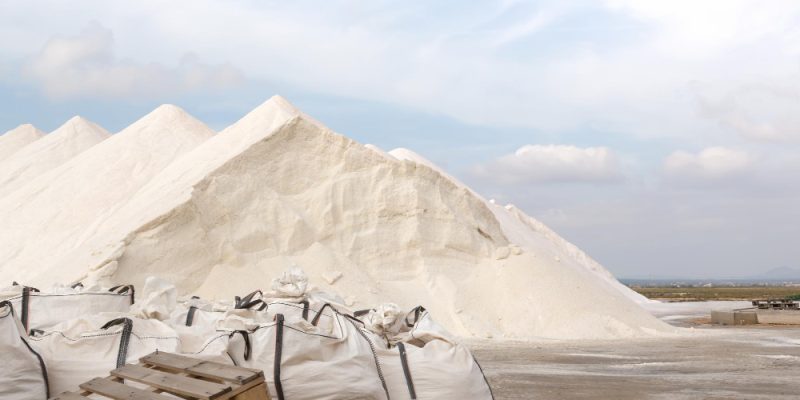
Industrial salt price factors: Navigating the Complexities of the Global Market
Conclusion Industrial salt price factors : Knowledge is Your Greatest Savings Tool
Understanding the industrial salt price factors is the first step toward a more profitable and resilient business. Salt may be a simple mineral, but the global market that surrounds it is anything but simple. By partnering with an expert like Sama United, you gain more than a supplier; you gain a team of analysts, logistics experts, and chemists dedicated to your success.
In the world of heavy industry, the “best price” isn’t always the lowest one—it’s the one that comes with guaranteed quality, reliable delivery, and a transparent partnership. At Sama United, we are committed to providing exactly that. Let us handle the complexities of the global salt market so you can focus on what you do best: building your business.
Ready to gain a competitive edge in your salt procurement? Industrial salt price factors Contact the experts at Sama United today for a transparent, professional quote tailored to your specific industrial needs.

by norhan | May 24, 2026 | Industrial Salt, Salt
Industrial salt market trends 2026 are currently being shaped by a complex interplay of geopolitical shifts, technological advancements, and a global surge in infrastructure development. At Sama United, we have spent the last few years analyzing these patterns to ensure our partners are never caught off guard. As we approach 2026, it is clear that the salt industry is no longer a traditional “slow-moving” sector. Instead, it has become a dynamic field where sustainability and supply chain resilience are the primary drivers of value.
As experts at Sama United, we monitor the global pulse of salinity daily. From the massive chlor-alkali plants in Asia to the sophisticated gourmet markets in Europe, the demand for high-purity salt is reaching record highs. In this strategic outlook, we will explore the pivotal factors that will define the industrial salt landscape in 2026 and explain why Sama United is the partner of choice for companies looking to navigate this evolving market with confidence and precision.
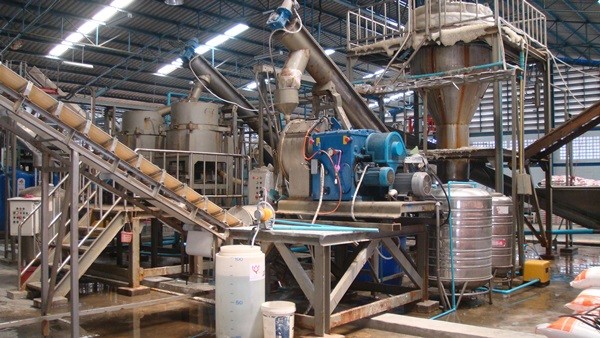
Industrial salt market trends 2026: A Comprehensive Global Outlook
1. The Dominance of the Chlor-Alkali Sector
When analyzing industrial salt market trends 2026, the chlor-alkali industry remains the largest consumer, accounting for over 50% of global demand. This sector, which produces chlorine and caustic soda, is expected to see a significant boost in 2026 due to the global push for infrastructure renewal and the expansion of the plastics industry.
At Sama United, we are preparing for a 3-5% increase in demand from this sector alone. Chlorine is essential for PVC production, which is in high demand for urban construction projects in emerging markets. Meanwhile, caustic soda is critical for the aluminum industry as the world moves toward lightweight electric vehicles. We ensure our chemical-grade salt meets the ultra-high purity standards required for these advanced electrolytic cells.
2. The Sustainability Revolution: “Green Salt” is the New Standard
One of the most defining industrial salt market trends 2026 is the transition toward sustainable production. Consumers and regulators are no longer satisfied with just “cheap” salt; they want “responsible” salt. This shift is driving interest in solar-evaporated sea salt over traditional rock salt mining.
Sama United is at the forefront of this movement. Solar salt production relies on the sun and wind, making it a low-carbon alternative to energy-intensive mining. In 2026, we expect more European and North American manufacturers to demand “Green Salt” as part of their ESG (Environmental, Social, and Governance) reporting. Our commitment to sustainable sourcing ensures that our clients stay ahead of these regulatory requirements while reducing their overall carbon footprint.
3. Regional Growth: Asia-Pacific vs. The Rest of the World
Geographically, the industrial salt market trends 2026 show a clear tilt toward the Asia-Pacific region. China and India continue to be the twin engines of growth, driven by their massive chemical and textile industries. However, a new trend is emerging: the diversification of the supply chain.
At Sama United, we are seeing increased interest from businesses looking for “alternative sourcing” to mitigate geopolitical risks. While Asia remains the consumption hub, the Mediterranean and Middle Eastern regions are becoming critical supply corridors. Sama United’s strategic position allows us to bridge these regions, providing a stable supply of Mediterranean sea salt to markets that were previously over-reliant on a single source.
4. The Impact of Climate Change on De-icing Markets
Climate volatility is making the de-icing salt market increasingly unpredictable. In 2026, we anticipate that municipalities will move toward “Strategic Stockpiling” rather than just-in-time purchasing. The extreme and sudden winter storms of recent years have taught the market a harsh lesson: having salt on hand is a matter of public safety and economic stability.
Sama United supports this trend by offering scalable bulk solutions. Our logistics experts help city planners and road maintenance companies calculate their required reserves, ensuring that they are prepared for the “worst-case scenario” without overpaying for last-minute emergency shipments during a blizzard.
5. Technological Integration: Industry 4.0 in Salt Logistics
As we move into 2026, the way we move salt is changing. Industrial salt market trends 2026 include the widespread adoption of digital tracking and AI-driven logistics.
At Sama United, we are embracing this digital future. Our partners can expect better transparency in their supply chains, with real-time updates on shipping status and purity levels. Digitalizing the procurement process reduces “human error” in documentation—a major cause of port delays—and allows for more efficient container utilization. This technological edge is what allows Sama United to offer more competitive rates despite rising global fuel costs.
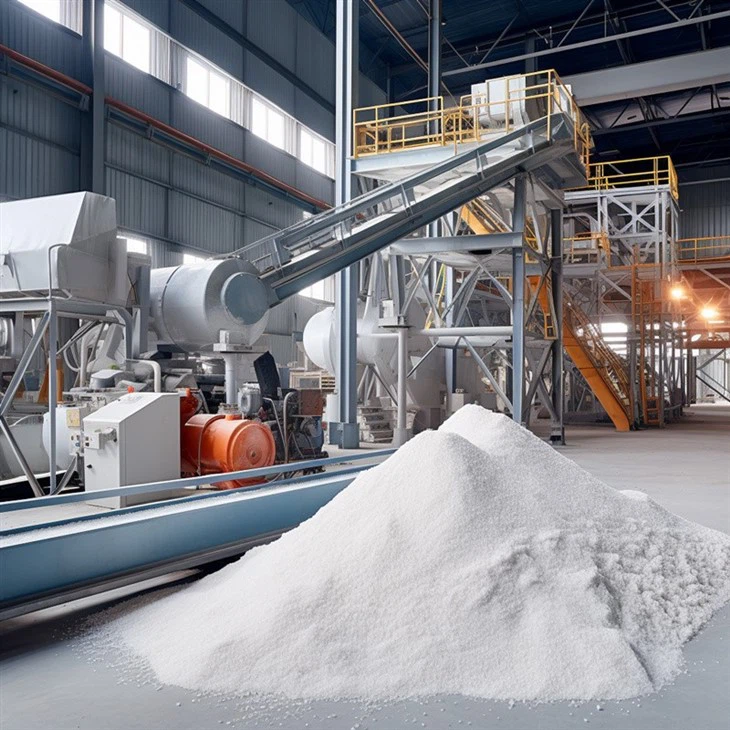
Industrial salt market trends 2026: A Comprehensive Global Outlook
6. Water Treatment: A Growing Priority for a Thirsty Planet
Global water scarcity is a harsh reality, and salt is a primary solution. One of the most important industrial salt market trends 2026 is the growth of the water treatment sector. From industrial water softening to desalination and brine electrolysis, salt is essential for clean water.
Sama United provides specialized high-purity salt tablets and crystals for large-scale water treatment plants. As cities invest more in water recycling and desalination in 2026, we expect this segment to become one of the fastest-growing parts of our portfolio. We are proud to provide the minerals that ensure access to safe, clean water for millions of people.
7. Price Volatility and Strategic Hedging
Inflationary pressures and fluctuating freight rates mean that price stability will be a major concern in 2026. At Sama United, we advise our clients to look beyond the “spot price” and consider long-term contract structures.
Buying through Sama United allows businesses to hedge against market volatility. By securing a 12-month supply at a fixed rate, companies can stabilize their production costs, which is a massive competitive advantage in a high-inflation environment. We don’t just sell salt; we provide financial predictability for your manufacturing operations.
8. Purity Standards: The Move Toward “Technical Excellence”
The days of “salt is salt” are long gone. In 2026, industrial machinery is becoming more sophisticated and, as a result, more sensitive to impurities. Whether it’s in the textile, leather, or pharmaceutical industry, the demand is for “Technical Grade” salt.
Sama United is meeting this trend by investing in better refining and testing protocols. Our 2026 quality standard ensures that even our industrial-grade salt exceeds many of the standards set by competitors. By reducing the parts-per-million (PPM) of contaminants like magnesium and calcium, we help our clients extend the life of their expensive industrial machinery.
9. The Gourmet Influence on Industrial Branding
Interestingly, the rise of the gourmet salt market is influencing industrial trends. Brands that use “Natural Sea Salt” in their products are seeing higher consumer trust and better price points. Even in large-scale food manufacturing, the shift toward “Clean Label” salt is a significant part of the industrial salt market trends 2026.
At Sama United, we provide the link between “Artisanal Purity” and “Industrial Scale.” We can provide thousands of tons of high-quality sea salt that allows a brand to claim “100% Mediterranean Sea Salt” on their packaging, adding tangible marketing value to their product.
10. The Sama United Vision for 2026 and Beyond
Industrial salt market trends 2026 As a UK-registered company with a global reach, Sama United is uniquely positioned to handle the challenges of 2026. Our vision is to be the most reliable, transparent, and sustainable salt supplier in the world. We are expanding our warehouse capabilities, strengthening our shipping partnerships, and continuing to innovate in our packaging solutions.
We understand that our success is tied to the success of our clients. In 2026, as the world becomes more complex, having a simple, honest, and expert partner like Sama United will be more important than ever. We handle the complexities of the global salt market so that you can focus on growing your business.
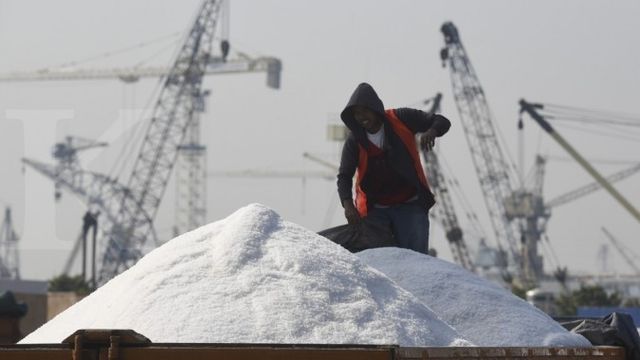
Industrial salt market trends 2026: A Comprehensive Global Outlook
Conclusion Industrial salt market trends 2026 : Partnering for a Stronger Future
The industrial salt market trends 2026 point toward a year of both challenge and opportunity. While the logistics are becoming more complex and the regulations stricter, the rewards for those who choose the right partners are immense. Salt is the foundation of modern civilization—it’s in our chemicals, our water, our food, and our infrastructure.
At Sama United Industrial salt market trends 2026 , we are ready for the future. We invite you to experience the difference that expert market insight, uncompromising quality, and dedicated service can make. Let us help you secure your supply chain and optimize your production for the year ahead.
Are you ready to secure your 2026 salt supply? Contact the strategic experts at Sama United Industrial salt market trends 2026 today for a personalized market consultation and a bulk quote tailored to your business goals.

by norhan | May 22, 2026 | Industrial Salt, Salt
Industrial salt for leather tanning is the silent architect behind every high-quality leather product, from luxury Italian handbags and sleek automotive interiors to heavy-duty industrial footwear. At Sama United, we have partnered with tanneries across the globe, and we have seen firsthand that while the artistry of leather making lies in the hands of the craftsman, the science of leather preservation and preparation lies in the quality of the salt. In the high-stakes world of leather production, salt is not just a chemical additive; it is a fundamental preservation agent and a critical regulator of the tanning process.
As experts at Sama United, we understand that the leather industry operates on a razor-thin margin between a premium hide and a wasted one. A single batch of poorly preserved skins can result in massive financial losses and damage a brand’s reputation for quality. This is why choosing the right industrial salt for leather tanning is the most important decision a tannery manager can make. In this comprehensive guide, we will explore the dual role of salt in leather production—curing and pickling—and explain why the purity standards at Sama United are the gold standard for the international leather trade.
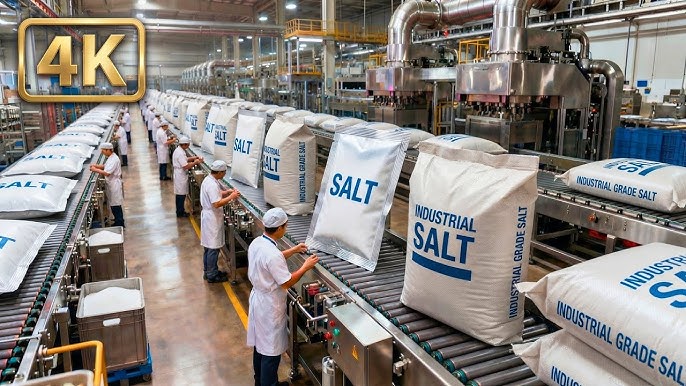
Industrial Salt for Leather Tanning: The Secret Ingredient for Premium Leather Production
1. The First Line of Defense: Salt Curing and Preservation
The journey of leather begins at the abattoir. Once a hide is removed from the animal, it is highly susceptible to bacterial decay and decomposition. Within hours, enzymes and microbes begin to break down the collagen fibers, leading to “hair slip” and rot.
This is where industrial salt for leather tanning performs its first miracle. Through a process known as “Curing,” salt acts as a powerful dehydrating agent. At Sama United, we explain the science as follows:
-
Osmotic Pressure: When salt is applied to a raw hide, it creates a high-concentration environment that draws moisture out of the skin through osmosis.
-
Dehydration: By removing water, the salt deprives bacteria of the environment they need to survive and reproduce.
-
Protein Stabilization: Salt helps stabilize the protein structure of the skin, essentially “freezing” the biological clock of the hide until it can be transported to the tannery.
Whether using “Dry Salting” or “Wet Brining,” the quality of the salt determines the effectiveness of the preservation. Sama United provides ultra-pure industrial salt that ensures a deep, even penetration, protecting the hide from the inside out.
2. The Pickling Process: Preparing the Hide for Tanning
Once the hides arrive at the tannery and are cleaned, they move into the “Pickling” stage. This is perhaps the most technical application of industrial salt for leather tanning.
Pickling is the process of acidifying the hides to prepare them for the entry of tanning agents (like chromium or tannins). However, if you simply add acid to a hide, it will undergo “acid swelling,” which ruins the fiber structure. Salt is the essential buffer that prevents this.
-
Controlling Swelling: High concentrations of salt in the pickling bath create an osmotic balance that prevents the acid from over-hydrating the skin fibers.
-
pH Management: Salt ensures that the acidification process happens uniformly, allowing the tanning chemicals to penetrate the full thickness of the hide rather than just the surface.
At Sama United, we provide specific chemical-grade salts designed for pickling, ensuring that your hides remain flat, receptive, and structurally intact for the tanning stage.
3. Why Purity is Non-Negotiable in Tanning
A common misconception in the industry is that “raw rock salt” is sufficient for leather. At Sama United, we strongly advise against this. Impurities in low-grade salt can cause irreversible damage to the leather:
-
Iron Contamination: Even trace amounts of iron in the salt can react with tanning agents to cause dark, indelible stains on the leather surface.
-
Calcium and Magnesium: High levels of water-hardness minerals can cause “salt spew” (white crystalline patches) or interfere with the penetration of fats and dyes.
-
Insoluble Matter: Sand or grit in the salt can physically scratch the delicate grain of the hide during the tumbling process in the drums.
By sourcing industrial salt for leather tanning from Sama United, you are guaranteed a refined product that is free from these harmful contaminants, ensuring a clean, uniform finish on every hide.
4. Grain Size and Solubility: The Functional Edge
Different stages of leather production require different salt textures.
-
Coarse Grain Salt: Preferred for dry salting (curing), as it dissolves slowly over several days, providing a steady osmotic draw that doesn’t “burn” the skin.
-
Fine Grain Salt: Essential for the pickling bath, where rapid and complete solubility is required to ensure a uniform chemical concentration in the tanning drum.
Sama United offers a variety of granulometries to suit every stage of the tannery’s workflow. Our experts can help you select the exact grain size that optimizes your specific production machinery and hide types.
5. Economic Efficiency: Reducing Waste and Increasing Yield
In large-scale leather production, efficiency is the key to profitability. Using high-purity industrial salt for leather tanning from Sama United actually reduces your total operational costs.
-
Faster Processing: Pure salt dissolves more predictably, reducing the time hides spend in the drum.
-
Higher Yield: By preventing rot and chemical staining, you maximize the number of “Grade A” hides from every shipment.
-
Reduced Chemical Use: When the salt works efficiently, you often need fewer expensive additives to correct the pH or manage water hardness.
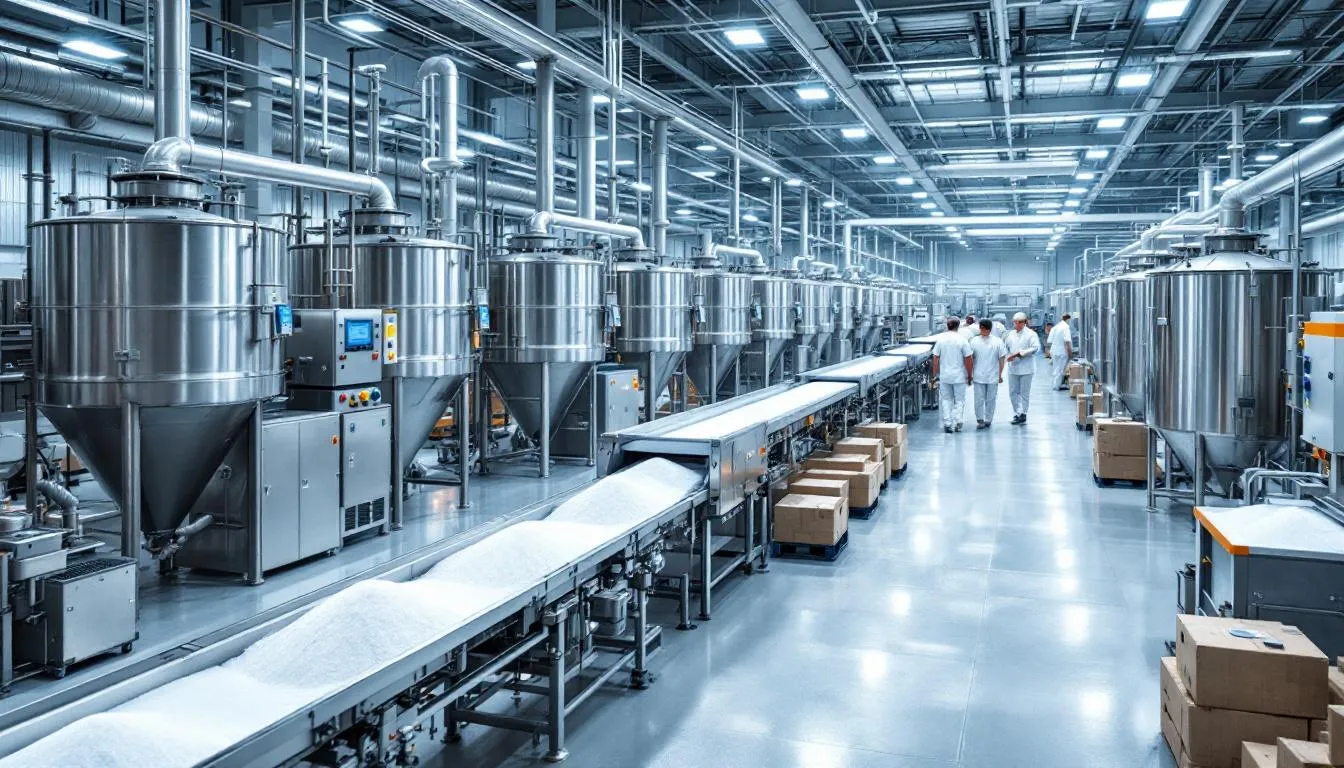
Industrial Salt for Leather Tanning: The Secret Ingredient for Premium Leather Production
6. Environmental Responsibility: Managing Salinity in Wastewater
The leather industry is under intense scrutiny for its environmental impact. A major challenge is the management of salt in tannery effluent. At Sama United, we are committed to sustainable solutions.
-
High-Efficiency Salt: Because our salt is more effective, tanneries can often use a lower volume to achieve the same preservation results.
-
Clean Label Sourcing: We prioritize salt that is harvested using solar evaporation, which has a lower carbon footprint than traditional mining.
-
Partnership in Recycling: We work with modern tanneries that are implementing salt-recovery systems, providing the high-quality mineral foundation required for successful recycling loops.
7. The Sama United Logistics Advantage ( Industrial Salt for Leather Tanning)
Exporting industrial salt for leather tanning requires a partner who understands the logistics of weight and moisture. Salt is a heavy cargo, and if it becomes clumped during transit, it becomes difficult for tanneries to dose correctly.
Sama United ensures:
-
Moisture-Proof Packaging: We use heavy-duty 25kg or 1000kg bags with reinforced liners to protect against humidity during sea freight.
-
Reliable Global Supply: We understand the seasonal nature of hide production and ensure that your warehouse is never empty.
-
UK-Based Professionalism: As a company registered in the UK (Sama United Ltd), we operate with the highest standards of transparency, contract reliability, and international trade compliance.
8. Common Myths: Is “Hide Salt” the Same as “Road Salt”?
We often encounter tanneries that have tried to use de-icing salt because it is cheap. This is a dangerous mistake. De-icing salt often contains high levels of clay, sand, and anti-caking agents that are not food or leather safe. These impurities can cause “salt stains” that only appear months later, after the leather has already been made into a finished product. At Sama United, we provide salt specifically refined for industrial chemical use, ensuring your leather is protected from the molecular level up.
9. Case Study Industrial Salt for Leather Tanning : Solving the “Purple Stain” Mystery
A client in South America was facing a high rejection rate for their light-colored leathers due to mysterious purple spots. Our team at Sama United analyzed their previous salt supply and found high levels of copper. We switched them to our high-purity industrial salt for leather tanning, and the staining stopped immediately. This is the value of a technical partner who understands the chemistry of the drum.
10. The Future of Industrial Salt for Leather Tanning in the Leather Industry
As the leather industry moves toward “Metal-Free” and “Chrome-Free” tanning, the role of salt becomes even more critical. These new tanning methods are even more sensitive to mineral imbalances and pH fluctuations. Sama United is already innovating in this space, providing ultra-pure salt solutions that support the next generation of eco-friendly leather production.
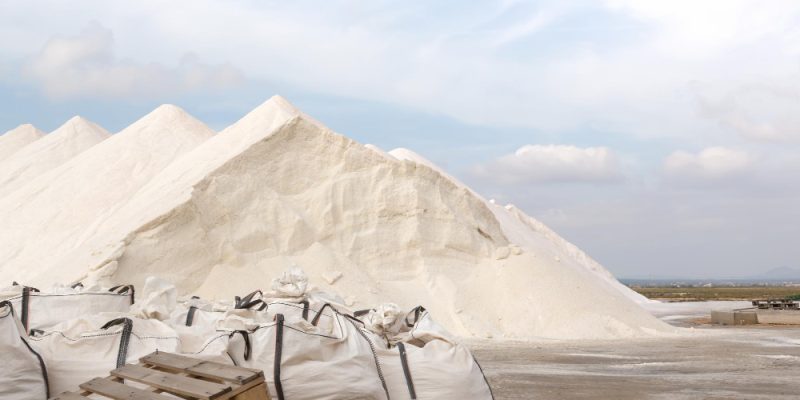
Industrial Salt for Leather Tanning: The Secret Ingredient for Premium Leather Production
Conclusion Industrial Salt for Leather Tanning : Partnering for Leather Excellence
In conclusion, industrial salt for leather tanning is much more than a simple commodity. It is the guardian of the hide’s integrity, the regulator of the tanning drum, and the key to a flawless leather finish. By choosing Sama United, you are choosing a partner who understands the heritage and the science of your industry.
Don’t let your craftsmanship be undermined by poor-quality salt. Let the experts at Sama United provide the mineral foundation your hides deserve. From the first salting at the source to the final pickle in the drum, we are with you every step of the way.
Are you ready to elevate the quality of your leather production? Contact Sama United today for a technical consultation and a customized quote for your bulk industrial salt needs.
by norhan | May 20, 2026 | Industrial Salt, Salt
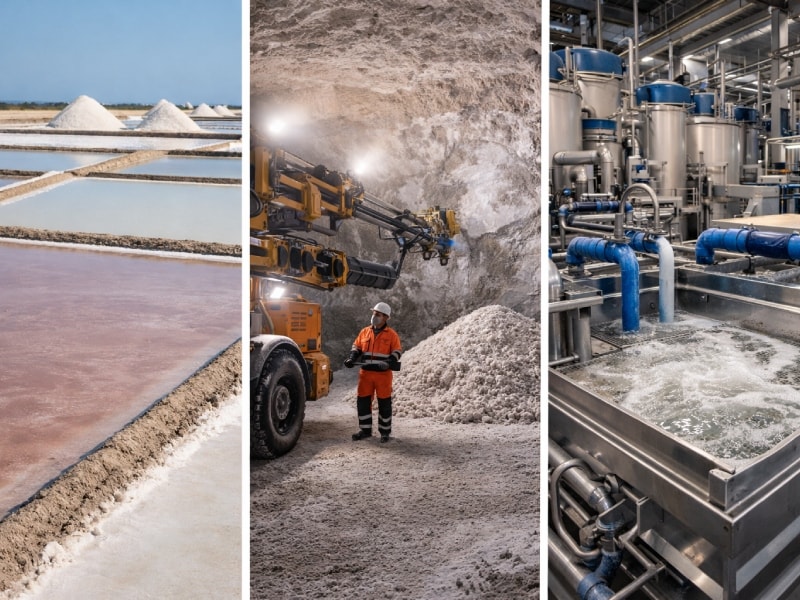
Bulk industrial salt procurement is often the silent engine behind the successful scaling of heavy industry operations. At Sama United, we have worked with global manufacturers across the chemical, textile, and energy sectors, and we have observed a consistent pattern: businesses that treat salt as a strategic asset rather than a simple commodity are the ones that dominate their markets. When your production lines consume thousands of tons of sodium chloride annually, the way you source that material becomes just as important as the quality of the material itself.
As experts at Sama United, we understand that moving from small-scale purchasing to large-scale industrial procurement is a major milestone for any business. It requires a shift in mindset—from focusing on the price per bag to focusing on supply chain resilience, purity consistency, and logistical efficiency. In this comprehensive guide, we will explore the strategic advantages of bulk industrial salt procurement and how Sama United acts as the bridge that allows heavy industry players to scale their operations with confidence and profitability.
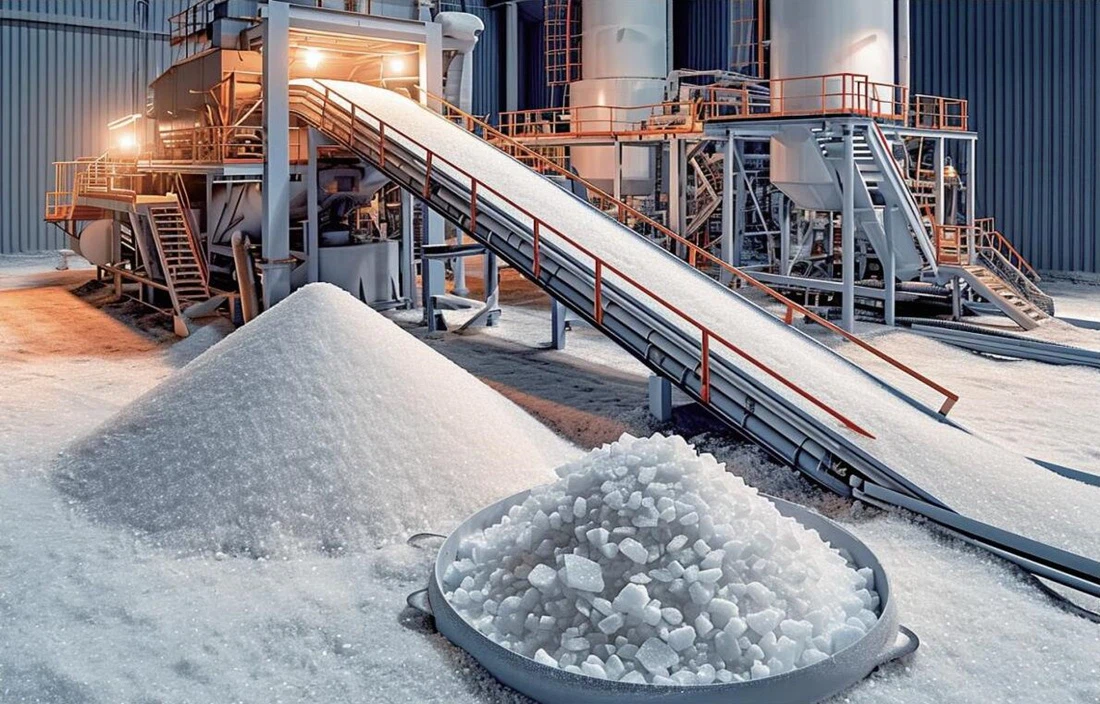
Bulk industrial salt procurement: Scaling Your Business for Heavy Industry Success
1. The Economics of Scale: Why Bulk is a Competitive Necessity
In heavy industry, margins are often thin, and the cost of raw materials can be volatile. Bulk industrial salt procurement is the most effective way to protect your bottom line. At Sama United, we explain the “Scale Advantage” through three key economic factors:
-
Reduced Unit Costs: Buying in bulk—whether in 1,000kg Big Bags or loose bulk containers—drastically reduces the packaging and handling costs that small-scale buyers must pay.
-
Price Hedging: In a world of fluctuating energy and shipping costs, securing a large-volume contract with Sama United allows you to “lock in” your raw material costs for months or even years.
-
Minimized Operational Downtime: There is nothing more expensive than an idle factory. Bulk procurement ensures you have a strategic reserve of salt, preventing production stops caused by minor supply chain delays.
2. Identifying the Right Grade for Your Industrial Application
When you are scaling up, “salt is not just salt.” Different heavy industries have vastly different technical requirements. At Sama United, our technical team consults with procurement managers to ensure they are choosing the right salt for their specific machinery:
-
Chlor-Alkali and Plastics: Requires ultra-high purity “Electrolysis Grade” salt to protect delicate membranes.
-
Textile Dyeing: Requires high-purity salt with low calcium and magnesium to ensure level dyeing and prevent machine scaling.
-
Oil and Gas: Uses specific grain sizes for drilling muds and well completion fluids.
-
De-icing and Road Safety: Requires high-volume, cost-effective rock salt with specific granulometry for spreadability.
Sama United provides a diverse portfolio, ensuring that your bulk industrial salt procurement is perfectly aligned with your technical needs.
3. Logistical Excellence: The Backbone of Heavy Industry
The biggest challenge in bulk industrial salt procurement is not the salt itself, but moving it. A single 20-ton shipment is easy; managing a 5,000-ton-per-month supply chain is a feat of engineering.
At Sama United, our logistics department is specialized in:
-
Container Optimization: We use advanced loading patterns to ensure every container is utilized to its maximum safe weight limit, reducing your shipping cost per ton.
-
Intermodal Transport: We combine sea freight, rail, and trucking to create the most efficient “Last Mile” delivery to your factory gates.
-
Vapor-Barrier Packaging: For industrial plants in high-humidity regions, we provide specialized moisture-proof liners to ensure the salt remains free-flowing even after weeks on the ocean.
4. Quality Assurance at Scale: The Risk of Impurities
When scaling your business, the stakes for quality control are higher. If you buy a few bags of salt and one is “dirty,” it’s a minor nuisance. If you receive a 500-ton shipment of salt with high magnesium levels, it can ruin your entire production batch and damage your industrial boilers or electrolytic cells.
Sama United eliminates this risk through rigorous testing. Every shipment involved in our bulk industrial salt procurement services comes with a detailed Certificate of Analysis (CoA). We monitor for:
-
Insoluble Matter: Sand or grit that can clog industrial pumps.
-
Chemical Purity: Ensuring NaCl levels meet your specific PPM (parts per million) requirements.
-
Consistency: Ensuring that the grain size in the first bag is the same as the grain size in the thousandth bag.
5. Sustainability in Bulk Procurement: Doing More with Less
Modern heavy industry is increasingly focused on reducing its carbon footprint. Interestingly, bulk industrial salt procurement is a much “greener” way to operate.
-
Packaging Waste: Moving salt in 1000kg Big Bags instead of forty 25kg bags drastically reduces plastic waste.
-
Transport Efficiency: Fewer, larger shipments mean less fuel consumed and lower CO2 emissions per ton of delivered product.
-
Sourcing Responsibility: At Sama United, we prioritize salt harvested through traditional solar evaporation, which uses 100% renewable energy (sun and wind), making your entire supply chain more sustainable.
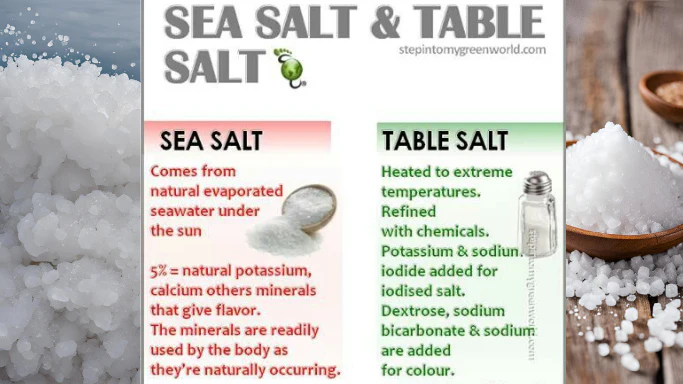
Bulk industrial salt procurement: Scaling Your Business for Heavy Industry Success
6. Building a Strategic Partnership with Sama United
Many companies treat their salt supplier as a simple vendor. However, the most successful heavy industry players treat Sama United as a strategic partner.
As your business scales, your needs change. Our role at Sama United is to adapt alongside you. We offer:
-
Customized Lead Times: We help you forecast your needs based on your production schedule.
-
Global Market Insights: We keep you informed about global salt harvest trends and shipping fluctuations so you can make informed procurement decisions.
-
Technical Troubleshooting: If your production line is facing issues with brine concentration or sediment, our experts are here to help you solve it.
7. Navigating the “Hidden Costs” of Procurement
In our years at Sama United, we’ve seen businesses struggle with the hidden costs of international trade—customs duties, port storage fees, and documentation errors. Part of our bulk industrial salt procurement service is handling the “invisible work.” We ensure all health and origin certificates are perfectly in order, preventing the “Red Tape” that can slow down your business scaling. When you work with us, you aren’t just buying salt; you are buying a streamlined, professional process.
8. The Future: Digital Procurement and Automation
As heavy industry enters the “Industry 4.0” era, Sama United is looking toward the future. We are exploring ways to integrate our supply chain with our clients’ inventory management systems. Imagine a future where your salt silo “talks” to our warehouse, automatically triggering a bulk industrial salt procurement order when your stock reaches a certain level. This level of automation is what allows a business to scale without increasing its administrative overhead.
9. Common Myths: Is Buying Bulk Riskier?
Some managers worry that buying in bulk increases the risk of loss due to clumping or contamination. At Sama United, we prove the opposite. By utilizing high-quality liners, UV-protected bags, and professional palletization, we ensure that bulk-stored salt remains in better condition than salt stored in small, flimsy bags. With the right partner, bulk is not a risk; it is a security measure.
Bulk industrial salt procurement: Scaling Your Business for Heavy Industry Success
10. Conclusion Bulk industrial salt procurement : Scaling Your Vision with Sama United
In conclusion, bulk industrial salt procurement is the foundation upon which heavy industry success is built. It is the key to lowering costs, ensuring quality, and building a resilient production line that can handle the demands of a growing business.
At Sama United, we don’t just see ourselves as a salt supplier; we are the foundation of your production. We are the purity in your chemicals, the strength in your textiles, and the stability in your supply chain. If you are ready to take your business to the next level, you need a partner who understands the weight of your goals. Let Sama United provide the minerals you need to build the future.
Are you ready to optimize your raw material supply and scale your industrial operations? Contact the experts at Sama United today for a customized bulk procurement quote and a technical consultation.
by norhan | May 18, 2026 | Industrial Salt, Salt
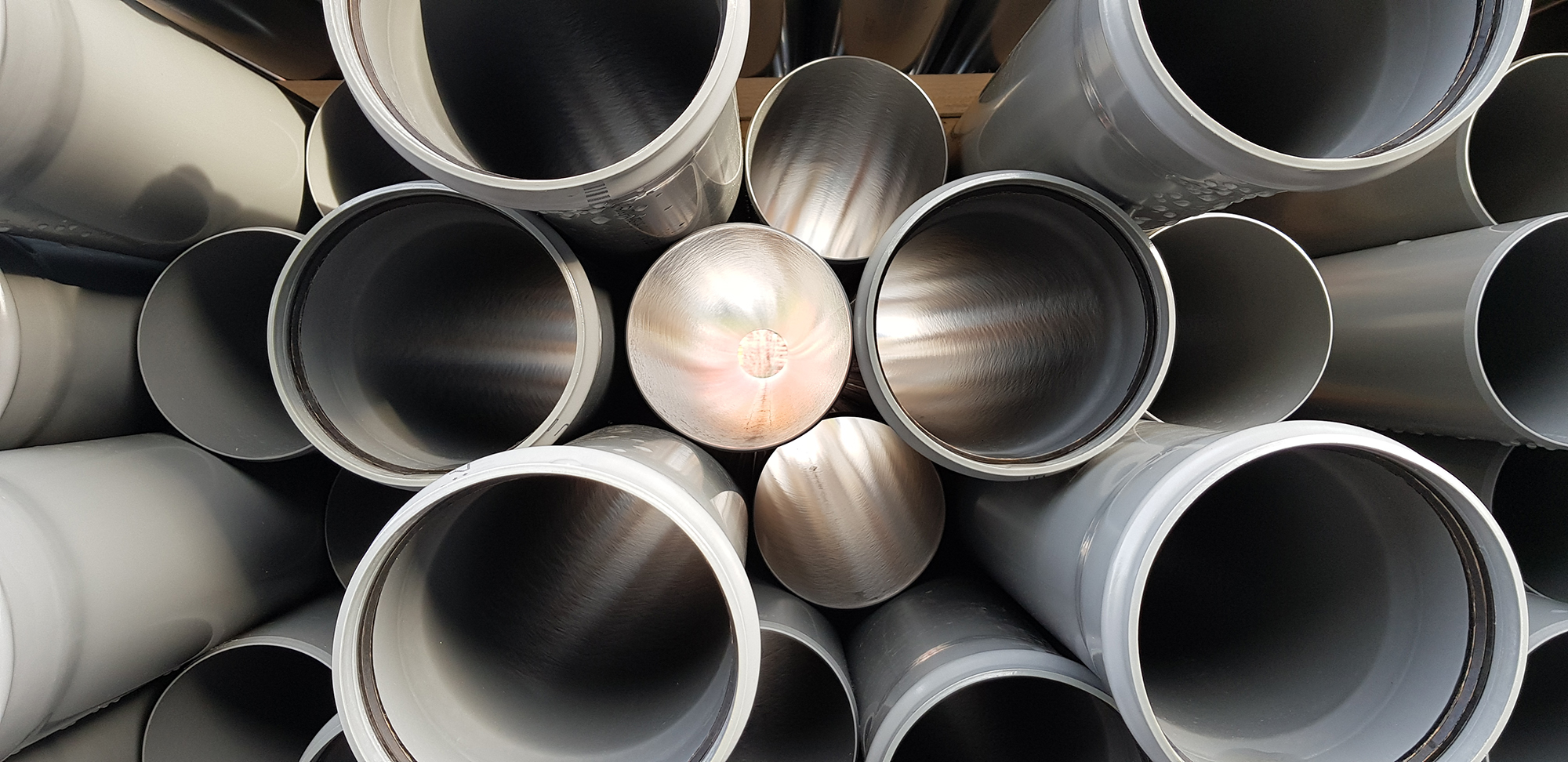
Industrial salt for PVC production is the invisible backbone of the modern construction, automotive, and healthcare industries. At Sama United, we often find that when people think of plastic, they think of oil and gas. However, the reality of chemical engineering tells a different story. One of the most widely used plastics in the world, Polyvinyl Chloride (PVC), is actually composed of 57% chlorine, which is derived directly from common industrial salt.
As experts at Sama United, we have been a strategic partner to the petrochemical sector for years. We understand that without a consistent, high-purity supply of industrial salt for PVC production, the manufacturing of pipes, window frames, medical tubing, and cable insulation would come to a grinding halt. In this deep dive, we will explain the chemical journey from salt to plastic, why purity is the most critical factor for plastic manufacturers, and how Sama United ensures the reliability of this vital supply chain.
Industrial salt for PVC production: The Essential Raw Material for the Global Plastics Industry
1. The 57% Rule: Why Salt is the Heart of PVC
To understand why industrial salt for PVC production is so important, we must look at the chemical composition of the polymer. PVC is made from two primary raw materials:
This high percentage of salt-derived content makes PVC less dependent on fossil fuels compared to other plastics like polyethylene or polypropylene. At Sama United, we emphasize to our clients that salt is not just an additive; it is the majority component of the plastic itself. By securing a high-quality salt source, manufacturers are essentially securing the core of their product.
2. The Chlor-Alkali Connection: How Salt Becomes Plastic
The transformation of industrial salt for PVC production begins in the “Chlor-Alkali” plant. In this facility, salt is dissolved in water to create a saturated brine. This brine then undergoes electrolysis—a process where an electric current splits the salt molecules (Sodium Chloride) into three valuable products:
-
Chlorine Gas: The essential ingredient for PVC.
-
Caustic Soda (Sodium Hydroxide): Used in soap, paper, and alumina production.
-
Hydrogen Gas: A clean energy source.
The chlorine gas is then reacted with ethylene to produce ethylene dichloride, which is eventually converted into the PVC resin we see in industrial applications. At Sama United, we provide the high-purity salt required to keep these electrolytic cells running at peak efficiency.
3. Why Purity is the “Make-or-Break” Factor for Manufacturers
In the world of industrial salt for PVC production, not all salt is created equal. Modern chlor-alkali plants use “Membrane Cell Technology,” which is highly efficient but extremely sensitive to impurities.
Our technical team at Sama United focuses on removing “poisonous” minerals from our salt, such as:
-
Calcium and Magnesium: These cause scaling on the membranes, leading to higher energy consumption and expensive repairs.
-
Sulfate and Silica: These can interfere with the chemical reaction and reduce the purity of the chlorine gas.
-
Heavy Metals: Even trace amounts of iron or nickel can damage the electrodes in the electrolytic cell.
By supplying salt that is 99% pure or higher, Sama United helps plastic manufacturers reduce their “Total Cost of Ownership.” High-purity salt means fewer chemicals are needed for brine purification, membranes last longer, and the overall carbon footprint of the plastic production is reduced.
4. The Economic Impact: Salt as a Price Stabilizer
Because such a large portion of PVC comes from salt, the price of industrial salt for PVC production plays a major role in the global economy. Salt is generally more price-stable than crude oil. At Sama United, we work with our partners to leverage this stability.
By securing long-term bulk salt contracts, PVC manufacturers can hedge against the volatility of the oil market. This allows for more predictable pricing in the construction and infrastructure sectors, where PVC pipes and materials are used on a massive scale. Sama United acts as the stabilizer in this economic equation, providing consistent pricing and reliable logistics.
Industrial salt for PVC production: The Essential Raw Material for the Global Plastics Industry
5. Beyond PVC: Salt in Other Plastic Applications
While PVC is the primary consumer, industrial salt for PVC production technologies also support other parts of the plastics industry:
-
Polyurethanes: Used in foam insulation and car seats; these also require chlorine in their manufacturing process.
-
Polycarbonates: The clear, strong plastic used in eyeglasses and electronic screens.
-
Epoxy Resins: Essential for coatings and adhesives in the aerospace and construction industries.
At Sama United, we view our salt as the “foundational mineral” for the entire advanced materials sector.
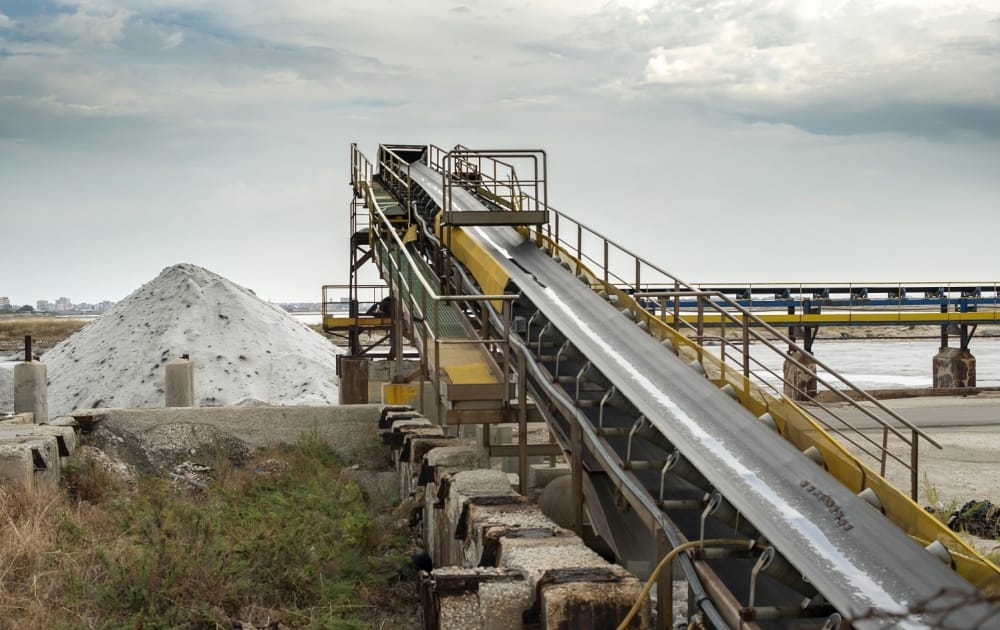
6. Logistical Excellence: Moving Mountains of Salt
The plastics industry operates on a massive scale. A single petrochemical complex can consume hundreds of thousands of tons of salt per year. This is where Sama United truly shines.
Navigating the logistics of industrial salt for PVC production requires:
-
Bulk Sea Freight: We coordinate large-scale shipments to ensure a continuous flow of raw materials.
-
Moisture Control: Even for industrial use, salt must be kept at a specific moisture level to ensure it flows easily into the brine saturators.
-
Strategic Warehousing: We maintain stock near major industrial hubs to prevent any “stock-out” situations that could shut down a plastic production line.
7. Sustainability and the “Green” Future of Plastics
The plastics industry is under pressure to become more sustainable. Industrial salt for PVC production plays a key role in this transition.
-
Energy Efficiency: As we’ve mentioned, higher purity salt from Sama United reduces the electricity needed for electrolysis.
-
Recyclability: PVC is one of the most recyclable plastics. By providing the high-quality salt needed for its initial creation, we are supporting a circular economy where durable plastic products can be used and reused for decades.
-
Salt from Desalination: We are exploring ways to source salt from desalination plants, turning a waste product into a valuable raw material for the plastic industry.
Industrial salt for PVC production: The Essential Raw Material for the Global Plastics Industry
8. The Sama United Quality Standard: A Partner You Can Trust
Why do global chemical giants choose Sama United? It is because we understand that in the plastics industry, salt is a technical chemical, not just a mineral.
We provide:
-
Detailed Certificates of Analysis (CoA): Giving your plant chemists 100% transparency.
-
Technical Consultation: Helping you choose the right grain size and purity level for your specific cell technology.
-
Scale and Reliability: Whether you need 5,000 tons or 50,000 tons, Sama United has the capacity to deliver.
9. Common Myths: Is Any Salt Good Enough for Plastic?
We often hear the myth that “salt is salt.” In the context of industrial salt for PVC production, this could not be further from the truth. Using unrefined rock salt or low-grade solar salt can lead to “membrane blinding,” which can cost a plant millions of dollars in downtime and replacement parts. Sama United specializes in “Electrolysis Grade” salt, which is a specialized product designed specifically for the needs of the chlor-alkali and plastics industries.
10. Conclusion: Securing the Foundation of Modern Life
In conclusion, industrial salt for PVC production is the quiet force that makes modern life possible. From the clean water pipes in our homes to the safety equipment in our hospitals, PVC is everywhere—and salt is the reason why.
At Sama United, we are proud to be at the center of this vital industry. We aren’t just shipping a mineral; we are providing the essential building blocks for global infrastructure. We invite you to partner with a supplier who understands the chemistry, the economics, and the logistics of the plastics industry. Let Sama United help you build a stronger, more efficient, and more sustainable production future.
Are you looking to optimize your PVC production with high-purity industrial salt? Contact the experts at Sama United today for a technical consultation and a customized bulk quote.