
Chemical grade salt for electrolysis is the fundamental raw material that powers some of the world’s most critical industrial processes. At Sama United, we have observed that while many companies view salt as a simple commodity, those in the electrolysis sector—specifically the chlor-alkali and water treatment industries—know that salt is a precision chemical. The process of electrolysis, which uses electricity to split brine into chlorine gas, hydrogen, and caustic soda, is incredibly sensitive to the chemical composition of the salt used.
As experts at Sama United, we understand that in a large-scale electrolytic cell, even trace amounts of the wrong mineral can lead to catastrophic membrane damage or dangerous chemical side reactions. Choosing the right chemical grade salt for electrolysis is not just about the price per ton; it is about protecting your multi-million dollar equipment, optimizing energy consumption, and ensuring the purity of your final chemical products. In this guide, we will explore the technical nuances of electrolysis salt and why Sama United is the trusted partner for high-purity industrial sourcing.
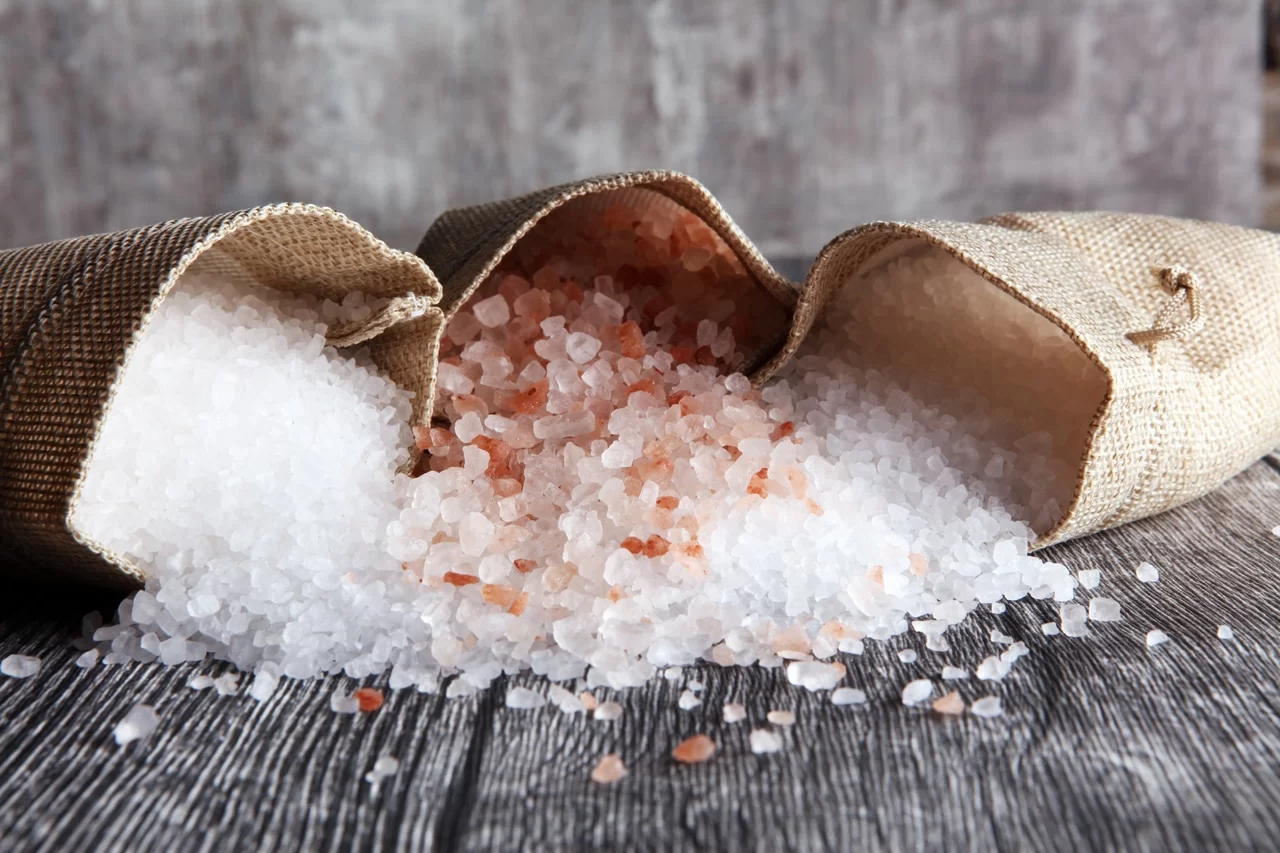
Chemical grade salt for electrolysis: A Strategic Choice for Industrial Efficiency
1. The Science of the Electrolytic Cell: Why Salt Quality Matters
To appreciate the importance of chemical grade salt for electrolysis, one must understand what happens inside the cell. Whether you are using a membrane cell, a diaphragm cell, or a mercury cell (though the latter is being phased out), the goal is to pass a high-voltage current through a saturated salt solution (brine).
If the salt is not of a high chemical grade, the electrolysis process becomes inefficient. Impurities in the brine can:
-
Increase Electrical Resistance: Leading to higher energy bills.
-
Foul the Membranes: Modern ion-exchange membranes are expensive and can be easily clogged by microscopic impurities.
-
Contaminate the Products: Impurities in the salt will end up in your chlorine gas or your caustic soda, potentially making them unsellable for high-end applications.
At Sama United, we specialize in providing salt that minimizes these risks, ensuring a smooth and profitable electrolytic process.
2. The “Enemies” of Electrolysis: Key Impurities to Avoid
When sourcing chemical grade salt for electrolysis, our technical team at Sama United looks at far more than just the sodium chloride (NaCl) percentage. We focus on the “PPM” (parts per million) of specific contaminants that are known to interfere with electrolysis.
Calcium and Magnesium (Hardness)
These are the primary enemies of the membrane cell. If calcium and magnesium levels are too high, they precipitate out as solids, “blinding” the membrane and significantly shortening its lifespan. Sama United provides salt with ultra-low hardness levels to reduce the burden on your primary and secondary brine purification systems.
Sulfate (SO4)
High sulfate levels can damage the anodes and reduce the efficiency of the chlorine evolution. While some sulfate is manageable, consistent levels are required for stable operation.
Silica and Heavy Metals
Trace amounts of silica, iron, or nickel can deposit on the electrodes, causing “poisoning.” This leads to a drop in voltage efficiency and can even create safety hazards by promoting the formation of explosive nitrogen trichloride if ammonia is present.
3. The Chlor-Alkali Industry: Salt as a Raw Material
The chlor-alkali industry is the largest consumer of chemical grade salt for electrolysis. It is the backbone of the chemical world, producing the chlorine used for PVC plastics, disinfectants, and pharmaceuticals, and the caustic soda used for paper, aluminum, and soap.
At Sama United, we serve as a vital link in this supply chain. We understand that for a chlor-alkali plant, the “Total Cost of Ownership” of salt includes the cost of the chemicals needed to purify the brine. By using a higher-grade salt from Sama United, plants can significantly reduce their consumption of soda ash and caustic soda used in the purification stage, leading to massive annual savings.
4. Water Electrolysis and Green Hydrogen Production
As the world moves toward a “Green Hydrogen” economy, water electrolysis is gaining renewed attention. While some systems use pure water, many industrial-scale hydrogen generators rely on a brine solution to improve conductivity.
Chemical grade salt for electrolysis is essential here to ensure that the hydrogen produced is of the highest purity (99.999%). Any volatile impurities in the salt could contaminate the hydrogen, making it unsuitable for fuel cells or high-tech manufacturing. Sama United is proud to support the renewable energy sector by providing the chemical foundations for clean energy.
5. Grain Size and Solubility: The Physical Factor
In a continuous electrolysis process, the speed at which the salt dissolves is critical. If the salt dissolves too slowly, the brine concentration drops, and the cell efficiency plummets.
At Sama United, we offer various granulometries for our chemical grade salt.
-
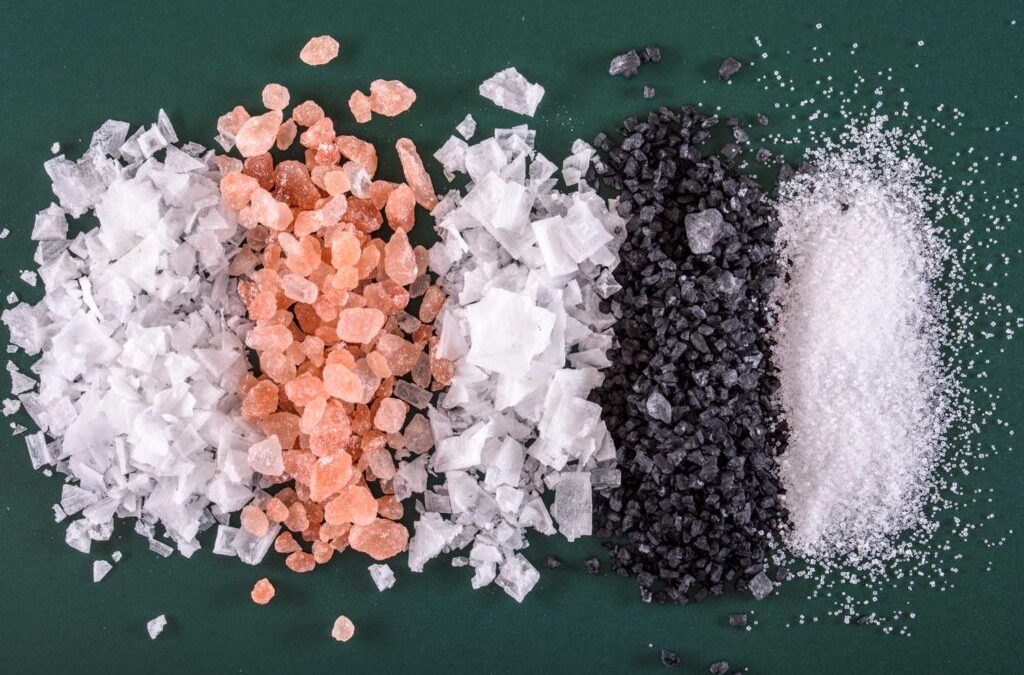
Fine Refined Salt: For rapid dissolution in automated brine saturators.
-
Coarse Refined Salt: Often preferred for certain types of diaphragm cells where a specific flow rate is required.
Our processing ensures that the salt doesn’t “clump” in the silo, providing a steady, predictable flow of raw material into your system.
Chemical grade salt for electrolysis: A Strategic Choice for Industrial Efficiency
6. The Economic Impact: Energy Savings and Maintenance
In electrolysis, electricity is your biggest cost. When you use chemical grade salt for electrolysis from Sama United, you are effectively lowering your energy consumption.
Pure brine allows the ion-exchange membrane to operate at peak efficiency with the lowest possible voltage drop. Even a 1% improvement in voltage efficiency across a large plant can save hundreds of thousands of dollars in electricity costs over a year. Furthermore, by reducing the frequency of membrane cleanings and replacements, you reduce your “downtime,” keeping your production running 24/7.
7. Logistics and Sourcing: The Sama United Advantage
Moving thousands of tons of chemical grade salt for electrolysis across international borders requires expert logistics. This is where Sama United excels.
-
Bulk Deliveries: We coordinate large-scale shipments in 20-foot containers or bulk carriers.
-
Contamination Control: We use specialized food-grade liners even for industrial salt to ensure that no rust, dirt, or moisture from the shipping container contaminates the salt during transit.
-
Reliable Supply Chain: Electrolysis plants cannot stop. We manage our inventory and shipping schedules to ensure that our clients always have a “buffer stock” ready for use.
8. Documentation and Compliance: Certificates of Analysis (CoA)
In the chemical industry, trust is built on data. Every shipment of chemical grade salt for electrolysis from Sama United is accompanied by a detailed Certificate of Analysis. We provide transparent data on:
-
Sodium Chloride (NaCl) content.
-
Detailed PPM breakdown of Calcium, Magnesium, and Sulfates.
-
Moisture content and insoluble matter.
This allows your plant chemists to adjust their purification processes with 100% confidence.
9. Sustainability in Chemical Production
As discussed in our previous insights, sustainability is a core value at Sama United. We source our electrolysis-grade salt from facilities that prioritize energy-efficient refining. By providing a higher-purity product, we help our clients reduce the chemical waste (sludge) produced during brine purification, contributing to a cleaner, more environmentally friendly chemical industry.
10. Why Partner with Sama United for Your Electrolysis Needs?
Choosing Sama United means choosing a partner who understands the technical demands of your industry. We don’t just sell salt; we sell performance. We know that the success of your electrolysis plant depends on the reliability of your raw material.
Our salt is:
-
Ultra-Pure: Meeting and exceeding international chlor-alkali standards.
-
Consistent: Batch-to-batch uniformity that your engineers can rely on.
-
Cost-Effective: Strategic sourcing and logistics that protect your margins.
Chemical grade salt for electrolysis: A Strategic Choice for Industrial Efficiency
Conclusion Chemical grade salt for electrolysis: Securing the Future of Your Production
In conclusion, chemical grade salt for electrolysis is the lifeblood of the modern chemical and water treatment industries. The quality of this salt dictates the efficiency, safety, and profitability of your entire operation. At Sama United, we take pride in providing the high-precision salt required for these complex processes.
Whether you are producing chlorine for a city’s water supply or hydrogen for the next generation of transport, let Sama United provide the purity you need to succeed. We invite you to experience the difference that expert sourcing and technical excellence can make.
Are you looking to optimize your electrolysis process? Contact the technical team at Sama United today for a customized salt specification and a quote that reflects the true value of quality.