
Food grade vs industrial salt is a distinction that carries immense weight in the global supply chain, yet it is often misunderstood by those outside the chemical and culinary industries. At Sama United, we receive dozens of inquiries daily from businesses looking to optimize their procurement. The most common question we encounter is: “If salt is just sodium chloride (NaCl), does it really matter which grade I buy?”
Food Grade vs Industrial Salt As experts at Sama United, our answer is always a definitive “Yes.” While both types of salt originate from the same sources—the sea or underground mines—the journey they take from the source to the final consumer is vastly different. The difference between food grade and industrial salt isn’t just a matter of marketing; it is a matter of chemical purity, regulatory compliance, and functional performance. In this comprehensive guide, we will break down the essential differences to help you make an informed decision for your business.
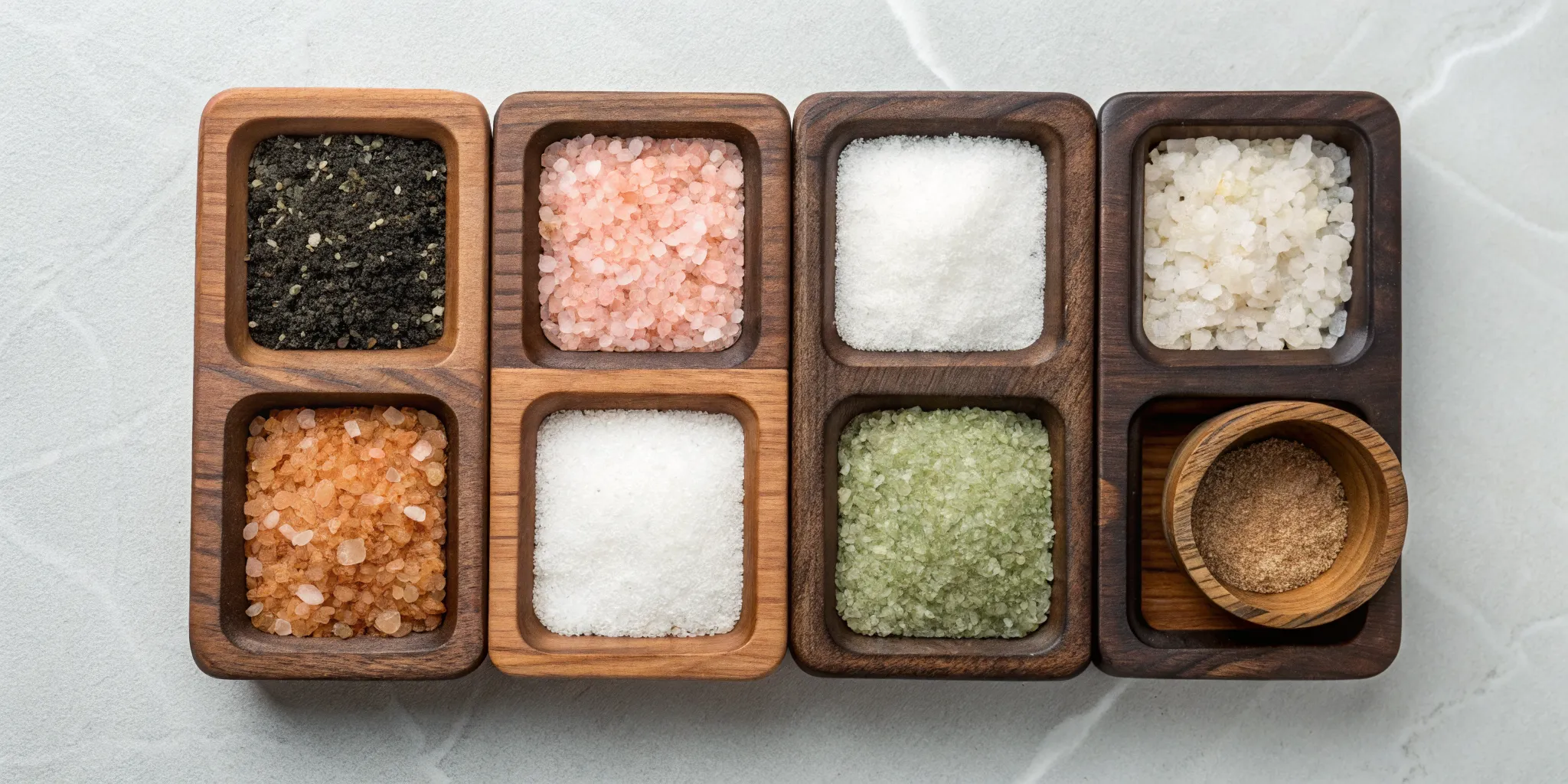
Food Grade vs Industrial Salt: Understanding the Key Differences for Your Business
1. Purity: The Core Chemical Distinction
When we discuss food grade vs industrial salt, purity is the first and most important factor.
-
Food Grade Salt: To be classified as food grade, salt must typically reach a sodium chloride purity of at least 97% to 99.9%, depending on the specific regional regulations (such as the FDA in the US or EFSA in Europe). More importantly, it must be virtually free from heavy metals like lead, arsenic, and mercury.
-
Industrial Salt: Industrial salt is generally less refined. While it can still be 95% to 99% pure, it often contains higher levels of trace minerals like magnesium, calcium, and potassium. While these minerals are natural, they are considered “impurities” in many industrial processes, such as chemical manufacturing or textile dyeing.
At Sama United, we subject our food-grade salt to multiple stages of vacuum evaporation and filtration to ensure it meets the highest global purity standards, whereas our industrial salt is tailored to the specific needs of factories and plants.
2. Additives: Why One is “Enriched” and the Other is “Raw”
Another major point in the Food Grade vs Industrial Salt debate is the use of additives.
-
Food Grade Additives: Most food-grade salt contains “Anti-caking agents” like potassium ferrocyanide to ensure it remains free-flowing in your salt shaker or industrial mixer. Additionally, many countries require the addition of Iodine to food-grade salt as a public health measure to prevent thyroid issues.
-
Industrial Salt Additives: Industrial salt is often sold in its raw, untreated state. In many chemical processes, additives like iodine or anti-caking agents would actually be harmful. For example, in the production of chlorine or in high-pressure boilers, these additives can cause unwanted chemical reactions or buildup.
Sama United provides clear documentation (Certificates of Analysis) for every shipment, ensuring that you know exactly what additives—or lack thereof—are present in your salt.
3. Regulatory Oversight and Quality Control
The “Food Grade” label is more than just a description; it is a legal status.
-
Stringent Monitoring: Food-grade salt production facilities must adhere to strict hygiene protocols, often including HACCP (Hazard Analysis and Critical Control Point) certifications. These plants are inspected for everything from air quality to the cleanliness of the machinery.
-
Industrial Flexibility: While industrial salt is still subject to quality control, the focus is on “Technical Specifications” rather than “Biological Safety.”
At Sama United, we bridge this gap by maintaining high quality-control standards across all our product lines. However, we strictly segregate our food-grade and industrial-grade supplies to ensure there is zero risk of cross-contamination.
4. Physical Form and Granulometry
Food Grade vs Industrial Salt The physical appearance of the salt is often a telltale sign of its grade.
-
Food Grade Consistency: This salt is usually processed into very specific grain sizes. Whether it’s “Extra Fine” for popcorn or “Coarse” for pretzels, the size must be uniform to ensure even dissolving and flavor.
-
Industrial Variety: Industrial salt comes in a much wider range of forms. It can be sold as “Rock Salt” for de-icing roads, “Salt Tablets” for water softening, or “Crushed Salt” for leather tanning.
Sama United offers a diverse portfolio for both sectors. We understand that a baker needs a different grain than a textile dyer, and we customize our processing accordingly.
5. Functional Applications: Where the Salt Goes
The “why” behind the food grade vs industrial salt split is found in the application:
-
Food Grade Applications: Meat curing, baking, snack manufacturing, and canning. Here, the salt is ingested, so it must be safe and have a clean taste profile.
-
Industrial Applications:
-
Water Softening: Removing hardness from water in hotels and factories.
-
Textile Dyeing: Helping colors bind to fabric (as discussed in our previous insights).
-
Chemical Industry: Serving as a raw material for producing chlorine, caustic soda, and soda ash.
-
De-icing: Lowering the freezing point of water on winter roads.
-
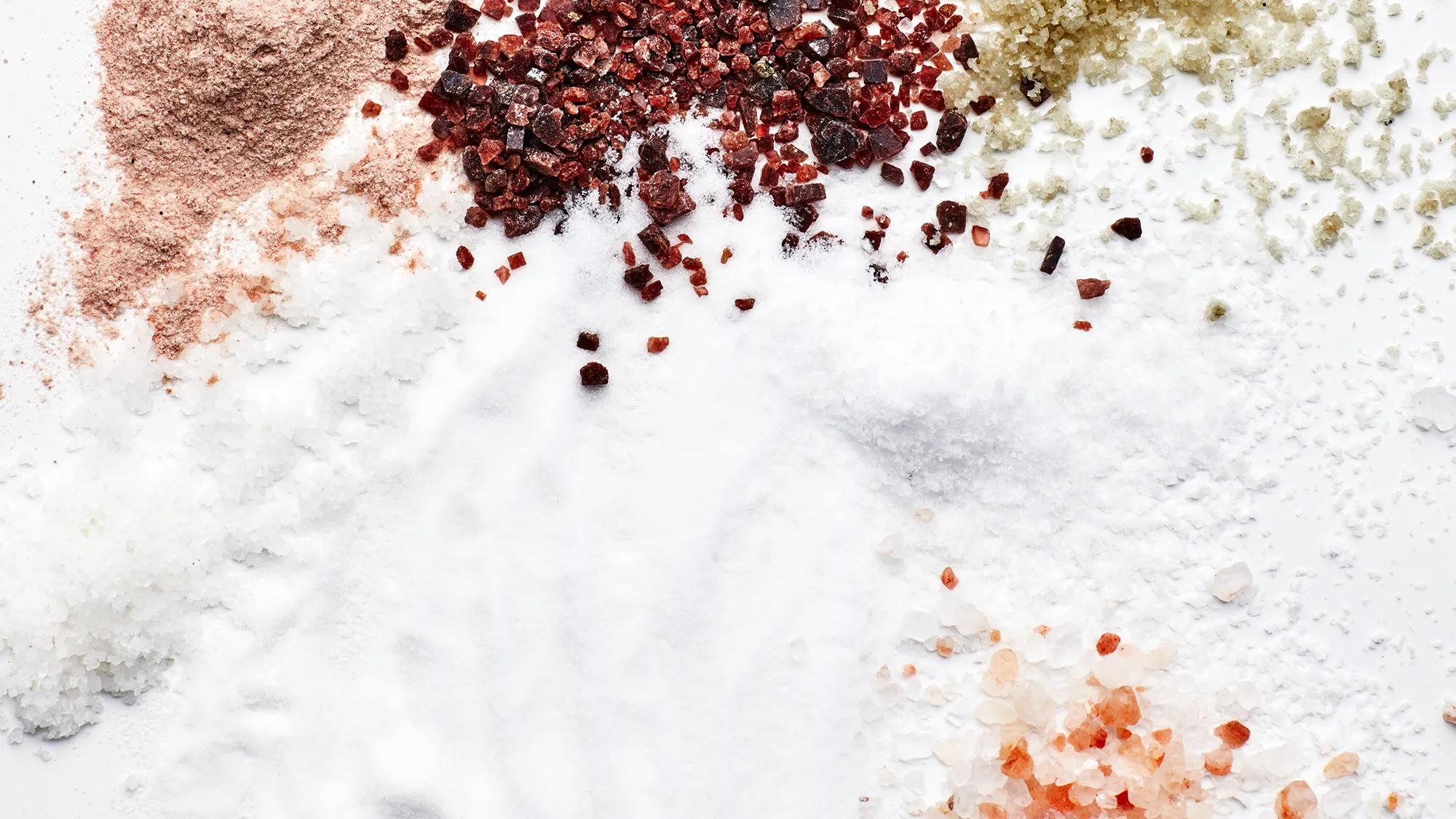
Food Grade vs Industrial Salt: Understanding the Key Differences for Your Business
6. Packaging and Logistics: Maintaining Integrity ( Food Grade vs Industrial Salt)
Logistics play a silent but vital role in the food grade vs industrial salt experience.
-
Food Grade Packaging: Our food-grade salt at Sama United is typically packaged in high-barrier, food-safe plastic bags that prevent moisture ingress and external contamination. The bags are often palletized and shrink-wrapped to maintain a sterile environment during export.
-
Industrial Packaging: While we still ensure high-quality packaging, industrial salt is often moved in larger bulk formats, such as 1-ton Big Bags or even loose bulk in specialized shipping containers. The primary goal here is durability and cost-efficiency.
7. The Price Difference Food Grade vs Industrial Salt : Investing in Safety
Naturally, food-grade salt is more expensive than industrial salt. This price difference reflects the additional costs of refining, testing, regulatory fees, and specialized packaging.
At Sama United, we advise our clients to never “cut corners” by using industrial salt in food applications to save money. The legal risks and health hazards far outweigh the minor cost savings. Conversely, using food-grade salt in an industrial machine might be a waste of resources if the machine doesn’t require such high purity. We help our clients find the “Sweet Spot”—the exact grade that meets their needs without overpaying.
8. Moisture Content: A Technical Detail
In our years at Sama United, we’ve noticed that moisture levels are a key technical difference.
-
Food Grade: Usually has a very low moisture content (often less than 0.1%) to prevent clumping and microbial growth.
-
Industrial: Can have higher moisture levels (up to 3-4% for certain types of solar salt), which is acceptable for many outdoor industrial uses but would be a disaster for a commercial bakery.
9. The Impact on Flavor vs. Function
Food-grade salt is designed to have a “Neutral” salinity. Any impurities (like magnesium) would make the salt taste bitter. In industrial use, flavor is irrelevant; the focus is on the “Sodium Ion” and how it reacts with other chemicals.
When you source from Sama United, you are getting a product designed for its specific end-use. Our food-grade salt enhances the flavor of your products, while our industrial salt enhances the efficiency of your machines.
10. Sustainability and Sourcing: The Sama United Way
Regardless of the grade, Sama United is committed to sustainable sourcing. Whether we are providing refined salt for a global food brand or bulk salt for an oil refinery, we prioritize environmental responsibility. We ensure that our salt is harvested using methods that respect the ecosystem, ensuring a stable supply for the future.
Food Grade vs Industrial Salt: Understanding the Key Differences for Your Business
Conclusion Food Grade vs Industrial Salt : Making the Right Choice for Your Business
In the debate of food grade vs industrial salt, the “right” choice depends entirely on your specific industry and application. Salt is a versatile mineral, but its various grades are not interchangeable. Using the wrong salt can lead to poor product quality, machine damage, or regulatory penalties.
At Sama United Food Grade vs Industrial Salt , we pride ourselves on being more than just a supplier; we are your strategic partner. Our team is here to guide you through the technical specifications, the logistical challenges, and the regulatory requirements of both grades. Whether you are looking for the purest salt for a gourmet bakery or high-performance salt for industrial manufacturing, Sama United has the expertise and the inventory to meet your needs.
Are you unsure which salt grade is right for your next project? Contact the experts at Sama United today for a personalized consultation and a quote that fits your business goals.