
Industrial salt for PVC production is the invisible backbone of the modern construction, automotive, and healthcare industries. At Sama United, we often find that when people think of plastic, they think of oil and gas. However, the reality of chemical engineering tells a different story. One of the most widely used plastics in the world, Polyvinyl Chloride (PVC), is actually composed of 57% chlorine, which is derived directly from common industrial salt.
As experts at Sama United, we have been a strategic partner to the petrochemical sector for years. We understand that without a consistent, high-purity supply of industrial salt for PVC production, the manufacturing of pipes, window frames, medical tubing, and cable insulation would come to a grinding halt. In this deep dive, we will explain the chemical journey from salt to plastic, why purity is the most critical factor for plastic manufacturers, and how Sama United ensures the reliability of this vital supply chain.
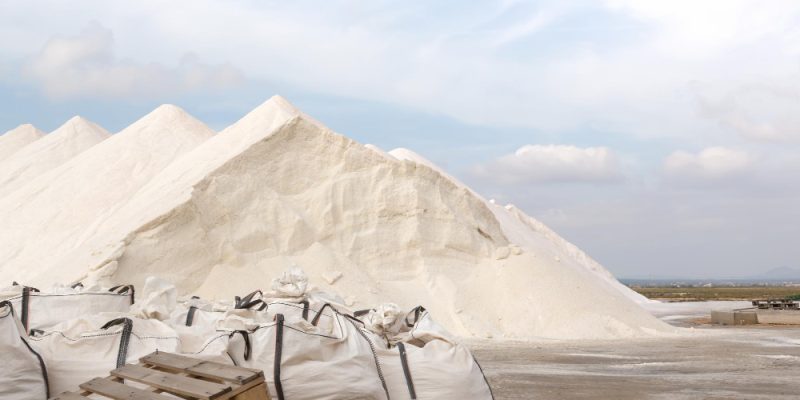
Industrial salt for PVC production: The Essential Raw Material for the Global Plastics Industry
1. The 57% Rule: Why Salt is the Heart of PVC
To understand why industrial salt for PVC production is so important, we must look at the chemical composition of the polymer. PVC is made from two primary raw materials:
-
Ethylene (43%): Derived from crude oil or natural gas.
-
Chlorine (57%): Derived from the electrolysis of salt brine.
This high percentage of salt-derived content makes PVC less dependent on fossil fuels compared to other plastics like polyethylene or polypropylene. At Sama United, we emphasize to our clients that salt is not just an additive; it is the majority component of the plastic itself. By securing a high-quality salt source, manufacturers are essentially securing the core of their product.
2. The Chlor-Alkali Connection: How Salt Becomes Plastic
The transformation of industrial salt for PVC production begins in the “Chlor-Alkali” plant. In this facility, salt is dissolved in water to create a saturated brine. This brine then undergoes electrolysis—a process where an electric current splits the salt molecules (Sodium Chloride) into three valuable products:
-
Chlorine Gas: The essential ingredient for PVC.
-
Caustic Soda (Sodium Hydroxide): Used in soap, paper, and alumina production.
-
Hydrogen Gas: A clean energy source.
The chlorine gas is then reacted with ethylene to produce ethylene dichloride, which is eventually converted into the PVC resin we see in industrial applications. At Sama United, we provide the high-purity salt required to keep these electrolytic cells running at peak efficiency.
3. Why Purity is the “Make-or-Break” Factor for Manufacturers
In the world of industrial salt for PVC production, not all salt is created equal. Modern chlor-alkali plants use “Membrane Cell Technology,” which is highly efficient but extremely sensitive to impurities.
Our technical team at Sama United focuses on removing “poisonous” minerals from our salt, such as:
-
Calcium and Magnesium: These cause scaling on the membranes, leading to higher energy consumption and expensive repairs.
-
Sulfate and Silica: These can interfere with the chemical reaction and reduce the purity of the chlorine gas.
-
Heavy Metals: Even trace amounts of iron or nickel can damage the electrodes in the electrolytic cell.
By supplying salt that is 99% pure or higher, Sama United helps plastic manufacturers reduce their “Total Cost of Ownership.” High-purity salt means fewer chemicals are needed for brine purification, membranes last longer, and the overall carbon footprint of the plastic production is reduced.
4. The Economic Impact: Salt as a Price Stabilizer
Because such a large portion of PVC comes from salt, the price of industrial salt for PVC production plays a major role in the global economy. Salt is generally more price-stable than crude oil. At Sama United, we work with our partners to leverage this stability.
By securing long-term bulk salt contracts, PVC manufacturers can hedge against the volatility of the oil market. This allows for more predictable pricing in the construction and infrastructure sectors, where PVC pipes and materials are used on a massive scale. Sama United acts as the stabilizer in this economic equation, providing consistent pricing and reliable logistics.
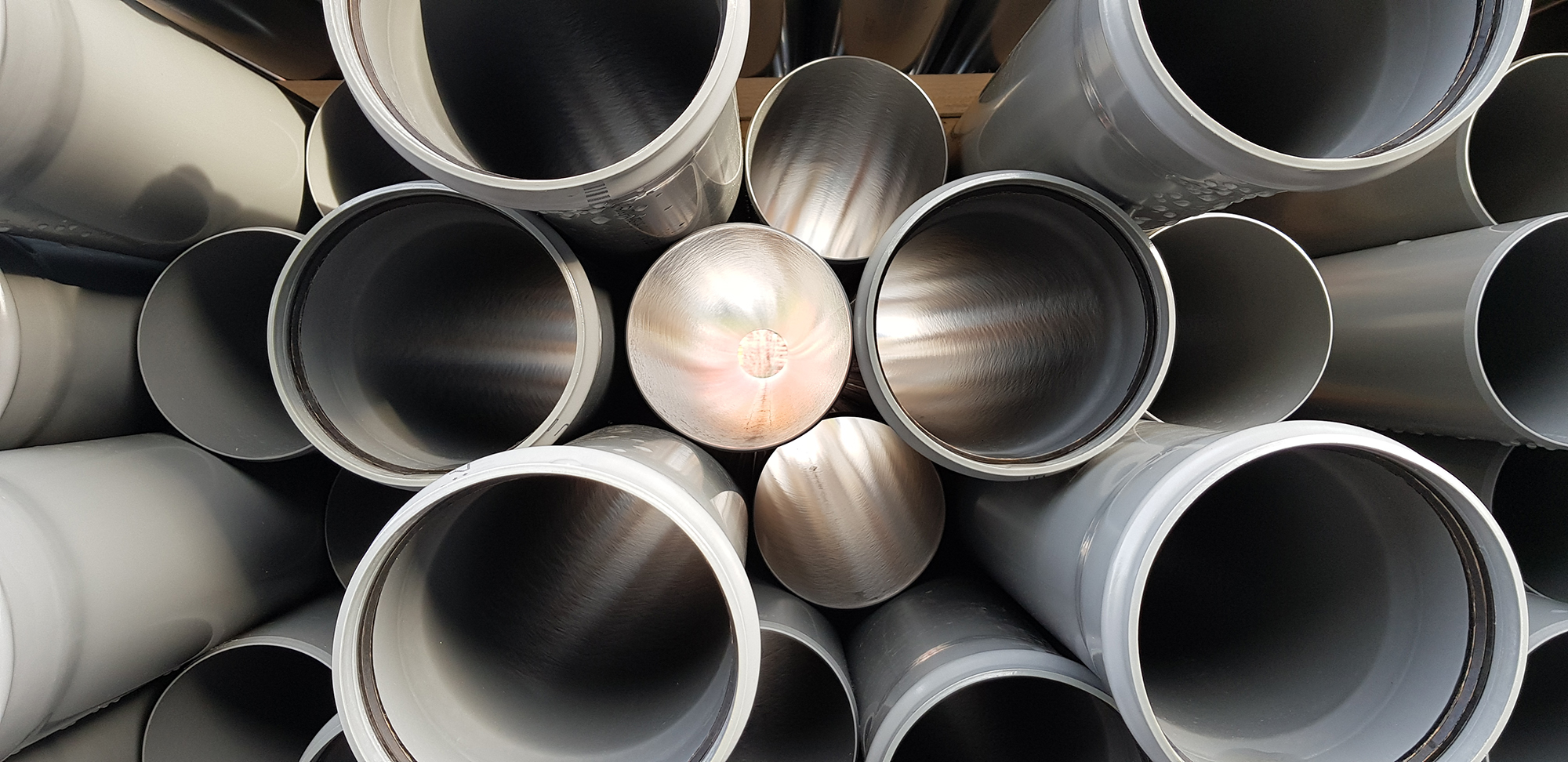
Industrial salt for PVC production: The Essential Raw Material for the Global Plastics Industry
5. Beyond PVC: Salt in Other Plastic Applications
While PVC is the primary consumer, industrial salt for PVC production technologies also support other parts of the plastics industry:
-
Polyurethanes: Used in foam insulation and car seats; these also require chlorine in their manufacturing process.
-
Polycarbonates: The clear, strong plastic used in eyeglasses and electronic screens.
-
Epoxy Resins: Essential for coatings and adhesives in the aerospace and construction industries.
At Sama United, we view our salt as the “foundational mineral” for the entire advanced materials sector.
6. Logistical Excellence: Moving Mountains of Salt
The plastics industry operates on a massive scale. A single petrochemical complex can consume hundreds of thousands of tons of salt per year. This is where Sama United truly shines.
Navigating the logistics of industrial salt for PVC production requires:
-
Bulk Sea Freight: We coordinate large-scale shipments to ensure a continuous flow of raw materials.
-
Moisture Control: Even for industrial use, salt must be kept at a specific moisture level to ensure it flows easily into the brine saturators.
-
Strategic Warehousing: We maintain stock near major industrial hubs to prevent any “stock-out” situations that could shut down a plastic production line.
7. Sustainability and the “Green” Future of Plastics
The plastics industry is under pressure to become more sustainable. Industrial salt for PVC production plays a key role in this transition.
-
Energy Efficiency: As we’ve mentioned, higher purity salt from Sama United reduces the electricity needed for electrolysis.
-
Recyclability: PVC is one of the most recyclable plastics. By providing the high-quality salt needed for its initial creation, we are supporting a circular economy where durable plastic products can be used and reused for decades.
-
Salt from Desalination: We are exploring ways to source salt from desalination plants, turning a waste product into a valuable raw material for the plastic industry.
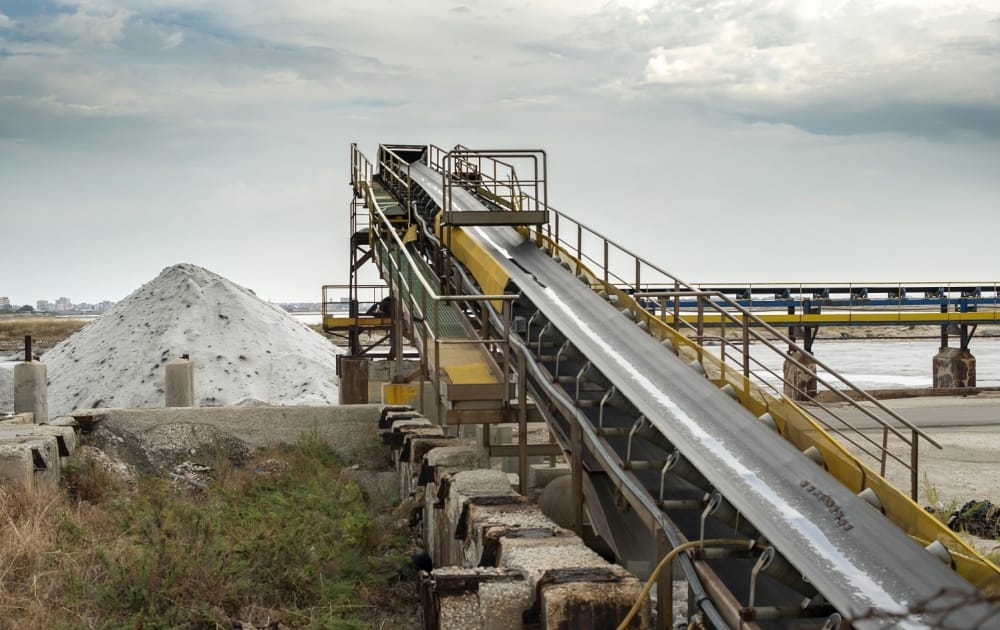
Industrial salt for PVC production: The Essential Raw Material for the Global Plastics Industry
8. The Sama United Quality Standard: A Partner You Can Trust
Why do global chemical giants choose Sama United? It is because we understand that in the plastics industry, salt is a technical chemical, not just a mineral.
We provide:
-
Detailed Certificates of Analysis (CoA): Giving your plant chemists 100% transparency.
-
Technical Consultation: Helping you choose the right grain size and purity level for your specific cell technology.
-
Scale and Reliability: Whether you need 5,000 tons or 50,000 tons, Sama United has the capacity to deliver.
9. Common Myths: Is Any Salt Good Enough for Plastic?
We often hear the myth that “salt is salt.” In the context of industrial salt for PVC production, this could not be further from the truth. Using unrefined rock salt or low-grade solar salt can lead to “membrane blinding,” which can cost a plant millions of dollars in downtime and replacement parts. Sama United specializes in “Electrolysis Grade” salt, which is a specialized product designed specifically for the needs of the chlor-alkali and plastics industries.
10. Conclusion: Securing the Foundation of Modern Life
In conclusion, industrial salt for PVC production is the quiet force that makes modern life possible. From the clean water pipes in our homes to the safety equipment in our hospitals, PVC is everywhere—and salt is the reason why.
At Sama United, we are proud to be at the center of this vital industry. We aren’t just shipping a mineral; we are providing the essential building blocks for global infrastructure. We invite you to partner with a supplier who understands the chemistry, the economics, and the logistics of the plastics industry. Let Sama United help you build a stronger, more efficient, and more sustainable production future.
Are you looking to optimize your PVC production with high-purity industrial salt? Contact the experts at Sama United today for a technical consultation and a customized bulk quote.