
Food grade salt storage might seem like a straightforward task—after all, salt is a mineral that has been used as a preservative for thousands of years. However, when dealing with industrial quantities, the stakes are much higher. At Sama United, we don’t just deliver premium salt; we partner with our clients to ensure that every ton of salt they purchase maintains its purity, texture, and chemical integrity until the moment it is used in production.
Improper storage of large-scale salt supplies can lead to clumping (caking), contamination, and physical waste, all of which directly affect a company’s bottom line. In this guide, our experts at Sama United will break down the essential factors you must consider to master the art of salt preservation at scale.
Food Grade Salt Storage: Essential Factors for Large-Scale Industry Success
Understanding the Nature of Salt: The Science of Moisture
The most critical factor in food grade salt storage is managing humidity. Salt is naturally hygroscopic, meaning it has an inherent “thirst” for moisture in the air. When the relative humidity exceeds 75%, salt begins to absorb water. When the humidity drops again, that water evaporates, leaving behind “salt bridges” that fuse the grains together into hard, unusable blocks.
At Sama United, we advise our large-scale partners to maintain a climate-controlled environment where possible. If that’s not an option, the focus must shift to protective barriers and airflow management to prevent this “caking” process from ruining an entire shipment.
1. The Importance of Flooring and Pallet Management
One of the most common mistakes we see in the industry is storing salt bags directly on concrete floors. Concrete is porous and can “sweat” moisture, which the salt will eagerly absorb.
To ensure proper food grade salt storage, we recommend:
-
Plastic Pallets over Wood: While wood is common, it can hold moisture and harbor pests or mold. Plastic pallets are easier to sanitize and provide a dry, stable base.
-
Double Stacking Caution: While it’s tempting to stack high to save space, excessive weight on the bottom bags increases the risk of mechanical caking. At Sama United, we provide specific stacking guidelines based on the grain size and packaging type of your order.
2. Packaging Integrity: Your First Line of Defense
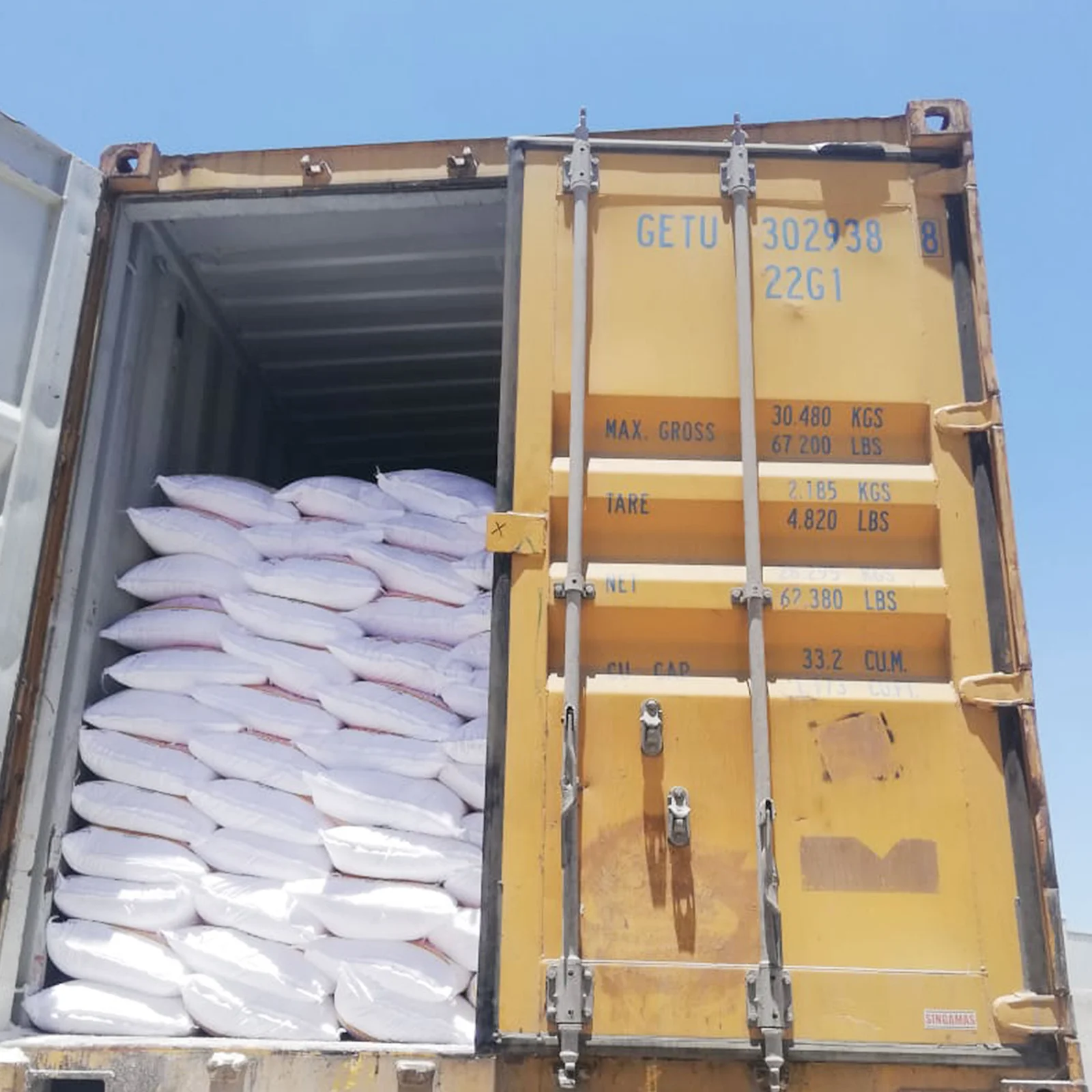
When you receive a shipment from Sama United, you’ll notice the high quality of our packaging. For large-scale use, we typically utilize heavy-duty Polypropylene (PP) bags with internal polyethylene (PE) liners.
These liners are essential for food grade salt storage because they act as a vapor barrier. If you are transferring salt into smaller containers or silos, ensure that the receiving vessel is completely dry and airtight. Even a tiny amount of residual moisture in a silo can cause “bridging,” where the salt gets stuck and refuses to flow through the discharge valves.
3. Airflow and Temperature Regulation
While salt isn’t as sensitive to temperature as chocolate or dairy, extreme fluctuations can cause “sweating” inside the packaging.
-
Ventilation: A warehouse with stagnant air is a recipe for moisture buildup. Ensure your storage area has adequate cross-ventilation.
-
Distance from Walls: Never lean salt pallets against exterior walls. These walls change temperature rapidly, leading to condensation inside the salt bags. We at Sama United suggest a minimum of 50cm clearance from all walls to allow for air circulation and easy inspection.
4. Contamination and Pest Control
Food grade salt is a pure product, and maintaining that purity is non-negotiable. Large-scale storage facilities must be kept spotlessly clean to avoid attracting pests, even though most insects aren’t attracted to salt itself.
The bigger risk is cross-contamination. At Sama United, we strictly follow international safety standards, and we encourage our clients to store salt away from:
-
Strong Odors: Salt can absorb smells from nearby chemicals, spices, or fuels, which can ruin its “food grade” status.
-
Dust and Debris: High-traffic areas in a factory can kick up dust. Salt storage should be in a dedicated, low-traffic zone of the warehouse.
Food Grade Salt Storage: Essential Factors for Large-Scale Industry Success
5. The “FIFO” Method: First-In, First-Out
Even though salt doesn’t have an “expiration date” in the traditional sense, its physical properties can change over time. Over many months, the weight of the bags can cause the bottom layers to become slightly compacted.
To maintain the best quality, Sama United recommends a strict “First-In, First-Out” (FIFO) inventory system. By using the oldest stock first, you ensure that the salt always remains free-flowing and easy to dose in your production machinery.
6. Silo Storage for Industrial Bakers and Manufacturers
For our largest clients who use pneumatic systems, food grade salt storage often happens in massive stainless steel or fiberglass silos.
-
Silo Insulation: If your silo is outdoors, insulation is vital to prevent internal condensation during cold nights.
-
Vibrating Bottoms: To prevent the salt from “arching” or sticking to the sides, many of our partners at Sama United use silos equipped with vibrators or aeration pads that keep the salt crystals moving smoothly.
The Sama United Advantage: More Than Just a Supplier
Food Grade Salt Storage Why do global food brands trust Sama United with their salt supply? Because we understand that our job doesn’t end when the truck leaves our facility. We provide comprehensive documentation, including Certificates of Analysis (CoA) and storage compatibility charts.
When you invest in food grade salt storage infrastructure, you are protecting your investment. A ton of salt that has become a solid block is not just a loss of product; it’s a loss of labor and production time. Our logistics team works closely with your warehouse managers to ensure that the delivery format (Big Bags vs. 25kg bags) fits your specific storage capabilities.
Environmental Considerations: A Sustainable Approach
At Sama United, we are also committed to sustainability. Proper storage reduces waste, which is a key pillar of an eco-friendly supply chain. By following the factors mentioned above, you reduce the likelihood of having to dispose of damaged salt, thereby reducing your carbon footprint and environmental impact.
Common Myths About Salt Storage
In our years at Sama United, we’ve heard many myths. Let’s clear a few up:
-
Myth: “Salt can be stored outside if it’s covered by a tarp.”
-
Reality: Tarps trap ground moisture and create a greenhouse effect, which will almost certainly cause the salt to cake.
-
-
Myth: “Anti-caking agents mean I don’t need to worry about humidity.”
-
Reality: While agents like YPS help, they have limits. Extremely high humidity can still overwhelm these additives.
-
Food Grade Salt Storage: Essential Factors for Large-Scale Industry Success
Conclusion: Securing Your Supply Chain
Mastering food grade salt storage is an essential skill for any large-scale food operation. It ensures that your ingredients are always ready for the production line, maintaining the consistency and quality your customers expect.
At Sama United, we take pride in being the foundation of your food products. From the moment our salt is harvested to the moment it arrives at your warehouse, we ensure the highest standards of purity. By following these storage guidelines, you can ensure that the “white gold” of the food industry remains in perfect condition for your business.
Do you have questions about your specific storage setup? Contact the experts at Sama United today. We are here to provide tailored solutions for your large-scale salt needs.