
Silica Sand for Glass Production: Specifications & Grades
Silica sand for glass production requires specific chemical purity, particle size, and low iron content to produce clear, high-quality glass. Using the wrong specifications causes discolouration, bubbles, and structural defects. This guide covers every grade of glass silica sand, required specifications, and how to source the right material for your glass manufacturing.
Why Glass Requires Special Silica Sand
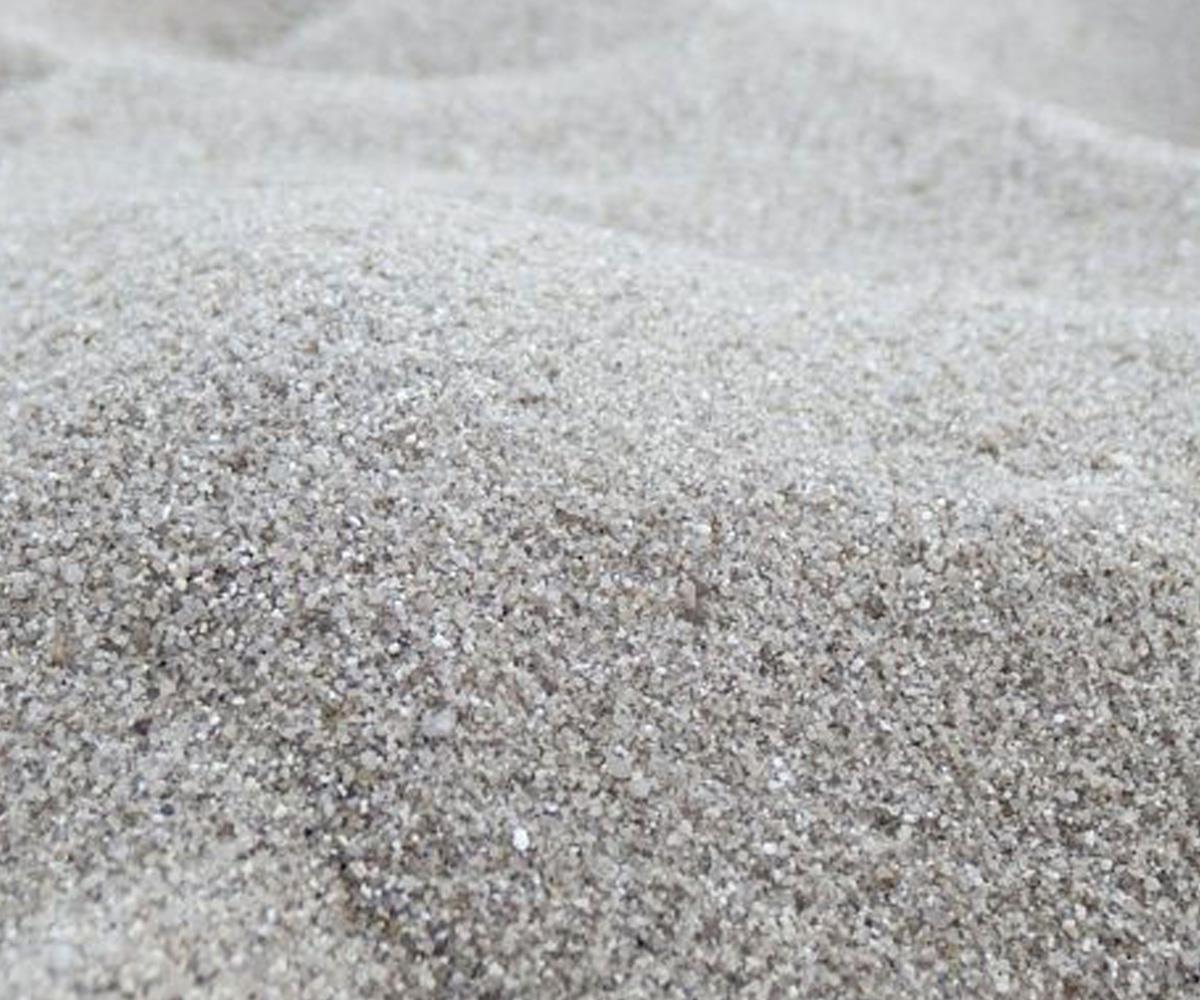
Glass is fundamentally silicon dioxide (SiO2) in an amorphous (non-crystalline) state. The purity of the silica sand directly determines the clarity, strength, and quality of the final glass product. Even trace impurities — particularly iron — cause significant defects:
- Iron oxide (Fe2O3) causes green or brown tinting
- Aluminium oxide (Al2O3) affects melting behaviour
- Chromium oxide causes severe discolouration
- Titanium dioxide affects UV transmission
For these reasons, glass manufacturers cannot use standard construction-grade silica sand. They require specially processed glass grade material with tightly controlled specifications.
Glass Silica Sand Specifications
Chemical Requirements
- Float Glass: SiO2 99.0%+, Fe2O3 < 0.010%, Al2O3 < 0.3%, TiO2 < 0.05%, Cr2O3 < 0.001%
- Container Glass: SiO2 98.5%+, Fe2O3 < 0.015%, Al2O3 < 0.5%, TiO2 < 0.1%, Cr2O3 < 0.002%
- Specialty Glass: SiO2 99.5%+, Fe2O3 < 0.005%, Al2O3 < 0.2%, TiO2 < 0.02%, Cr2O3 < 0.001%
- Fibre Glass: SiO2 99.0%+, Fe2O3 < 0.010%, Al2O3 < 0.3%, TiO2 < 0.05%, Cr2O3 < 0.001%
Physical Requirements
- Particle size: 0.1-0.6 mm — affects melting rate
- Uniformity: < 1.5 — ensures consistent melting
- Moisture: < 0.5% — prevents furnace issues
- Roundness: High — improves flow and packing
- Hardness: 7 Mohs — abrasion resistance
Glass Types and Their Silica Requirements
Float Glass
Float glass is produced by floating molten glass on a bed of molten tin. It requires the highest purity silica sand:
Specifications:
- SiO2: 99.0% minimum
- Fe2O3: < 0.010% (critical for clarity)
- Particle size: 0.1-0.5 mm
- Uniformity coefficient: < 1.3
Why these specs matter:
- Low iron prevents green tint in clear glass
- Fine particle size ensures rapid, uniform melting
- High uniformity prevents uneven melting and bubbles
Applications: Windows, mirrors, automotive glass, display screens
Container Glass
Container glass (bottles, jars) has slightly relaxed purity requirements:
Specifications:
- SiO2: 98.5% minimum
- Fe2O3: < 0.015%
- Particle size: 0.2-0.6 mm
- Uniformity coefficient: < 1.5
Why these specs matter:
- Slightly higher iron is acceptable because container glass is often coloured
- Coarser particle size is acceptable for slower melting processes
- Cost-effective for high-volume production
Applications: Beverage bottles, food jars, pharmaceutical containers
Specialty Glass
Specialty glass includes optical glass, laboratory glass, and high-clarity applications:
Specifications:
- SiO2: 99.5% minimum
- Fe2O3: < 0.005%
- Particle size: 0.1-0.3 mm
- Uniformity coefficient: < 1.2
Why these specs matter:
- Ultra-low iron for maximum transparency
- Fine, uniform particle size for precision melting
- Minimal impurities for optical clarity
Applications: Laboratory equipment, optical lenses, fibre optics, display glass
Fibre Glass
Fibre glass requires high purity for consistent fibre drawing:
Specifications:
- SiO2: 99.0% minimum
- Fe2O3: < 0.010%
- Al2O3: < 0.3%
- Particle size: 0.1-0.4 mm
Why these specs matter:
- Low iron prevents fibre discolouration
- Controlled particle size ensures consistent viscosity during drawing
- Low aluminium prevents fibre brittleness
Applications: Insulation, composites, textiles, reinforcement
Sheet Glass (Crown/Polished Plate)
Traditional sheet glass production:
Specifications:
- SiO2: 98.5% minimum
- Fe2O3: < 0.012%
- Particle size: 0.2-0.5 mm
Applications: Traditional windows, architectural glass
The Glass Manufacturing Process and Silica
Batch Preparation
Silica sand is the primary batch ingredient (typically 70-75% of the batch). Other ingredients include:
- Soda ash (Na2CO3) — flux, reduces melting temperature
- Limestone (CaCO3) — stabiliser
- Dolomite — additional stabiliser
- Colouring oxides — for tinted glass
The silica sand must be:
- Dry (moisture < 0.5%)
- Clean (free of organic matter)
- Correctly graded (particle size within specification)
Melting
The batch is melted at 1,500-1,600°C in a furnace. Silica sand quality affects:
- Melting rate — finer particles melt faster
- Energy consumption — impurities can increase energy use
- Glass quality — iron causes discolouration
- Furnace life — abrasive or impure sand damages furnace lining
Forming
The molten glass is formed by:
- Float process — for flat glass
- Blowing — for containers
- Drawing — for fibre glass
- Pressing — for specialty items
Each process requires specific glass viscosity, which depends on silica purity and batch composition.
Silica Sand Sourcing for Glass Manufacturers
Quality Control Requirements
Glass manufacturers should require from suppliers:
- Certificate of Analysis (COA) for each batch
- Particle size distribution (full sieve analysis)
- Chemical analysis (XRF or ICP)
- Iron content specification (Fe2O3 as percentage)
- Moisture content at time of delivery
- ISO 9001 certification of the supplier
Supply Chain Considerations
- Consistency — glass manufacturers need identical batches every time
- Reliability — production stops are extremely costly
- Storage — covered, dry storage is essential
- Delivery — bulk tanker or supersack delivery preferred
- Traceability — full batch traceability required
European Sources
Major European silica sand sources for glass production include:
- Belgium — high-purity deposits
- Germany — extensive glass sand production
- France — quality deposits in northern regions
- UK — multiple sources with varying purity
We supply across Europe with competitive delivery rates.
Common Problems with Glass Silica Sand
Iron Contamination
Symptom: Green or brown tint in finished glass
Cause: Fe2O3 content above specification
Solution: Source higher-purity sand, check handling equipment for iron contamination
Particle Size Variation
Symptom: Uneven melting, bubbles, or stones in glass
Cause: Inconsistent particle size distribution
Solution: Request full sieve analysis, use suppliers with tight grading control
Moisture Content
Symptom: Furnace issues, batch inconsistencies
Cause: Wet sand or improper storage
Solution: Store in covered facilities, test moisture before use
Organic Contamination
Symptom: Bubbles, discolouration
Cause: Organic matter in sand
Solution: Use washed and processed sand, proper storage
Chromium Contamination
Symptom: Severe green discolouration
Cause: Chromium oxide contamination (often from equipment wear)
Solution: Check equipment, source clean sand
Testing Glass Silica Sand
Laboratory Tests
Chemical Analysis:
- XRF analysis for major oxides (SiO2, Al2O3, Fe2O3, etc.)
- ICP analysis for trace elements
- LOI (Loss on Ignition) for organic content
Physical Analysis:
- Full sieve analysis for particle size distribution
- Moisture content testing
- Roundness/sphericity measurement
Performance Tests:
- Melting trial in test furnace
- Glass clarity assessment
- Bubble count analysis
On-Site Tests
- Visual inspection for colour and cleanliness
- Moisture check
- Quick sieve check for particle size
Glass Silica Sand Grades Available
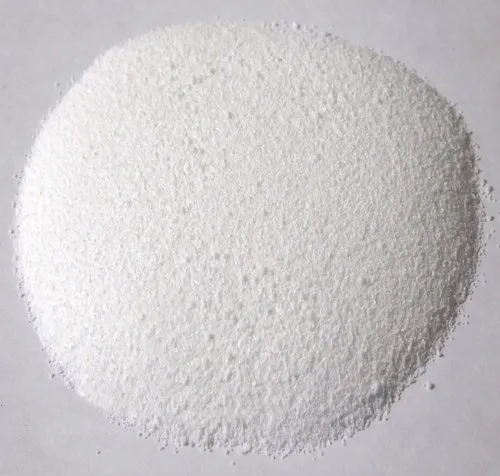
We supply premium glass grade silica sand across Europe. Our grades include:
- Float Glass: SiO2 99.2%, Fe2O3 0.008%, Particle Size 0.1-0.5 mm, for float glass and mirrors
- Container: SiO2 98.7%, Fe2O3 0.012%, Particle Size 0.2-0.6 mm, for bottles and jars
- Specialty: SiO2 99.6%, Fe2O3 0.004%, Particle Size 0.1-0.3 mm, for optical and laboratory
- Fibre: SiO2 99.1%, Fe2O3 0.009%, Particle Size 0.1-0.4 mm, for fibre glass
All grades are ISO 9001 certified, supplied with Certificate of Analysis, available in bulk delivery (tankers or supersacks), and delivered across Europe.
Related Articles
- The Complete Guide to Silica Sand Grades — Comprehensive overview of all silica sand grades
- Silica Sand vs Play Sand: What’s the Difference? — Understanding the differences between industrial and recreational sand
Frequently Asked Questions
What is the best silica sand for glass production?
The best silica sand for glass production depends on the glass type. Float glass requires 99%+ SiO2 with Fe2O3 < 0.010%. Container glass can use 98.5%+ SiO2 with Fe2O3 < 0.015%. Specialty glass requires 99.5%+ SiO2 with Fe2O3 < 0.005%.
How does iron content affect glass quality?
Iron oxide (Fe2O3) causes green or brown discolouration in glass. Even 0.01% iron creates visible tinting in clear glass. For clear glass, Fe2O3 must be below 0.010%. Coloured glass can tolerate slightly higher iron levels.
What particle size is best for glass sand?
Most glass applications require particle size between 0.1-0.6 mm. Float glass uses finer sand (0.1-0.5 mm) for faster melting. Container glass can use coarser sand (0.2-0.6 mm). Uniformity is as important as average size.
Can I use construction grade silica sand for glass?
No. Construction grade silica sand contains too much iron (Fe2O3 > 0.1%) and impurities for glass production. It will cause discolouration, bubbles, and structural defects in glass.
What certifications should glass silica sand have?
At minimum, suppliers should provide ISO 9001 certification and a Certificate of Analysis (COA) for each batch. For European use, EN 12904 compliance is also relevant.
How do I verify silica sand quality before bulk purchase?
Request samples and test for: chemical composition (XRF analysis), particle size distribution (sieve analysis), moisture content, and iron content. Always request a COA from the supplier.
Get Glass Grade Silica Sand Delivered
We supply premium glass grade silica sand across Europe. Contact us for samples, technical data sheets, and competitive bulk pricing.