
Silica Sand vs Play Sand: What’s the Difference?
Silica sand and play sand are both granular materials, but they serve completely different purposes. Silica sand is an industrial material used in glass manufacturing, construction, and filtration. Play sand is a fine, washed sand designed for children’s sandboxes and recreational use. Understanding the differences is essential for choosing the right material for your project.
View our Industrial Silica Sand Products
Quick Comparison: Silica Sand vs Play Sand
- SiO2 Content: Silica Sand 95-99%+ vs Play Sand 80-95%
- Particle Size: Silica Sand 0.1-5.0 mm (varies by grade) vs Play Sand 0.1-0.5 mm
- Iron Content: Silica Sand controlled (< 0.1% typical) vs Play Sand not controlled
- Purity: Silica Sand high, tested per batch vs Play Sand moderate, less testing
- Applications: Silica Sand for glass, construction, filtration vs Play Sand for children’s sandboxes, play areas
- Price: Silica Sand higher vs Play Sand lower
- Dust Control: Silica Sand varies by grade vs Play Sand washed and dust-controlled
- Certifications: Silica Sand ISO 9001, EN standards vs Play Sand EN 71 (toy safety)
- Colour: Silica Sand white to off-white vs Play Sand tan to white
What Is Industrial Silica Sand?
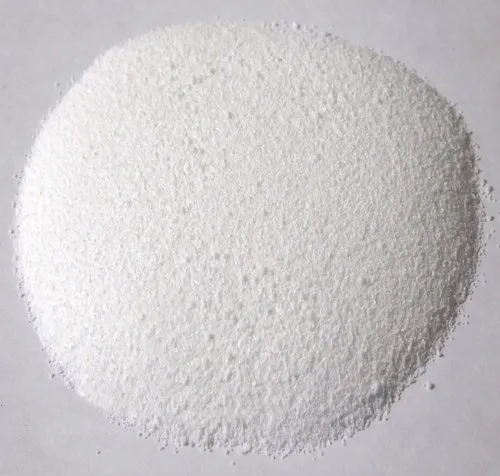
Industrial silica sand is a high-purity granular material composed primarily of silicon dioxide (SiO2). It is mined, processed, and graded for specific industrial applications including:
- Glass manufacturing — requires SiO2 > 98.5%, Fe2O3 < 0.015%
- Construction — used in concrete, mortar, plaster
- Filtration — water treatment and pool filters
- Foundry casting — mould making for metal casting
- Hydraulic fracturing — proppant in oil and gas
Key Characteristics:
- High SiO2 content (95-99%+)
- Controlled particle size — precisely graded for each application
- Low iron — especially critical for glass production
- Tested and certified — batch-by-batch quality control
- Industrial handling — requires proper PPE for dust
Learn more about silica sand grades and their specifications.
What Is Play Sand?
Play sand is a fine, naturally occurring sand that has been washed and processed for safe use in children’s play areas. It is designed to be:
- Dust-reduced — washed to remove fine particles
- Soft and rounded — comfortable for children to handle
- Non-toxic — meets safety standards for children’s products
- Affordable — widely available at garden centres and DIY stores
Key Characteristics:
- Lower SiO2 content (80-95%)
- Fine particle size (0.1-0.5 mm)
- Washed — dust particles removed
- Soft texture — rounded grains for comfort
- Safety certified — meets EN 71 toy safety standards
Detailed Differences
1. Chemical Composition
Silica Sand:
- SiO2: 95-99%+ (depending on grade)
- Fe2O3: < 0.1% (glass grade: < 0.015%)
- Al2O3, CaO, MgO: trace amounts
- Very low organic content
Play Sand:
- SiO2: 80-95%
- Higher iron and mineral content
- May contain calcium carbonate, feldspar, and other minerals
- Some organic content possible
Why it matters: The higher purity of industrial silica sand makes it suitable for demanding applications like glass production, where impurities cause defects. Play sand does not require this level of purity.
2. Particle Size and Distribution
Silica Sand:
- Range: 0.1-5.0 mm (varies by grade)
- Precisely graded — narrow particle size distribution
- Specific grades for specific applications
- Uniformity coefficient tightly controlled
Play Sand:
- Range: 0.1-0.5 mm (typically)
- Wider particle size distribution
- Not precisely graded
- Uniformity not controlled
Why it matters: Industrial applications require consistent particle size for predictable performance. Play sand only needs to feel pleasant and be safe for children.
3. Processing and Quality Control
Silica Sand:
- Mined from high-purity deposits
- Washed, screened, and graded
- Chemical analysis (XRF/ICP) per batch
- Particle size analysis (sieve analysis)
- Certificate of Analysis (COA) provided
- ISO 9001 certified production
Play Sand:
- Mined from natural deposits
- Washed to remove dust and debris
- Basic screening for particle size
- Limited chemical testing
- May meet EN 71 toy safety standard
- Less rigorous quality control
Why it matters: Industrial silica sand undergoes extensive testing to ensure it meets precise specifications. Play sand testing focuses on safety rather than performance.
4. Dust Content
Silica Sand:
- Dust content varies by grade and processing
- Some grades are low-dust (washed and coated)
- Respirable crystalline silica (RCS) is a health concern
- Requires PPE handling in industrial settings
Play Sand:
- Washed to reduce dust
- Designed for low dust generation
- Still contains some respirable particles
- Should be used in ventilated areas
Why it matters: Both materials contain crystalline silica, which is a respiratory hazard. However, play sand is processed to minimise dust for child safety, while industrial silica sand dust control depends on the grade.
5. Safety Standards
Silica Sand:
- EN 12904 (construction aggregates)
- ISO 9001 (quality management)
- COSHH regulations (health and safety)
- MSDS (Material Safety Data Sheet) provided
Play Sand:
- EN 71 (toy safety)
- BS EN 1177 (impact-absorbing playground surfaces)
- Safety tested for children’s use
- Non-toxic certification
Why it matters: Play sand must meet strict safety standards for children’s products. Industrial silica sand is regulated for workplace safety, not consumer use.
Can You Use Industrial Silica Sand as Play Sand?
Technically Possible, But Not Recommended
Industrial silica sand can physically function as play sand, but there are important considerations:
Pros:
- More consistent particle size
- Available in various grades
- May be whiter/cleaner
Cons:
- Higher cost than play sand
- May not meet EN 71 toy safety standards
- Dust control varies by grade
- Not specifically processed for child safety
When Industrial Silica Sand Might Be Used
- Large commercial play areas — where consistent quality matters
- Artificial turf infill — where silica sand is specified
- Sports surfaces — where drainage and performance are critical
- Aquariums — where purity matters
When Play Sand Is Better
- Children’s sandboxes — safety-certified, affordable
- Home play areas — readily available, cost-effective
- General recreational use — where industrial purity isn’t needed
Can You Use Play Sand for Industrial Applications?
Not Recommended
Play sand is generally unsuitable for industrial applications because:
- Insufficient purity — SiO2 content too low for glass production
- Inconsistent particle size — not precisely graded
- Unknown chemical composition — may contain impurities
- No industrial certifications — lacks COA and ISO 9001
Specific Failures
Glass Production:
- Play sand SiO2 content (80-95%) is too low
- Higher iron causes discolouration
- Unknown impurities cause defects
Construction:
- Play sand particle size distribution is too wide
- Inconsistent performance in concrete/mortar
- May contain organic matter affecting setting
Filtration:
- Play sand particle size not uniform enough
- Lower purity affects filtration efficiency
- May release impurities into filtered water
Cost Comparison
- Price per tonne: Silica Sand £30-150+ (depending on grade) vs Play Sand £15-40
- Minimum order: Silica Sand often 5+ tonnes vs Play Sand available in small bags
- Delivery: Silica Sand bulk tanker or supersack vs Play Sand DIY store collection
- Value: Silica Sand higher performance, higher cost vs Play Sand lower cost, limited use
Cost per application:
- Industrial silica sand is more expensive but necessary for industrial applications
- Play sand is cheaper but only suitable for recreational use
- Using the wrong material costs more in the long run (defects, failures, rework)
Environmental and Health Considerations
Crystalline Silica Hazard
Both silica sand and play sand contain crystalline silica, which is a known respiratory hazard. The key differences:
Industrial Silica Sand:
- Higher concentration of respirable particles
- Requires COSHH assessment in workplace
- PPE required (dust mask, eye protection)
- Dust extraction systems recommended
Play Sand:
- Washed to reduce dust
- Lower dust generation during use
- Should still be used in ventilated areas
- Not risk-free — some dust exposure remains
Best Practices
- Always use dust control measures
- Store in covered, dry conditions
- Follow COSHH regulations in workplace
- Consider washed/coated grades for low-dust applications
Choosing the Right Sand for Your Project
Use Industrial Silica Sand When:
- Manufacturing glass, paint, or plastics
- Construction requiring specific particle sizes
- Water filtration or treatment
- Foundry casting or metal production
- Any application requiring certified purity
Use Play Sand When:
- Filling children’s sandboxes
- Recreational play areas
- General landscaping (non-structural)
- Decorative garden features
Get Expert Advice
Choosing the wrong sand can cause costly failures. Our technical team can help you select the right material for your specific application.
Related Articles
- The Complete Guide to Silica Sand Grades — Comprehensive overview of all silica sand grades
- Silica Sand for Glass Production: Specifications & Grades — Detailed guide for glass manufacturers
Frequently Asked Questions
Is silica sand the same as play sand?
No. Silica sand is an industrial material with high purity (95-99% SiO2) used for glass, construction, and filtration. Play sand is a fine, washed sand (80-95% SiO2) designed for children’s play areas. They have different compositions, processing, and certifications.
Can I use play sand for glass production?
No. Play sand has insufficient SiO2 content (80-95%) and uncontrolled impurities for glass production. Glass requires 98.5%+ SiO2 with Fe2O3 below 0.015%. Using play sand will cause discolouration and defects.
Is industrial silica sand safe for children?
Industrial silica sand is not specifically processed for child safety and may not meet EN 71 toy safety standards. For children’s play areas, use certified play sand. If industrial sand is required (e.g., artificial turf infill), use washed, low-dust grades.
What is the price difference between silica sand and play sand?
Play sand costs £15-40 per tonne. Industrial silica sand costs £30-150+ per tonne depending on purity and grade. Industrial sand is more expensive because of higher purity, quality control, and certification.
Can I use silica sand for a children’s sandbox?
While technically possible, it is not recommended. Play sand is specifically processed for child safety, meets EN 71 standards, and is more affordable. Industrial silica sand is designed for applications where purity and performance matter more than safety certification.
What are the health risks of silica sand?
Both silica sand and play sand contain crystalline silica, which is a respiratory hazard when dust is inhaled. Follow COSHH regulations, use PPE, ensure adequate ventilation, and consider washed/low-dust grades for applications where dust is a concern.
Get the Right Sand for Your Project
Whether you need industrial silica sand for manufacturing or construction, or want to understand which grade suits your application, our team can help. Contact us today for expert advice and product recommendations.