
The Complete Guide to Silica Sand Grades
Silica sand grades define the particle size, purity, and suitability of sand for specific industrial applications. Choosing the wrong grade can cause production defects, equipment damage, or project failure. This guide covers every major silica sand grade used in Europe, their specifications, and how to select the right one for your project.
What Is Silica Sand?
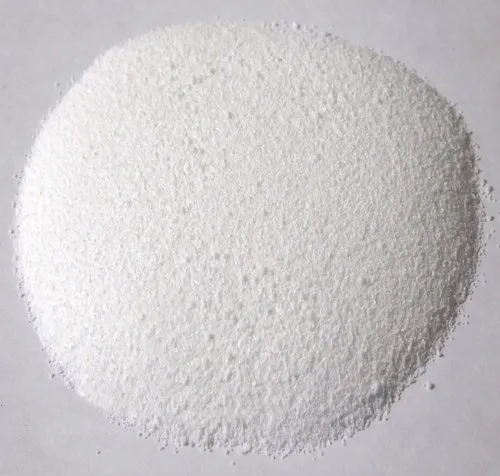
Silica sand is a naturally occurring granular material composed primarily of silicon dioxide (SiO2). It is formed through the weathering and erosion of rocks such as quartz, sandstone, and granite. Industrial silica sand contains 95% or higher SiO2 content, making it suitable for demanding applications including glass manufacturing, construction, filtration, and foundry casting.
Unlike regular sand, industrial silica sand undergoes rigorous quality control to ensure consistent particle size, low iron content, and high purity. These characteristics determine which grade is appropriate for a given application.
Why Silica Sand Grades Matter
Selecting the correct silica sand grade directly impacts:
- Product quality in glass, paint, and plastic manufacturing
- Structural integrity in construction and concrete applications
- Filtration efficiency in water treatment systems
- Casting precision in foundry operations
- Cost efficiency — over-specifying wastes money, under-specifying causes failures
Each grade is designed for specific performance requirements. A grade suitable for glass production may be entirely wrong for concrete mixing.
Silica Sand Grading Systems
European Standard: EN 12904
The European standard EN 12904 classifies silica sand for construction and industrial use based on particle size distribution. Key categories include:
- 0/1 mm (Fine): Plastering, rendering
- 0/2 mm (Fine-Medium): General construction, mortar
- 0/4 mm (Medium): Concrete, screed
- 0/8 mm (Coarse): Drainage, road base
- 1/2 mm (Medium): Specialist applications
British Standard: BS 2975
BS 2975 provides specifications for silica sand in the UK market. It categorises sand by:
- Particle size distribution
- Fines content (particles below 63 microns)
- Moisture content
- Organic impurities
Industry-Specific Grading
Different industries use their own grading systems:
Glass Industry:
- Measured in mesh sizes (e.g., 16/30, 30/50, 50/100)
- Mesh size corresponds to particle diameter in microns
- Stricter purity requirements (SiO2 > 98%)
Foundry Industry:
- AFS (American Foundry Society) Grain Fineness Number
- Higher AFS = finer sand
- Range typically 40-90 AFS
Filtration Industry:
- Measured in millimetres (e.g., 0.5-1.0 mm, 1.0-2.0 mm)
- Uniformity coefficient matters more than exact size
Silica Sand Grades: Detailed Breakdown
Fine Grade (0-0.5 mm)
Characteristics:
- Particle size: 0 to 0.5 mm (0 to 500 microns)
- High surface area
- Smooth texture
- Excellent binding properties
Applications:
- Plastering and rendering
- Fillers in paints and coatings
- Resin-bound surfaces
- Specialty concrete finishes
Key Specifications:
- SiO2: 95-99%
- Fe2O3: < 0.1%
- Moisture: < 5%
Medium Grade (0.5-2 mm)
Characteristics:
- Particle size: 0.5 to 2 mm
- Balanced texture
- Good drainage properties
- Versatile application range
Applications:
- Concrete production
- Mortar mixing
- General construction
- Sports pitch construction
- Artificial turf infill
Key Specifications:
- SiO2: 95-98%
- Uniformity coefficient: < 1.5
- Fines content: < 2%
Coarse Grade (2-5 mm)
Characteristics:
- Particle size: 2 to 5 mm
- High permeability
- Excellent drainage
- Structural stability
Applications:
- Drainage systems
- Road sub-base
- Filter media
- Roofing granules
- Decorative landscaping
Key Specifications:
- SiO2: 95-97%
- Permeability: > 10 cm/sec
- Void ratio: 35-40%
Very Coarse Grade (5-10 mm)
Characteristics:
- Particle size: 5 to 10 mm
- Very high permeability
- Maximum drainage capacity
- Structural aggregate
Applications:
- Large-scale drainage
- Filter beds
- Concrete aggregate
- Industrial flooring
High-Purity Silica Sand Grades
Glass Grade Silica Sand
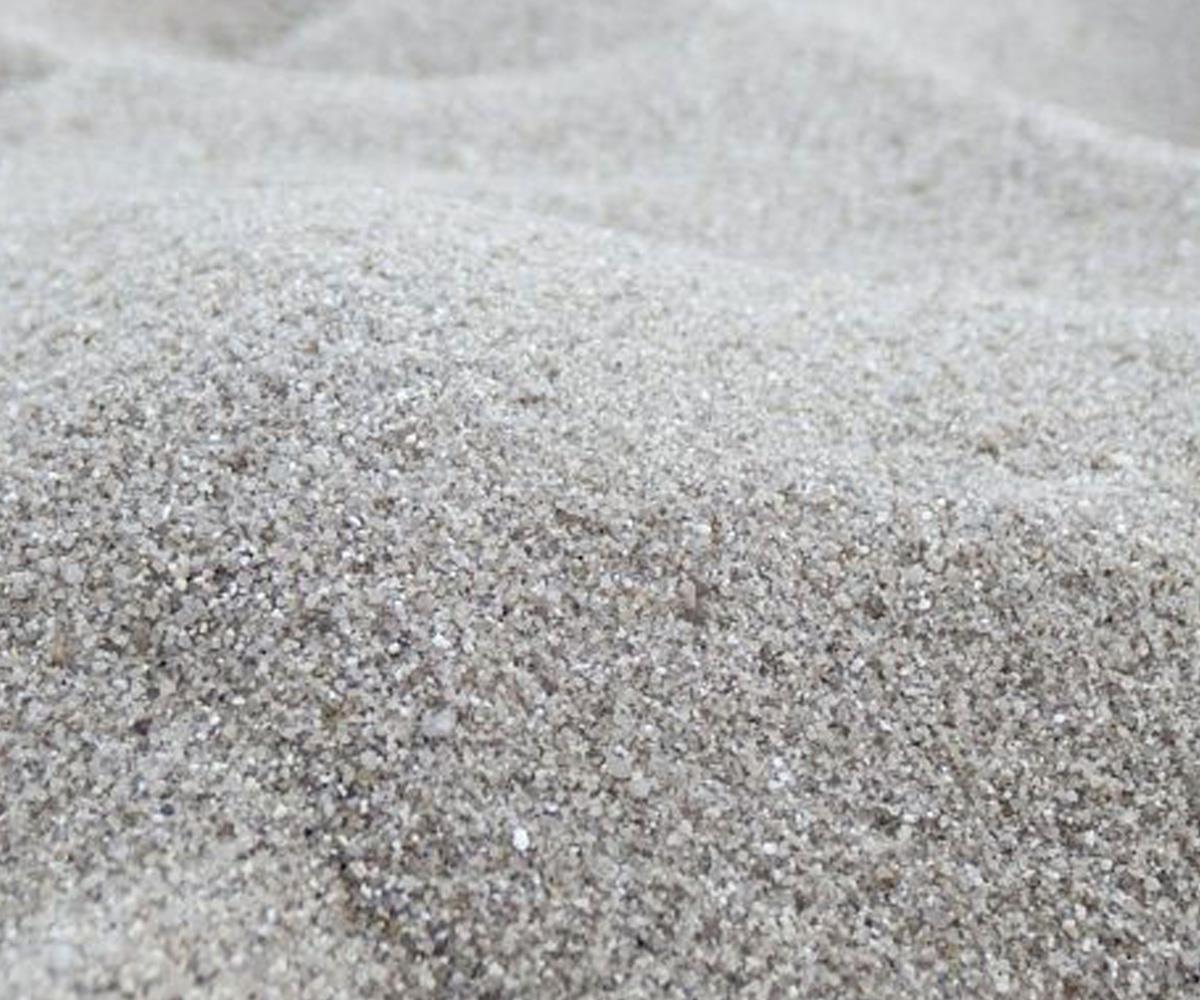
Specification:
- SiO2: 98.5% minimum (often 99%+)
- Fe2O3: < 0.015% (critical for glass clarity)
- Al2O3: < 0.5%
- Particle size: 0.1-0.6 mm (varies by glass type)
Grades by Glass Type:
- Float glass: SiO2 99.0%+, Fe2O3 0.010%, Particle Size 0.1-0.5 mm
- Container glass: SiO2 98.5%+, Fe2O3 0.015%, Particle Size 0.2-0.6 mm
- Specialty glass: SiO2 99.5%+, Fe2O3 0.005%, Particle Size 0.1-0.3 mm
Read more about silica sand for glass production.
Foundry Grade Silica Sand
Specification:
- SiO2: 96-99%
- AFS Grain Fineness: 40-90 (application dependent)
- Thermal expansion: low
- Clay content: < 1%
Grades by Casting Type:
- Green sand: AFS 50-70, General iron/steel casting
- Croning (shell): AFS 55-75, Automotive parts
- No-bake: AFS 50-65, Large industrial castings
- Investment: AFS 80-100, Precision components
Filtration Grade Silica Sand
Specification:
- SiO2: 98%+
- Uniformity coefficient: < 1.5
- Roundness: high
- Acid solubility: < 5%
Grades by Application:
- Drinking water: Particle Size 0.5-1.0 mm, Uniformity < 1.4
- Wastewater: Particle Size 1.0-2.0 mm, Uniformity < 1.5
- Swimming pools: Particle Size 0.4-0.8 mm, Uniformity < 1.3
- Industrial filtration: Particle Size 1.0-3.0 mm, Uniformity < 1.6
Construction Grade Silica Sand
Specification:
- SiO2: 95%+
- Particle size: varies by application
- Fines content: controlled
- Moisture: < 5%
Grades:
- Concrete: SiO2 95%+, Particle Size 0-4 mm, Key Property: Strength
- Mortar: SiO2 95%+, Particle Size 0-2 mm, Key Property: Workability
- Plaster: SiO2 96%+, Particle Size 0-1 mm, Key Property: Finish
- Screed: SiO2 95%+, Particle Size 0-4 mm, Key Property: Levelness
How to Choose the Right Silica Sand Grade
Step 1: Identify Your Application
The first consideration is what you are producing or constructing. Each application has specific requirements:
- Glass manufacturing requires ultra-high purity with minimal iron
- Construction prioritises particle size and structural properties
- Filtration demands uniform particle size and chemical inertness
- Foundry needs specific grain fineness and thermal properties
Step 2: Check Required Specifications
Once the application is identified, review the technical specifications:
- SiO2 content (purity)
- Fe2O3 content (iron — critical for glass)
- Particle size distribution
- Uniformity coefficient
- Moisture content
Step 3: Request Samples
Always request samples before placing bulk orders. Test for:
- Consistency of particle size
- Visual appearance (colour, cleanliness)
- Performance in your specific application
Step 4: Verify Certifications
Ensure your supplier provides:
- Certificate of Analysis (COA)
- ISO 9001 certification
- EN 12904 or relevant standard compliance
- Material Safety Data Sheet (MSDS)
Silica Sand Quality Testing
Particle Size Analysis
The most fundamental test for silica sand grading:
- Sieve analysis — passes sand through a stack of sieves with decreasing mesh sizes
- Laser diffraction — modern method for precise size distribution
- Result: Particle size distribution curve showing percentage passing each sieve
Chemical Analysis
- XRF (X-ray Fluorescence) — determines SiO2, Fe2O3, Al2O3, and other oxide content
- ICP (Inductively Coupled Plasma) — trace element analysis
- Acid digestion — measures carbonate content
Physical Testing
- Roundness/sphericity — affects flow and packing
- Mohs hardness — silica sand scores 7 on Mohs scale
- Thermal stability — critical for foundry applications
- Acid solubility — important for filtration applications
Common Silica Sand Grade Mistakes
1. Using Construction Grade for Glass Production
Construction grade silica sand contains higher iron levels (Fe2O3 > 0.1%) which causes discolouration in glass. Always use glass grade with Fe2O3 < 0.015%.
2. Over-Specifying Purity
Using 99.5% SiO2 sand where 95% is sufficient wastes money. Match the grade to actual requirements.
3. Ignoring Particle Size Distribution
Two sands with the same average particle size can behave differently if their size distribution varies. Always request full sieve analysis data.
4. Not Testing Before Bulk Orders
Laboratory specifications don’t always predict real-world performance. Always test samples in your actual application before committing to large volumes.
5. Assuming All Suppliers Are Equal
Quality varies significantly between suppliers. Request COAs, verify certifications, and conduct independent testing.
Silica Sand Storage and Handling
Storage Requirements
- Store in dry, covered conditions to prevent moisture absorption
- Keep different grades separated to avoid cross-contamination
- Use clean, non-reactive storage containers
- Label clearly with grade and date of receipt
Handling Precautions
- Silica dust is a respiratory hazard — use appropriate PPE
- Ensure adequate ventilation in enclosed handling areas
- Follow COSHH (Control of Substances Hazardous to Health) regulations
- Use wet handling methods where possible to reduce dust
Shelf Life
Silica sand has an indefinite shelf life when stored properly. However, moisture absorption can affect performance, so test moisture content before use in critical applications.
European Silica Sand Standards
EN 12904:2005
European standard for aggregates for concrete, mortar, and grout. Specifies:
- Particle size distribution requirements
- Fines content limits
- Physical property requirements
- Testing procedures
BS EN 12620:2008
Aggregates for concrete. Covers:
- Coarse and fine aggregate specifications
- Grading requirements
- Physical and chemical properties
ISO 9001:2015
Quality management system certification. Ensures:
- Consistent production processes
- Documented quality control
- Continuous improvement
- Traceability
Frequently Asked Questions
What is the most common silica sand grade?
The most commonly used silica sand grade is medium grade (0-2 mm) for general construction applications. For industrial use, glass grade (0.1-0.5 mm, SiO2 99%+) is the highest-volume grade.
How do I know which silica sand grade I need?
Identify your application first, then check the required specifications for that application. Contact your supplier with your specific requirements — they can recommend the appropriate grade.
What is the difference between silica sand grades?
The main differences are particle size distribution, purity (SiO2 content), and iron content (Fe2O3). Different applications require different combinations of these properties.
Can I use any silica sand grade for construction?
No. Construction applications require specific particle sizes and purity levels. Using the wrong grade can affect structural integrity, workability, and durability.
What SiO2 content is required for glass grade silica sand?
Glass grade silica sand requires SiO2 content of 98.5% minimum, with Fe2O3 content below 0.015%. Float glass requires even higher purity (99%+ SiO2, < 0.010% Fe2O3).
How is silica sand graded?
Silica sand is graded by particle size distribution using sieve analysis (European standards) or AFS grain fineness number (foundry industry). Chemical analysis determines purity grades.
Related Articles
- Silica Sand for Glass Production: Specifications & Grades — Detailed guide for glass manufacturers
- Silica Sand vs Play Sand: What’s the Difference? — Understanding the differences between industrial and recreational sand
Get Expert Advice on Silica Sand Grades
Choosing the right silica sand grade is critical for your project’s success. Our technical team can help you select the optimal grade for your specific application. Contact us today for technical support and product recommendations.