
Rock salt chemical purity is the single most important metric we discuss with our clients at Sama United before a single ton of material leaves the mine. To the untrained eye, salt might seem like a simple, uniform mineral. However, in the world of heavy industry, gourmet food production, and chemical engineering, “salt is never just salt.” The mineral profile of rock salt varies wildly depending on its geographic origin, the geological age of the deposit, and the extraction methods used.
As experts at Sama United, we understand that our partners aren’t just buying a seasoning; they are buying a chemical reagent. A small shift in magnesium levels or a trace amount of iron can change the entire outcome of a manufacturing process. In this comprehensive guide, we will pull back the curtain on the geological diversity of salt, comparing the mineral content of various global sources and explaining how Sama United ensures you receive the exact chemical profile your business demands.
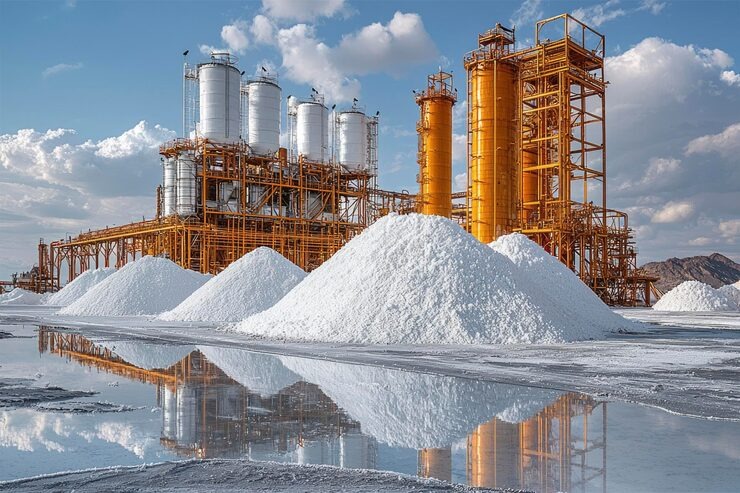
Rock salt chemical purity: Comparing the Mineral Content of Different Rock Salt Sources
1. Beyond Sodium Chloride: What Else Is in Your Salt?
While the primary component of all rock salt is Sodium Chloride (NaCl), it is the remaining “trace minerals” that define its character and industrial utility. Rock salt chemical purity typically refers to the percentage of NaCl, but as we often tell our clients at Sama United, the real story is in the 1% to 3% that isn’t salt.
Common trace elements found in rock salt include:
-
Magnesium and Calcium: The “hardness” minerals that affect solubility and chemical reactivity.
-
Potassium: Often found in ancient sea deposits.
-
Sulfates: Critical for the chlor-alkali industry.
-
Iron and Copper: Elements that can cause discoloration in textiles and plastics.
-
Insoluble Matter: Tiny particles of clay, sand, or gypsum that don’t dissolve in water.
2. The Geographic Factor: How Origins Shape Mineral Profiles
Salt is a record of the earth’s history. At Sama United, we source from several key regions, each offering a distinct mineral “fingerprint.”
The Mediterranean Basin
Salt from the Mediterranean region, often harvested through solar evaporation of ancient brines, is known for its high mineral complexity. While it boasts a high rock salt chemical purity, it often contains healthy levels of magnesium and potassium, making it a favorite for the gourmet food industry and spa sectors.
The Himalayan Foothills
Famous for its pink hue, Himalayan rock salt is rich in iron oxide. While aesthetically pleasing and popular in the wellness industry, its high level of trace minerals makes it less suitable for certain industrial chemical processes where ultra-pure NaCl is required.
Middle Eastern and North African Deposits
These regions often provide some of the highest-purity industrial rock salt in the world. Deposits here are frequently massive and very “clean,” meaning they have low levels of sulfates and heavy metals. Sama United leverages these sources for our heavy industry clients who require maximum chemical stability.
3. Breaking Down the Key Trace Minerals
At Sama United, we believe our clients should understand exactly what they are putting into their production lines. Let’s look at the three most influential trace minerals:
-
Magnesium (Mg): In the textile industry, magnesium is a “poison.” It can interfere with dye bonding. However, in the health and wellness sector, magnesium-rich salt is highly prized.
-
Calcium (Ca): High calcium levels in rock salt can lead to “scaling” in industrial boilers and pipes. Sama United provides refined grades that minimize calcium to protect your infrastructure.
-
Sulfates (
SO4): For the plastics and chlor-alkali industries, sulfates are a major concern. They can damage the expensive membranes used in electrolysis. Choosing a source with low sulfate content is essential for energy efficiency.
4. The Industrial Impact of Impurities
Why does Sama United spend so much time on mineral analysis? Because the cost of an “impure” source is measured in lost revenue.
In Textile Dyeing, iron impurities can cause dark spots on fabric. In Water Treatment, high levels of insoluble matter (sand/clay) can clog expensive filtration systems. In Chemical Manufacturing, every 0.1% shift in rock salt chemical purity can change the electrical resistance of a brine solution, leading to thousands of dollars in extra electricity costs. We act as your quality gatekeepers, ensuring the mineral content matches your machine’s “ideal” profile.
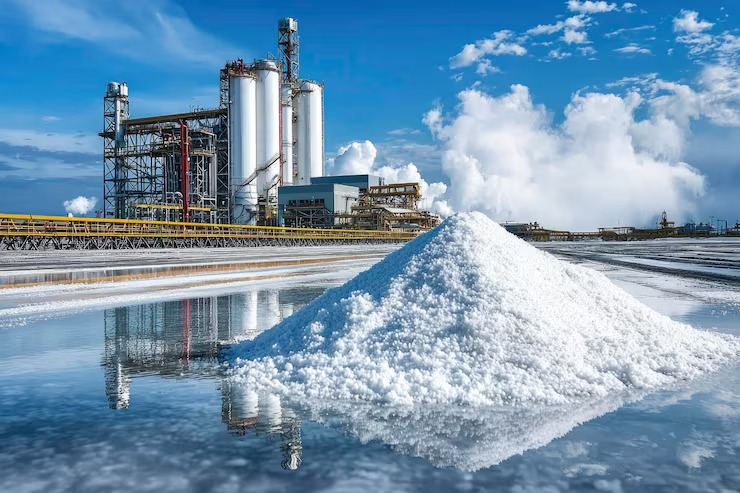
Rock salt chemical purity: Comparing the Mineral Content of Different Rock Salt Sources
5. Rock Salt vs. Solar Sea Salt: A Mineral Comparison
We are often asked about the difference between mined rock salt and solar sea salt.
-
Rock Salt: Generally has a more “stable” mineral profile because it comes from a protected underground seam. It is often denser and dissolves more slowly, which is ideal for de-icing and certain industrial processes.
-
Solar Sea Salt: Can have a slightly higher moisture content and a more diverse range of minerals from the modern ocean.
Sama United offers both, but we guide our clients based on their specific needs. For high-volume infrastructure, rock salt is often the economic winner. For precision chemistry, a highly refined solar salt might be the better choice.
6. The Sama United Standard: Ensuring Purity through Analysis
We don’t just take the mine’s word for it. Every shipment that Sama United handles undergoes a rigorous “Certificate of Analysis” (CoA) process.
We test for:
-
NaCl Percentage: The core of rock salt chemical purity.
-
Moisture Content: To ensure you aren’t paying for water weight.
-
Grain Size (Granulometry): Ensuring the salt dissolves at the correct rate for your equipment.
-
Full Trace Mineral Breakdown: Giving you a complete map of the magnesium, calcium, and sulfate levels.
7. How to Choose the Right Source for Your Specific Needs
Navigating these mineral differences can be overwhelming. That is where the Sama United consultancy comes in.
-
For De-icing: You need high bulk density and specific grain sizes, but ultra-high chemical purity is less critical.
-
For Soap Making: You need salt that is free from heavy metals to ensure a clear, high-quality final product.
-
For PVC and Plastics: Only the highest rock salt chemical purity will do to protect your electrolytic cells.
8. The Economic Value of High Purity
There is a common misconception that buying the “cheapest” salt is a smart move. At Sama United, we show our clients the “Total Cost of Ownership.”
If you buy a lower-purity salt, you will spend more money on:
-
Purification Chemicals: To remove the impurities yourself.
-
Maintenance: To clean clogged pipes and filters.
-
Energy: Because impure brine requires more power to process.
Investing in the right mineral profile from the start is almost always the most profitable decision.
9. Sustainability and Sourcing Responsibility
In 2025, the “story” of the salt matters as much as the salt itself. Sama United is committed to ethical sourcing. We work with mines and solar salt works that prioritize environmental protection and fair labor practices. Whether the salt comes from the Mediterranean or the Middle East, we ensure that the journey from the earth to your factory is transparent and responsible.
Rock salt chemical purity: Comparing the Mineral Content of Different Rock Salt Sources
10. Final Thoughts: Why Purity is Your Best Investment
In conclusion, rock salt chemical purity is a complex field that requires expert oversight. Salt is the foundation of modern industry, but it is a foundation that must be built on the right minerals. By understanding the differences between global sources, you can optimize your production, protect your machinery, and increase your profit margins.
At Sama United, we are more than just a supplier; we are your technical partner. We handle the geology, the chemistry, and the logistics so that you can focus on creating world-class products. We invite you to experience the difference that professional mineral analysis can make for your business.
Are you unsure which salt source is best for your application? Contact the experts at Sama United today for a detailed mineral consultation and a customized quote for your industrial needs.