
Industrial salt specifications are the first thing any procurement manager or chemical engineer looks at, yet they are often the most misunderstood part of the supply chain. At Sama United, we have seen that many businesses treat salt as a simple mineral that “just works.” However, when you are running a multi-million pound industrial plant, the specific chemical makeup of your salt isn’t just a detail—it is the difference between a high-yield production run and an expensive equipment failure.
In our years of experience at Sama United, we have learned that salt is effectively a chemical reagent in the industrial world. Whether it is used in textile dyeing, water softening, or the massive chlor-alkali sector, the “spec sheet” is your roadmap to success. In this guide, we will break down the essential industrial salt specifications, focusing on why Sodium Chloride (NaCl) content is the headline, but the tiny percentages of impurities are the real story.
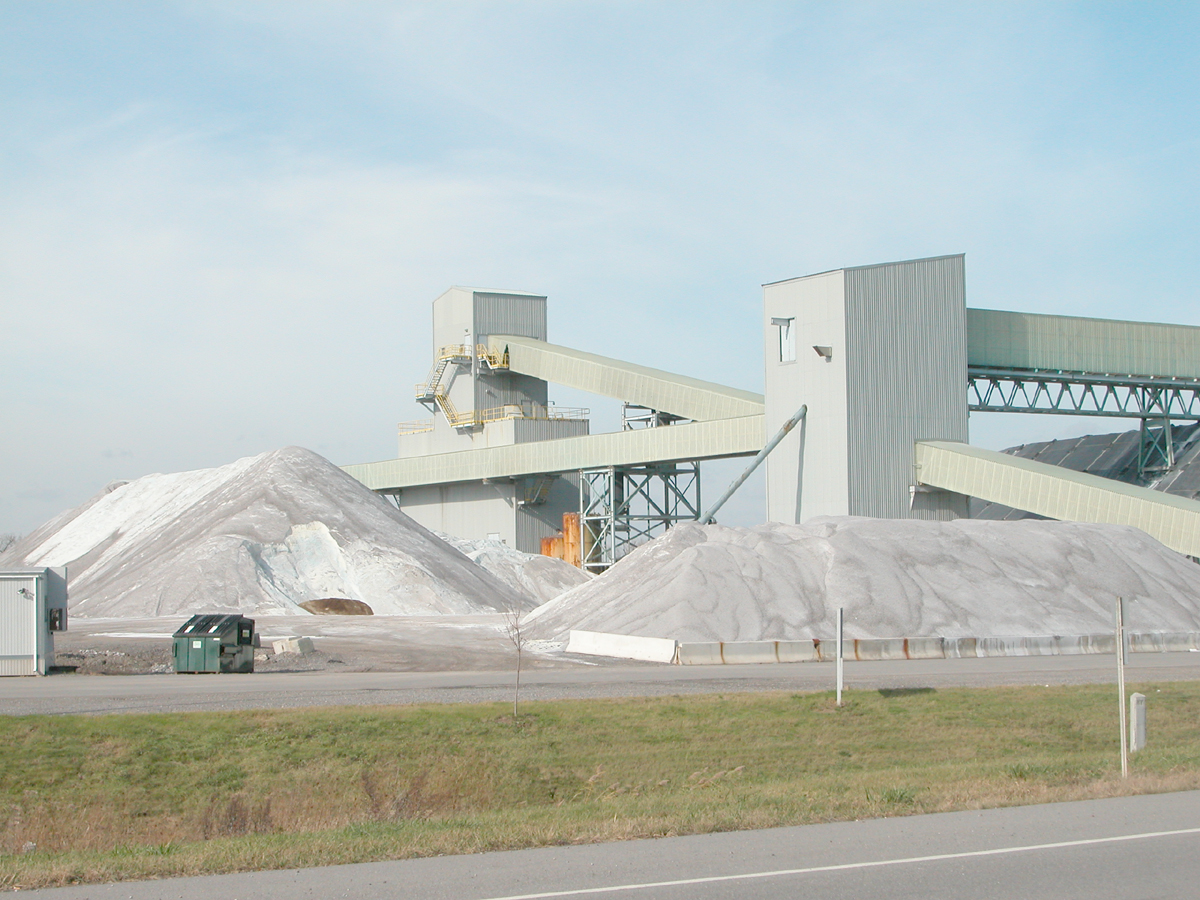
Industrial salt specifications: A Comprehensive Guide to NaCl Purity and the Impact of Impurities
The Foundation: Sodium Chloride (NaCl) Content
The most prominent feature of any industrial salt specifications document is the NaCl percentage. This number tells you the purity of the salt. In the industrial world, we generally look for a purity level of 98% to 99.9%.
At Sama United, we emphasize to our partners that “purity” is more than just a marketing term. For the chlor-alkali industry, where salt is split into chlorine and caustic soda through electrolysis, a high NaCl content is non-negotiable. Low purity means you are paying to ship and process “filler” material that doesn’t contribute to your final product. Higher NaCl content typically translates to better electrical conductivity in brine and fewer chemical side reactions.
The “Hidden” Disruptors: Understanding Impurities
While high NaCl is vital, the “minority ingredients” on the spec sheet are what keep industrial engineers awake at night. In our work at Sama United, we classify these impurities into four main categories, each with its own set of consequences.
1. Calcium and Magnesium (Water Hardness)
On most industrial salt specifications, you will see these listed in “ppm” (parts per million). These are the minerals that cause water hardness.
-
In Water Softening: If the salt used to regenerate the resin is high in calcium and magnesium, it defeats the purpose of the softener.
-
In Textiles: High calcium can interfere with the dye’s ability to bond with the fabric, leading to “spotting” or uneven colors.
-
The Sama United Standard: We provide salt with ultra-low hardness profiles, specifically for industries where mineral buildup can ruin delicate chemical balances.
2. Sulfates (
SO4)
Sulfate is another critical impurity to monitor. In electrolytic cells, high sulfate levels can damage the anodes, leading to a loss of efficiency and a shorter lifespan for very expensive components. When Sama United consults with industrial plants, we look at the “Sulfate-to-Chloride” ratio to ensure that the brine remains stable during the high-voltage electrolysis process.
3. Insoluble Matter
This refers to everything that doesn’t dissolve in water—usually sand, silt, or tiny rock particles.
-
Equipment Damage: Insolubles are the “grit” that wears down pumps, clogs filters, and settles at the bottom of expensive storage tanks.
-
Maintenance Costs: A salt with 0.5% insolubles might seem okay, but if you are using 1,000 tons a month, that is 5 tons of sand sitting in your tanks.
At Sama United, our refining process involves multiple washing and filtration stages to keep insolubles as close to zero as possible.
4. Heavy Metals (Iron, Copper, Lead)
While found in tiny amounts, heavy metals can “poison” chemical reactions. In the plastics and resin industries, trace iron can cause discoloration, turning a clear product into a dull yellow. Sama United ensures that our industrial salt specifications meet strict safety and technical guidelines regarding metal content to protect the aesthetic and structural quality of your products.
The Role of Moisture Content
A spec sheet that ignores moisture is incomplete. Moisture affects two things: your wallet and your logistics.
-
The “Weight” Factor: If you buy 100 tons of salt with 3% moisture, you are essentially paying for 3 tons of water.
-
Flowability: High moisture leads to “clumping” or “caking.” In automated systems where salt is moved through silos and screw conveyors, clumped salt can cause a total system shutdown.
At Sama United, we provide kiln-dried or vacuum-dried salt that stays free-flowing, ensuring that your production lines move smoothly without the need for manual intervention.

Industrial salt specifications: A Comprehensive Guide to NaCl Purity and the Impact of Impurities
Granulometry: Why Grain Size is Functional
Industrial salt specifications always include a “sieve analysis” or grain size range. This is because the surface area of the salt crystal determines how fast it dissolves.
-
Fine Salt: Best for applications where you need an instant brine or even distribution, such as in fine chemical mixing.
-
Coarse Salt: Ideal for slow-dissolving applications, such as in certain water treatment systems or de-icing, where you need the salt to last longer.
-
The Sama United Expertise: We help our clients choose the right granulometry to match their specific “dissolving rate” requirements, optimizing their energy and time usage.
How to Read a Certificate of Analysis (CoA)
When you partner with Sama United, every shipment is accompanied by a Certificate of Analysis (CoA). This is the document that proves the salt matches the industrial salt specifications we agreed upon.
Reading a CoA can be daunting, but as an industrial partner, you should focus on the “Actual” vs. “Target” columns. Our team at Sama United walks our clients through these reports, explaining how a slight shift in moisture or a tiny increase in sulfate might affect their specific process. This level of transparency is what builds long-term trust in industrial sourcing.
Application-Specific Specs: One Size Does Not Fit All
At Sama United, we categorize our inventory based on the final use, because a “good” spec for one industry might be a “bad” spec for another:
-
Dyeing & Textiles: Requires low calcium and zero heavy metals to protect the vibrant shades of the fabric.
-
Chemical/Chlor-Alkali: Demands the highest NaCl (99.5%+) and ultra-low sulfates to protect the electrolytic membranes.
-
Water Treatment: Focuses on high solubility and low insolubles to protect the resin beads from fouling.
-
Oil & Gas: Often requires a specific grain size and density for use in drilling muds.
The Sama United Quality Assurance Process
How do we ensure that our salt always meets the industrial salt specifications? It starts at the source. We prioritize salt harvested through solar evaporation in clean environments, which is then processed in high-tech refineries.
We conduct regular testing for:
-
Solubility speed.
-
Crystal density.
-
pH levels of the resulting brine.
By the time the salt reaches a Sama United bag, it has been vetted for the specific pressures of heavy industry.
Why Choosing the Right Spec Saves Money Long-Term
Procurement teams are often pressured to buy the cheapest salt available. However, a “cheap” salt with poor industrial salt specifications is a trap.
-
Increased Chemical Use: If your salt is impure, you have to use more chemicals (like soda ash) to purify the brine before use.
-
Energy Waste: Impure salt increases the electrical resistance in many chemical processes, leading to higher energy bills.
-
Maintenance Downtime: Frequent cleaning of tanks and replacement of clogged filters can cost ten times more than the “savings” from buying low-quality salt.
At Sama United, we help you calculate the “Total Cost of Ownership,” showing you how a slightly more expensive, higher-purity salt actually saves you thousands of pounds in operational costs.
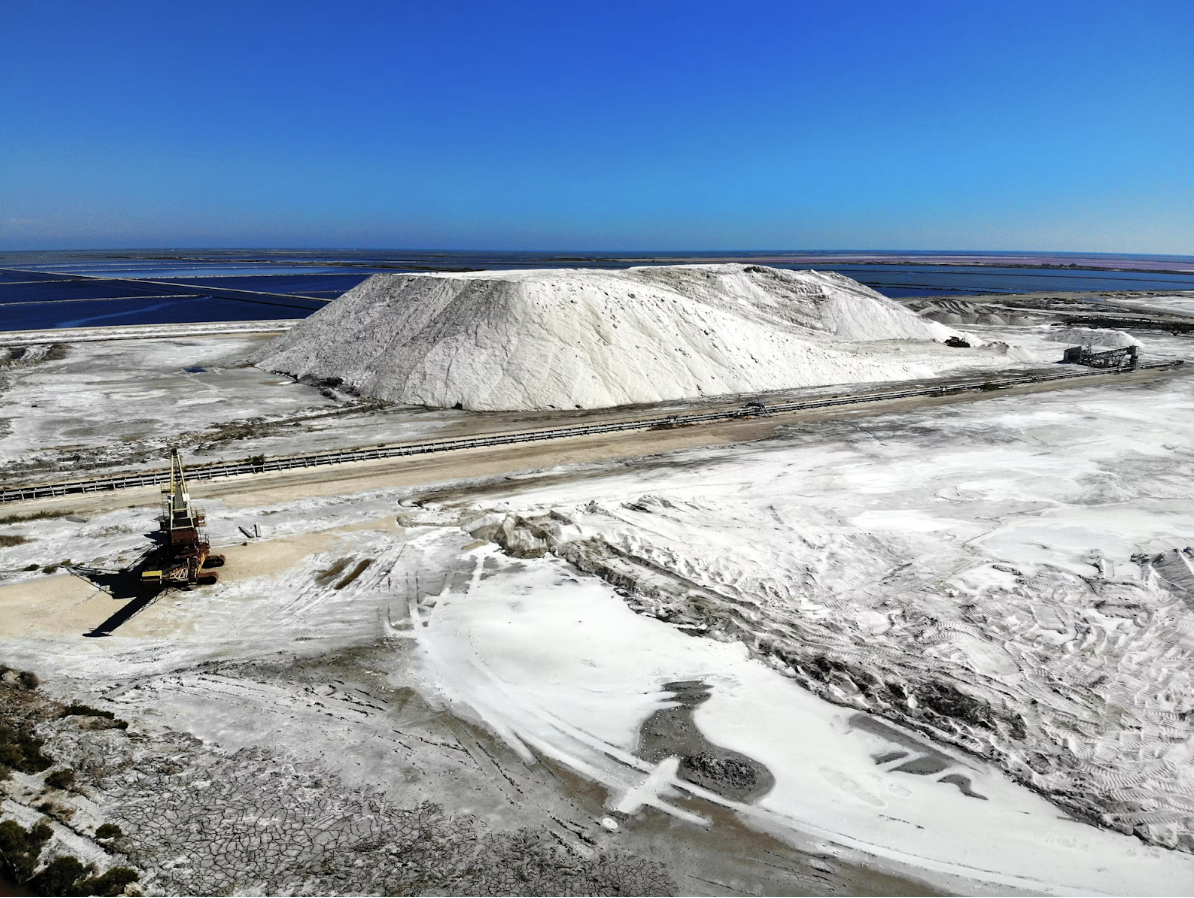
Industrial salt specifications: A Comprehensive Guide to NaCl Purity and the Impact of Impurities
Conclusion Industrial salt specifications : Precision Sourcing with Sama United
In the world of heavy industry, industrial salt specifications are the foundation of your quality control. Salt is the silent worker that keeps your production lines running, your colors bright, and your water soft. But it only works if the chemistry is right.
At Sama United Industrial salt specifications , we pride ourselves on our technical expertise. We don’t just ship salt; we provide a chemical solution that is tailored to your machines and your goals. We understand the nuances of NaCl, the dangers of impurities, and the importance of a reliable supply chain. Let us take the guesswork out of your procurement.
Do you need help decoding a spec sheet or finding the right salt for your machinery? Contact the experts at Sama United today for a detailed consultation and a quote that matches your exact technical needs.